
Old Fashioned Coconut Cake Recipe
Some of the links in this post are affiliate links. This means if you click on the link and purchase the item, I will receive an affiliate commission at no extra cost to you. All opinions remain my own.
As an Amazon Associate I earn from qualifying purchases.
Last Updated on May 5, 2026 by Heidi Bruaw
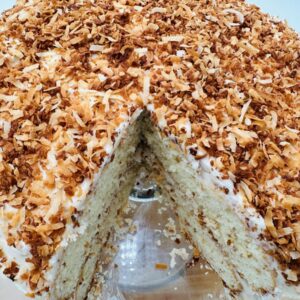
Coconut always makes me think of Easter. The smell of coconut and vanilla baking in the oven instantly brings back memories of spring desserts and family gatherings around the table. This old-fashioned coconut cake has that same cozy charm, with soft layers and just enough coconut to make every bite feel like a little celebration.

Coconut cake has been showing up in American kitchens for more than a hundred years, especially in the South, where it became a favorite for holidays and Sunday dinners. Since coconut had to travel a long way to reach home bakers, it was once considered a pretty special ingredient. Cakes like this one kept that tradition going, turning simple pantry staples into something that still feels perfect for Easter.
Quick Facts
- Flavor: Light, buttery cake with a gentle coconut flavor and a hint of vanilla.
- Texture: Soft, tender crumb with small bits of shredded coconut throughout.
- Origin: Coconut cake became popular in the United States in the late 1800s, especially in Southern kitchens.
- Why It Was Special: Coconut used to be considered a luxury ingredient because it had to be shipped long distances.
- Pan Size: This recipe makes two 9-inch round cake layers.
- Bake Time: About 25 minutes at 375°F.
- Skill Level: Beginner-friendly with simple pantry ingredients.
- Serving Idea: Frost with your favorite buttercream or a classic coconut frosting.
- Occasions: A natural fit for Easter, spring gatherings, and family celebrations.
- Make-Ahead Tip: Bake the cake layers a day in advance and frost the next day for easy serving.
Why You’ll Love this Recipe
Flavor Combination: The combination of butter, sugar, and vanilla creates a rich and buttery flavor base. The addition of shredded coconut enhances this base with a sweet and nutty taste, providing a delightful tropical twist.
Aroma and Essence: Vanilla serves as a flavor enhancer, adding a fragrant and aromatic essence to the cake. The combination of vanilla and coconut creates an aroma that is both inviting and comforting.
Nostalgia and Tradition: Coconut Cake, made with these classic ingredients, often carries a sense of nostalgia and tradition. Many people grew up enjoying coconut cakes made by family members or experienced them at gatherings and celebrations, creating a sentimental attachment to the recipe.
Ingredients You Will Need

- Butter: Provides richness, moisture, and flavor to the cake. It contributes to the overall tender and soft texture.
- Sugar: Sweetens the cake, enhancing its flavor. Sugar also plays a role in tenderizing the cake and creating a moist crumb.
- Eggs: Act as a binding agent, providing structure to the cake. Eggs also contribute to the cake’s moisture and help in leavening.
- Cake Flour: Contains less protein than all-purpose flour, resulting in a lighter and more delicate texture.
- Baking Powder: Acts as a leavening agent, helping the cake rise by producing carbon dioxide gas when combined with moisture and heat.
- Salt: Enhances the overall flavor of the cake by balancing sweetness and other flavors. It also strengthens the cake’s structure.
- Milk: Adds moisture and contributes to the tenderness of the cake. It also helps in creating a smooth batter.
- Vanilla: Enhances the flavor of the cake, providing a pleasant aroma and taste.
- Shredded Coconut: This is a key ingredient that not only imparts coconut flavor but also adds texture to the cake.
Helpful Tips
- Measure the flour carefully. Spoon the cake flour into your measuring cup and level it off with a knife instead of scooping directly from the bag. This keeps the cake from turning out heavy.
- Use unsweetened shredded coconut if you want a more balanced flavor. Sweetened coconut works too, but unsweetened keeps the cake from becoming overly sweet.
- If your coconut pieces are large, chop them slightly. Smaller pieces distribute more evenly through the batter and keep the texture consistent.
- Trim the tops if they dome. A serrated knife can level the layers so the cake stacks neatly and looks more polished.
- Add a coconut boost between the layers. Sprinkle a little shredded coconut over the frosting before placing the second layer on top.


Substitutions and Variations
All-Purpose Flour Substitute for Cake Flour:
For every cup of cake flour needed, take one cup of all-purpose flour and follow these steps:
- Measure: Scoop out one level cup of all-purpose flour.
- Remove: Remove two tablespoons of the all-purpose flour from the cup.
- Replace: Add two tablespoons of cornstarch back into the cup with the remaining all-purpose flour.
- Sift: Sift the mixture together at least 5-6 times to ensure thorough blending.
Coconut Extract:
- For a stronger coconut flavor, substitute coconut extract for vanilla extract.
Frosting:
- Cream cheese frosting is a classic choice, but variations include coconut cream cheese frosting or coconut-flavored buttercream.
- Some people prefer a lighter option with whipped cream or a coconut glaze.
Nuts and Fruits:
- Chopped nuts like pecans or almonds can be added for crunch.
- Dried fruits such as pineapple or mango can be incorporated for additional flavor and texture.


Frequently Asked Questions
How do I know when the cake is done baking? Use the toothpick test. Insert a toothpick into the center of the cake; if it comes out clean or with a few crumbs (not wet batter), the cake is done.
Why did my cake sink in the middle? Overmixing the batter or opening the oven door too early can cause the cake to sink. Follow mixing instructions and avoid opening the oven until the cake is almost done.
How can I prevent the cake from sticking to the pan? Grease and flour the cake pans or use parchment paper to ensure easy release. Allow the cake to cool slightly before attempting to remove it from the pan.
Can I make this cake ahead of time and freeze it? Yes, you can freeze Coconut Cake. Wrap it well in plastic wrap and store in an airtight container. Thaw in the refrigerator before serving.
Why is my cake dense and heavy? Several things could contribute to a dense and heavy cake, including overmixing the batter, using expired baking powder, or not incorporating enough air into the batter. Make sure to gently fold the ingredients together and avoid overmixing. Also, check the expiration date of your baking powder to make sure it’s fresh.
How can I prevent my shredded coconut from sinking to the bottom of the cake? To prevent shredded coconut from sinking, toss it in a bit of flour before adding it to the batter. This helps the coconut adhere to the batter and distribute more evenly throughout the cake.

Storage Tips
- Store covered at room temperature. If the cake is frosted with a buttercream-style frosting, keep it in a covered cake container at room temperature for up to 2 days.
- Refrigerate if the frosting is perishable. Cakes frosted with cream cheese or whipped frosting should be stored in the refrigerator and will keep well for about 4–5 days.
- Keep the cake well covered. Coconut cake can dry out if exposed to air, so use a cake dome, an airtight container, or tightly cover it with plastic wrap.
- Refrigerate individual slices. If you have leftover slices, wrap them individually and store them in an airtight container to keep them fresh.
- Freeze unfrosted layers. Wrap cooled cake layers tightly in plastic wrap and then foil before freezing for up to 3 months.
- Freeze frosted cake pieces. Place slices on a baking sheet to freeze until firm, then wrap and store in a freezer-safe container.
- Thaw at room temperature. Let frozen cake layers or slices sit at room temperature for about 1–2 hours before serving so the texture softens again.

What to Serve with Coconut Cake
Whipped Cream or Ice Cream: A dollop of lightly sweetened whipped cream or a scoop of coconut or vanilla ice cream adds a creamy element to balance the cake’s sweetness.
Coffee or Tea: Pair the Coconut Cake with a cup of coffee or tea. A tropical-flavored tea, such as coconut or hibiscus, goes well with coconut.
Champagne or Prosecco: Celebrate with a glass of champagne or prosecco for a sparkling and festive pairing.
Other Recipes You May Enjoy
If you like Coconut Cake, you might also like my Coconut Cream Pie or my Coconut Mousse. These Coconut Cookies and this Italian Easter Cake are also delicious.
Coconut Cake

Equipment
Ingredients
- ½ Cup Butter
- 1½ Cups Sugar
- 2 Eggs
- 3 Cups Cake Flour sifted
- 4 teaspoons Baking Powder
- ¼ teaspoon Salt
- 1 Cup Milk
- 1 teaspoon Vanilla
- ½ Cup Coconut shredded
Instructions
- Preheat oven to 375℉.
- Grease 2 9-inch round cake pans and set aside.
- Cream butter and sugar together.
- Add eggs, 1 at a time, beating after each one is added.
- Sift cake flour, baking powder, and salt together.
- Add flour mixture alternately with milk to butter mixture.
- Mix in vanilla.
- Stir in shredded coconut.
- Pour into greased pans.
- Bake at 375℉ for 25 minutes or until toothpick inserted in center comes out clean.
- Cool in the pans for 5 to 10 minutes and then remove from the pans and cool on wire rack.
- Once cooled completely, fill and frost with your frosting of choice.
Notes
- Measure the flour carefully. Spoon the cake flour into your measuring cup and level it off with a knife instead of scooping directly from the bag. This keeps the cake from turning out heavy.
- Use unsweetened shredded coconut if you want a more balanced flavor. Sweetened coconut works too, but unsweetened keeps the cake from becoming overly sweet.
- If your coconut pieces are large, chop them slightly. Smaller pieces distribute more evenly through the batter and keep the texture consistent.
- Trim the tops if they dome. A serrated knife can level the layers so the cake stacks neatly and looks more polished.
- Add a coconut boost between the layers. Sprinkle a little shredded coconut over the frosting before placing the second layer on top.

Amazon and the Amazon logo are trademarks of Amazon.com, Inc, or its affiliates.


Can’t wait to try making this…I think the glass of Prosecco is a must!
I agree! 🙂 I hope you love it! 🙂
making for Sister. It’s her Fav
How fun! I’m sure she will love it! 🙂