Old-Fashioned Swiss Steak Recipe with Tomato Sauce
Some of the links in this post are affiliate links. This means if you click on the link and purchase the item, I will receive an affiliate commission at no extra cost to you. All opinions remain my own.
As an Amazon Associate I earn from qualifying purchases.
Last Updated on August 16, 2026 by Heidi Bruaw
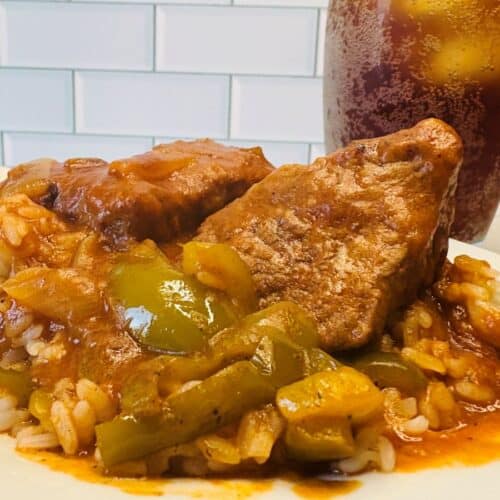
A recipe has staying power when it’s still worth making decades later. This one comes from a cookbook published after the war ended, when families were adjusting to peacetime kitchens, and cooks were still leaning on smart, budget-friendly ways to turn tough, inexpensive cuts of meat into something the whole family would want to eat. Swiss Steak was one of the solutions, and it’s been a family favorite ever since.
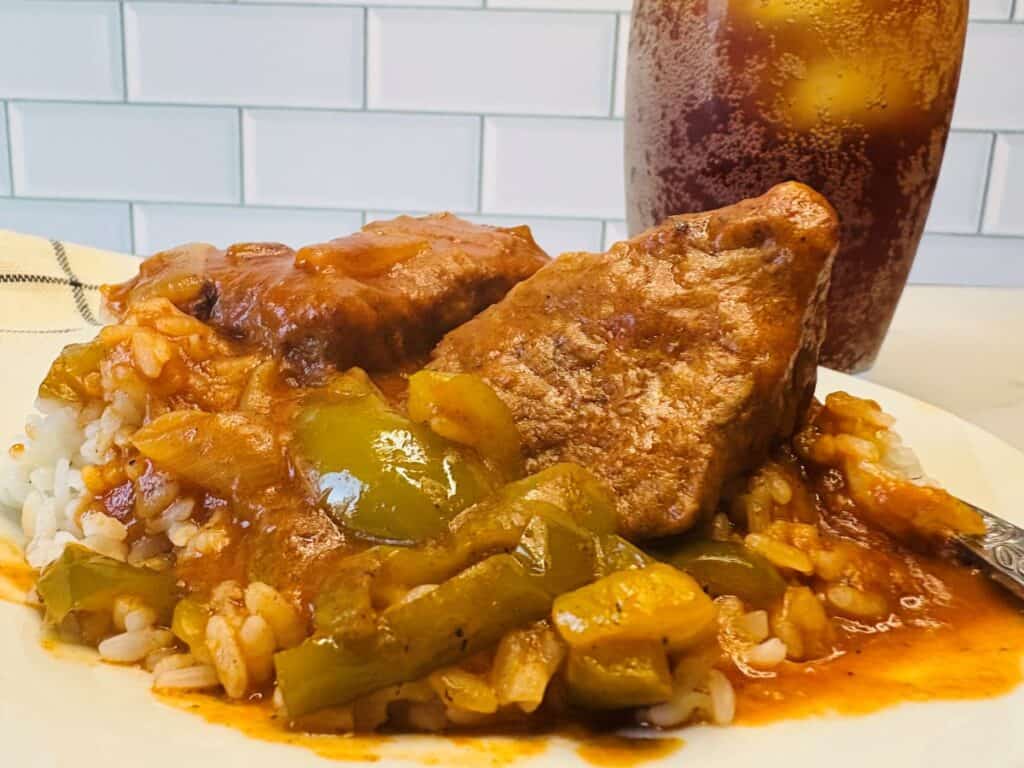
Here’s a fun fact for you: Swiss Steak has nothing to do with Switzerland. The name actually comes from “swissing,” an old term for pounding or rolling fabric to make it smoother, and that’s what happens to the meat in this recipe. You tenderize a tough cut by pounding flour right into it, then let it simmer low and slow until it’s fall-apart tender in a rich tomato sauce.
Quick Facts
- What is Swiss Steak? A braised beef dish made by pounding flour into a tough cut of meat, then simmering it low and slow in tomato sauce until fork-tender.
- Origin: Popularized in American home cooking, with this version coming from a post-WWII cookbook.
- Why “Swiss”? It’s not Swiss at all. The name comes from “swissing,” a fabric-making term for pounding and rolling material smooth, which describes the tenderizing technique used here.
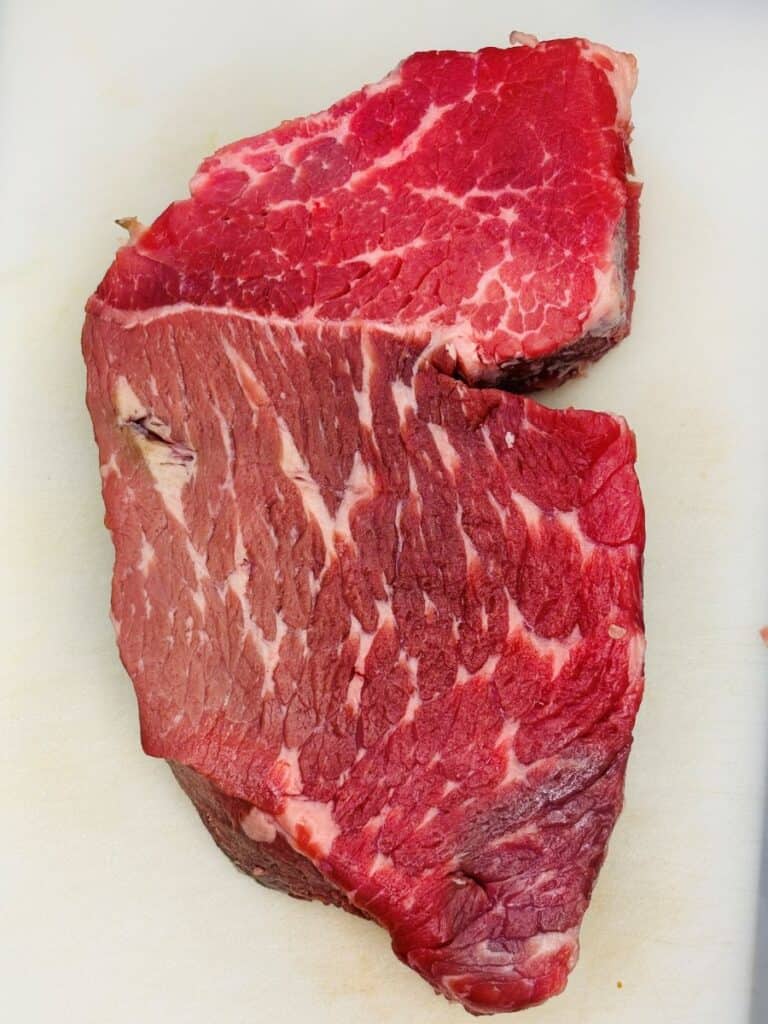
- Best cut of meat: Rump roast, though round steak works well too.
- Cook time: About 2 hours, mostly hands-off simmering.
- Cooking method: Stovetop braise
- Serving suggestions: Mashed potatoes, egg noodles, or rice to soak up the tomato sauce.
- Dietary notes: Naturally dairy-free if you swap the butter for oil; gluten-free with a 1:1 flour substitute.
What Each Ingredient Does
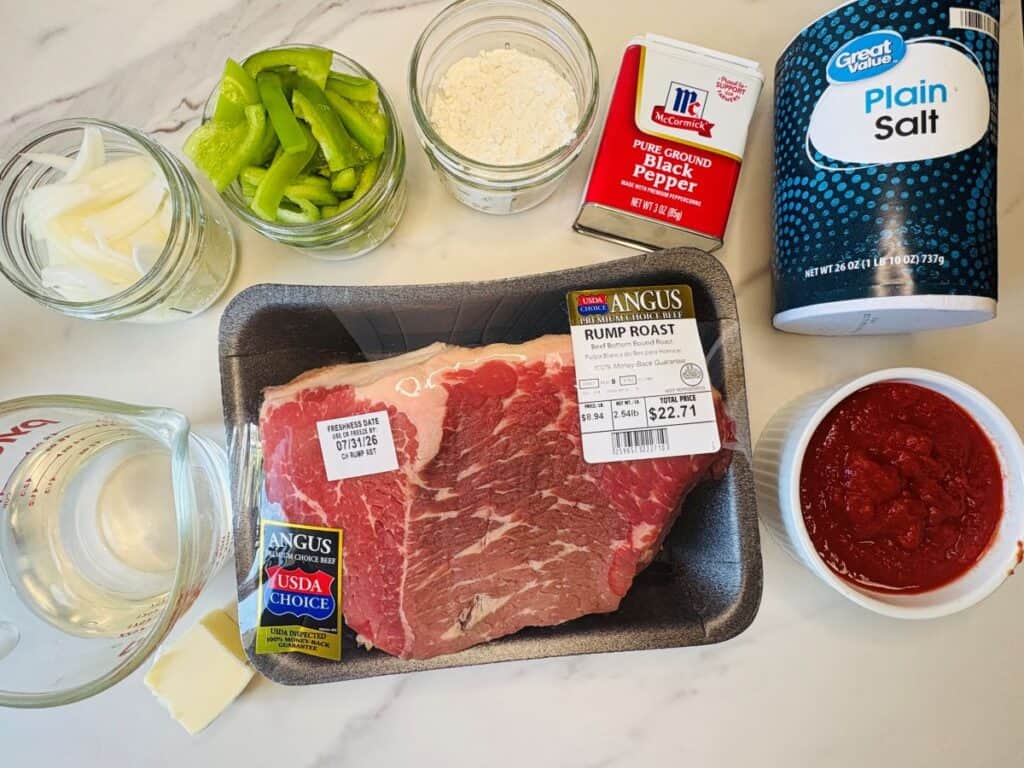
- Flour – This is the secret to the whole recipe. Pounding flour into the meat helps break down tough fibers, creates a light crust when browned, and later thickens the tomato sauce as it simmers.
- Salt and Pepper – Simple, but they season the meat from the inside out since they’re worked into the flour before it’s pounded in, not just sprinkled on top.
- Rump Roast – A tough, budget-friendly cut that becomes tender through pounding and slow braising. This is exactly the kind of cut Swiss Steak was invented for.
- Butter – Used to brown the meat and build flavor. That browned crust (and the bits left in the pan) is where a lot of the dish’s richness comes from.
- Onion – Adds sweetness and depth as it softens into the sauce during the long simmer.
- Green Pepper – Brings a little freshness and mild bite that balances the richness of the meat and sauce.
- Boiling Water – Helps deglaze the pan and creates the braising liquid that keeps the meat moist over the long cook time.
- Tomato Sauce – The base of the braising liquid. It tenderizes the meat as it simmers and turns into a rich, slightly tangy sauce.
Tips for Success
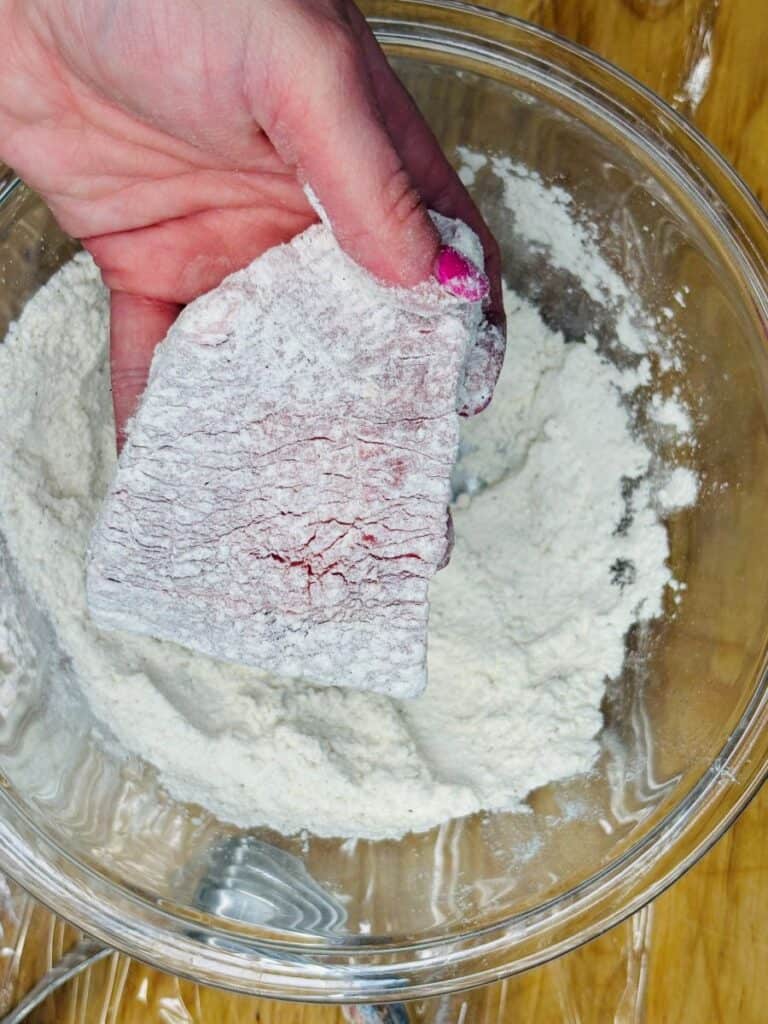
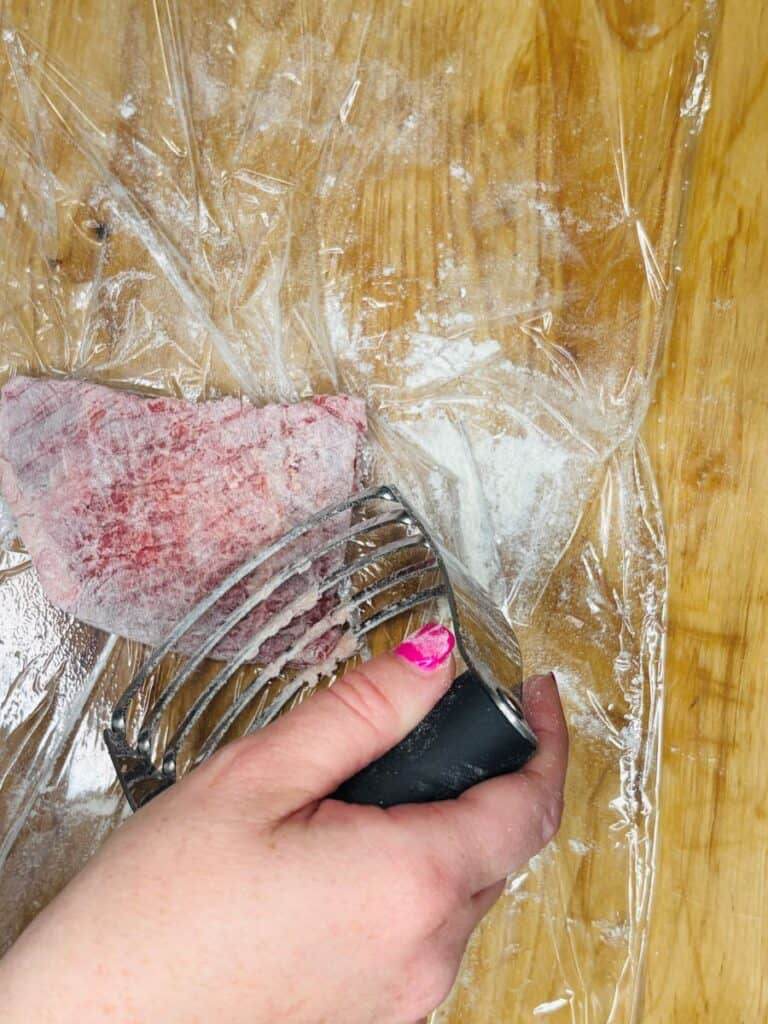
- Pound the flour in; don’t just coat it. Really work the flour into the meat with the edge of a mallet or a potato masher. This is what tenderizes the meat and helps it soak up all that flavor as it cooks.
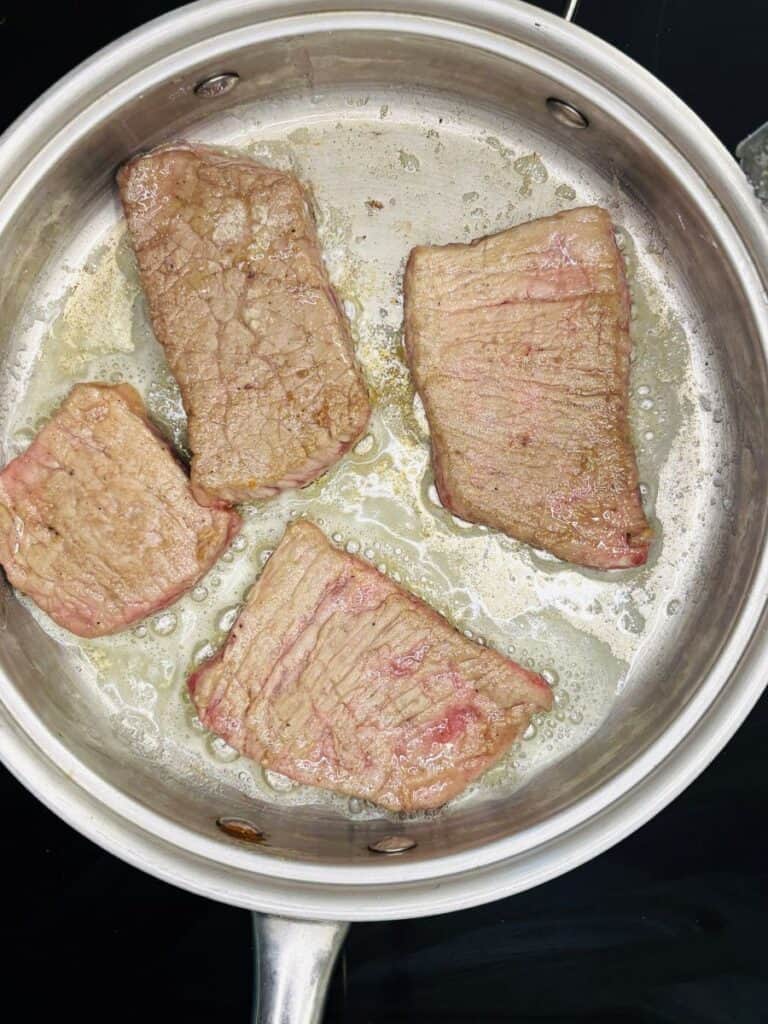
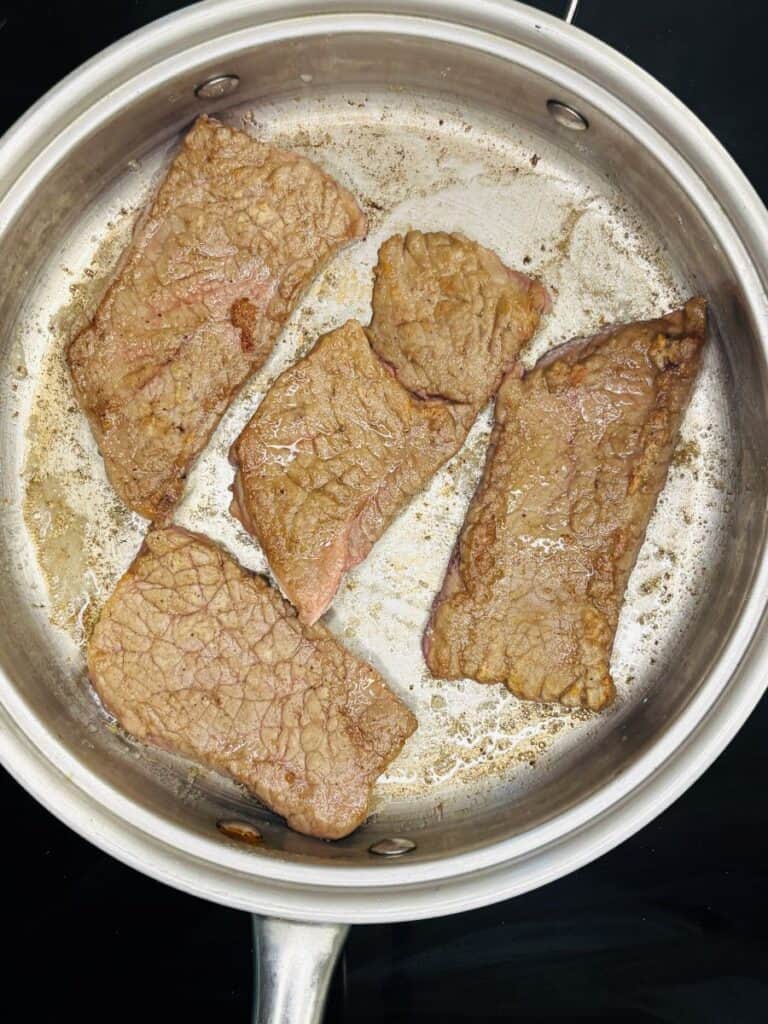
- Don’t skip the browning step. Searing the meat in butter before it simmers builds a deeper, richer flavor in the final sauce. Give it a solid 2 to 3 minutes per side.
- Low and slow is the whole point. Keep the heat at a gentle simmer, not a boil. A rolling boil will toughen the meat instead of tenderizing it.
- Check your liquid halfway through. If the sauce looks like it’s reducing too much, add a splash of water or broth so the meat stays fully covered and doesn’t dry out.
- Use a heavy pot with a tight-fitting lid. A Dutch oven works best here. It holds heat evenly and keeps moisture in during the long simmer.
- Slice against the grain if you’re cutting your own meat. This shortens the muscle fibers and makes the final dish even more tender.
- Make it ahead. Swiss Steak actually tastes better the next day, once the flavors have had time to meld. Reheat gently on the stove or in the oven.
Why You’ll Love Swiss Steak
- It turns a cheap cut into a special dinner. Rump roast is budget-friendly, and this method transforms it into something tender and rich enough for a Sunday dinner table.
- It’s practically hands-off. Once it’s browned and simmering, you’ve got two hours to do whatever you want. No standing over the stove, no constant checking.
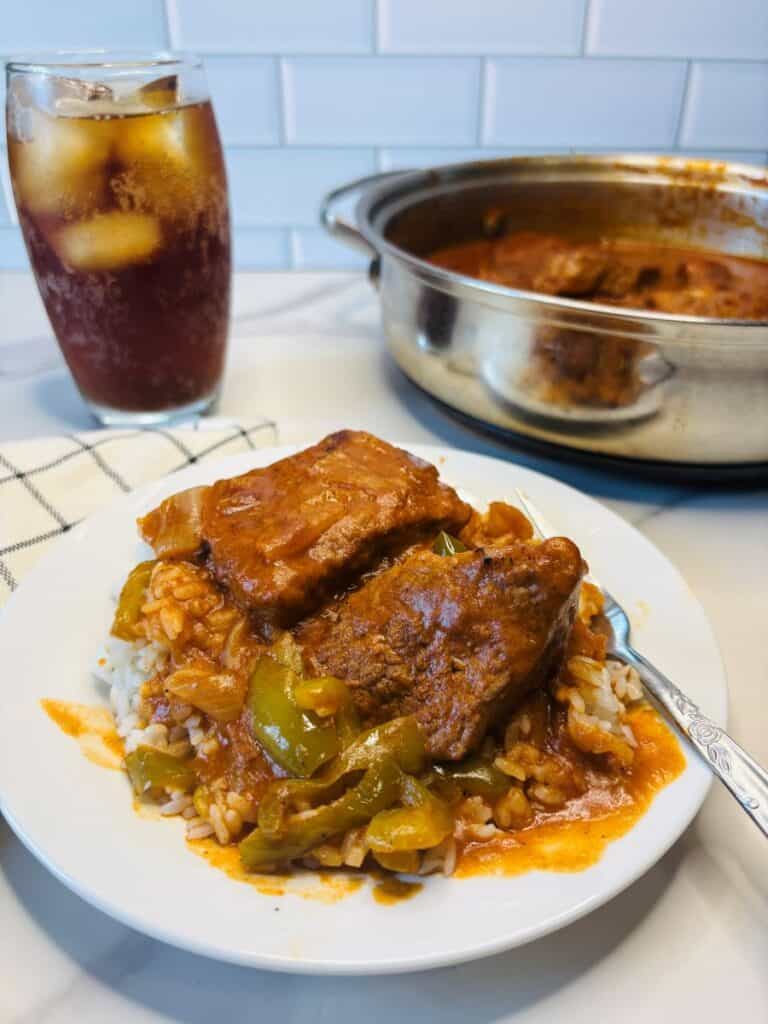
- The sauce does double duty. That tomato-based braising liquid turns into a rich gravy that’s perfect spooned over mashed potatoes, egg noodles, or rice.
- It’s nostalgic comfort food. If you grew up with a grandmother or mom who made this, one bite brings it all back. And if you didn’t, you’ll understand immediately why this was a staple for generations.
- It’s forgiving. This isn’t a recipe where timing has to be exact. A little extra simmer time only makes the meat more tender.
- It feeds a crowd without much effort. Two pounds of meat stretches a long way once it’s sliced and served with the sauce, so it’s a solid choice for family dinners or when you’re feeding guests.
Substitutions and Variations
Meat: Round steak or chuck roast both work well in place of rump roast. Look for a tough, economical cut; that’s exactly what this cooking method is designed for.
Butter: Swap in oil (vegetable, canola, or avocado) if you want it dairy-free, or use a mix of butter and oil for the best of both.
Onion: Yellow or white onion both work fine here. Shallots are a nice swap if you want something milder.
Green Pepper: Red or yellow bell pepper works if you want a sweeter flavor, or leave it out entirely if you’re not a pepper fan.
Tomato Sauce: Crushed tomatoes or diced tomatoes (blended smooth) can stand in if that’s what you have on hand. For a deeper flavor, swap in tomato paste mixed with beef broth.
Boiling Water: Beef broth or stock adds even more flavor to the braising liquid if you want to swap it in.
Flour: A 1:1 gluten-free flour blend works well for a gluten-free version, since it’s mainly used for texture, not structure.
Spice it up: Add a pinch of garlic powder, paprika, or a bay leaf to the sauce for extra depth.
Make it a one-pot meal: Add sliced carrots and potatoes right into the pot during the last hour of simmering.
Storage Tips
How long does Swiss Steak last in the fridge? Store leftovers in an airtight container for up to 4 days. The flavor actually deepens after a day or two, so it’s a great make-ahead dinner.
Can you freeze Swiss Steak? Yes. Let it cool completely, then transfer it (meat and sauce together) to a freezer-safe container or heavy-duty freezer bag. It’ll keep well for up to 3 months.
How to thaw frozen Swiss Steak. Move it to the fridge the night before you plan to eat it and let it thaw slowly overnight. This helps the meat stay tender instead of drying out.
Best way to reheat Swiss Steak. Warm it gently on the stovetop over low heat, or cover it and reheat in a 300°F oven, until it’s heated through. A splash of broth or water helps loosen the sauce if it’s thickened up in storage.
Can you reheat it in the microwave? Yes, though the stovetop or oven gives better texture. If you do use the microwave, cover the dish and heat in short bursts, stirring in between.
Meal prep tip: This recipe holds up well in individual portions, so it’s easy to divide into containers for quick lunches or dinners throughout the week.
Frequently Asked Questions
Is Swiss Steak the same as pot roast? Not quite. Pot roast is usually a whole roast cooked low and slow, while Swiss Steak is sliced or cut into portions, pounded with flour, and braised in a tomato-based sauce.
Can you double this recipe? Yes, just make sure your pot is large enough that the meat still fits in a single layer for browning. You may need to brown the meat in batches to avoid steaming it.
Why is my Swiss Steak tough? Usually it means the sauce cooked at too high a heat, or it needs more time. Swiss Steak actually gets more tender the longer it simmers, so if it’s still tough, give it another 20 to 30 minutes on low.
Can you make this recipe without a mallet or potato masher? Yes, the back of a heavy skillet, a rolling pin, or even the edge of a sturdy plate can work in a pinch. The goal is just to work the flour into the meat and break down the fibers.
Do you need to sear the meat before simmering? It’s not required, but it’s worth the extra few minutes. Browning builds flavor in the sauce that you won’t get if you skip straight to simmering.
What to Serve with Swiss Steak
Mashed potatoes – The classic pairing. That tomato-braised sauce is basically made to be spooned over a mountain of creamy mashed potatoes.
Egg noodles – Buttered egg noodles soak up the sauce just as well as potatoes do, and they turn the meal into more of a stew-like dinner.
Stuffed Baked Potatoes – If you want to dress up the potato side a little more, these crispy-skinned, cheesy stuffed potatoes are a fun swap for plain mashed.
Rice – A simple option that does the same job as noodles or potatoes: soaking up every bit of that rich sauce.
Roasted green beans or steamed broccoli – Something green and simple balances out the richness of the meat and sauce without competing with it.
Parker House Rolls – Soft rolls are perfect for mopping up any extra sauce left on the plate.
Classic coleslaw – A cool, crunchy, tangy side is a nice contrast to the warm, rich braise, especially if you’re serving this for a weeknight dinner rather than a holiday table.
Cornbread – Adds a touch of sweetness and a different texture that works surprisingly well against the tomato-based sauce.
Other Recipes You May Enjoy
If you like Swiss Steak, you might also like my Slow Cooker Rump Roast or my Porcupine Meatballs. This Hawaiian Pot Roast is also delicious.
Swiss Steak

Equipment
Ingredients
- ½ Cup Flour
- Pinch Salt
- Pinch Pepper
- 2 Pounds Rump Roast
- 2 Tablespoons Butter
- ¼ Cup Onions Sliced
- ½ Green Pepper chopped fine
- 1 Cup Boiling Water
- 1 Cup Tomato Sauce
Instructions
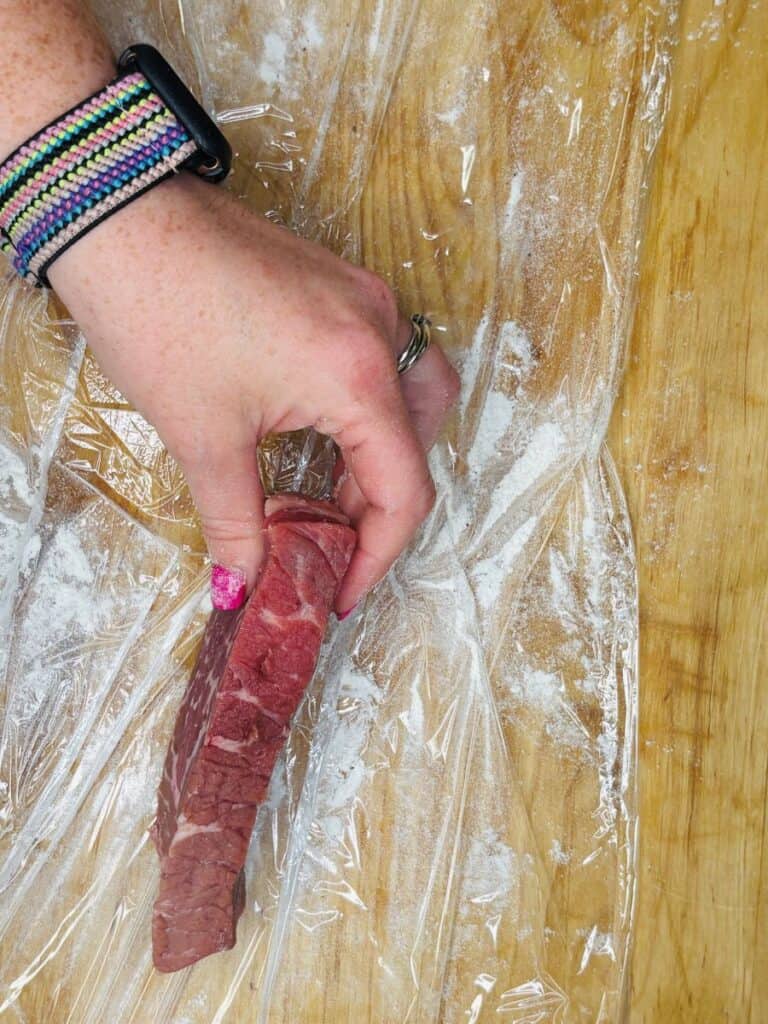
- Cut meat into pieces that are 2½ inches square and ½ inch to 1 inch thick.
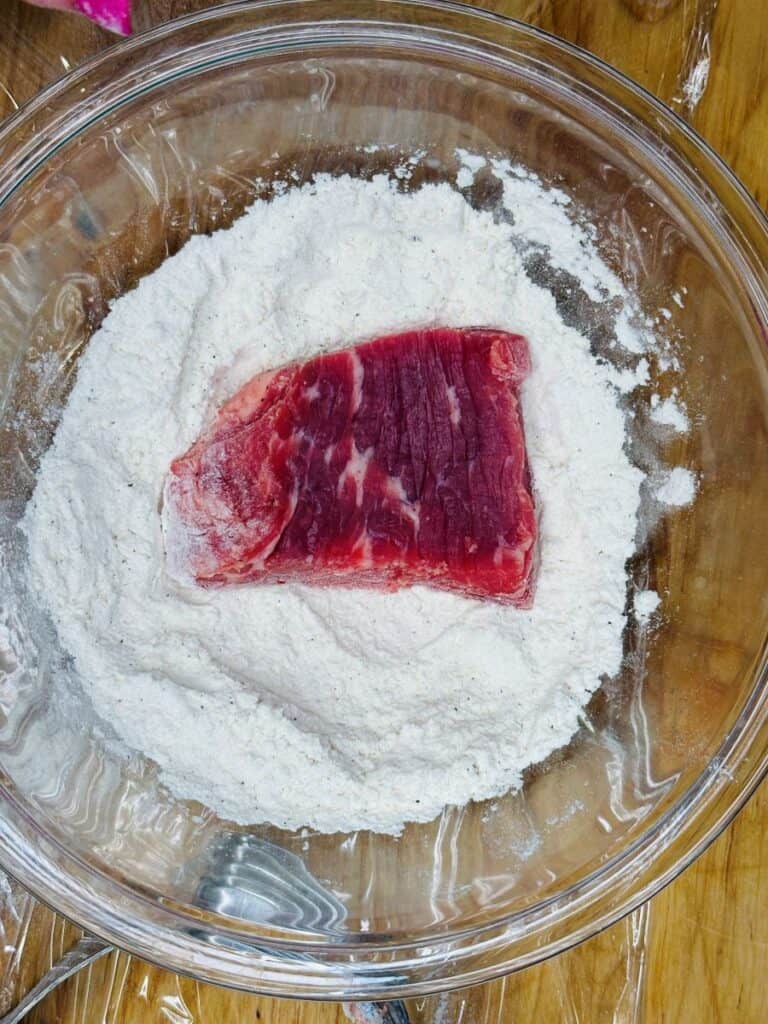
- Combine the flour, salt, and pepper.
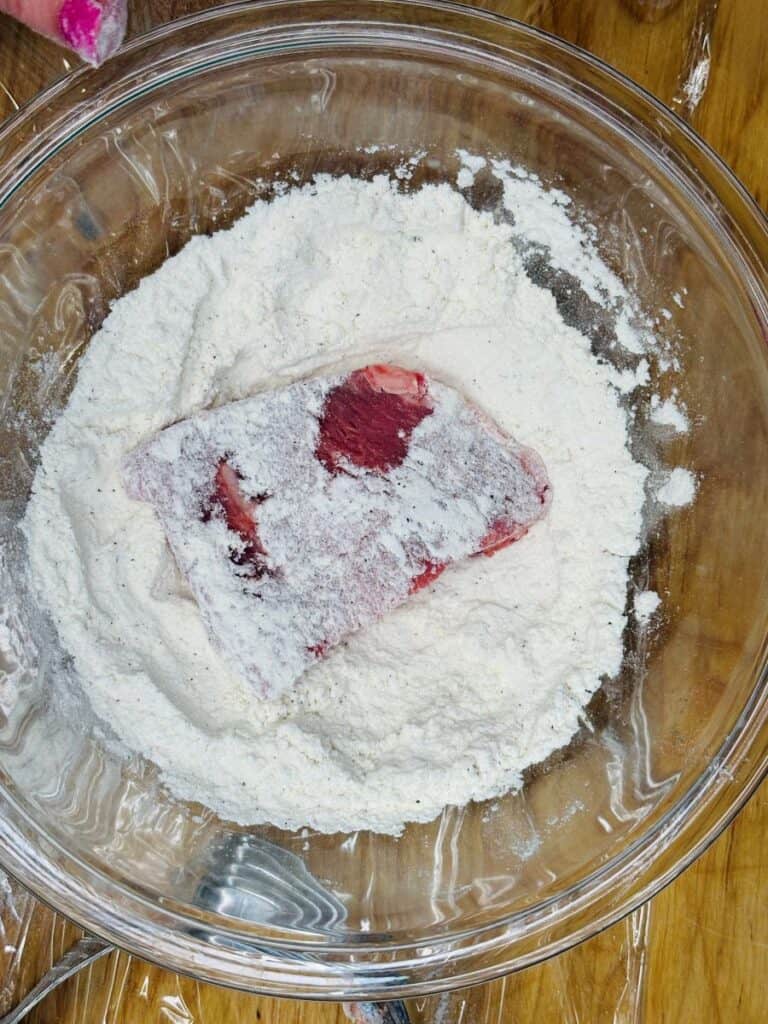
- Dip the meat into the flour mixture and cover both sides.
- Move the meat to a cutting board and pound with a wooden potato masher or the edge of a heavy meat mallet.
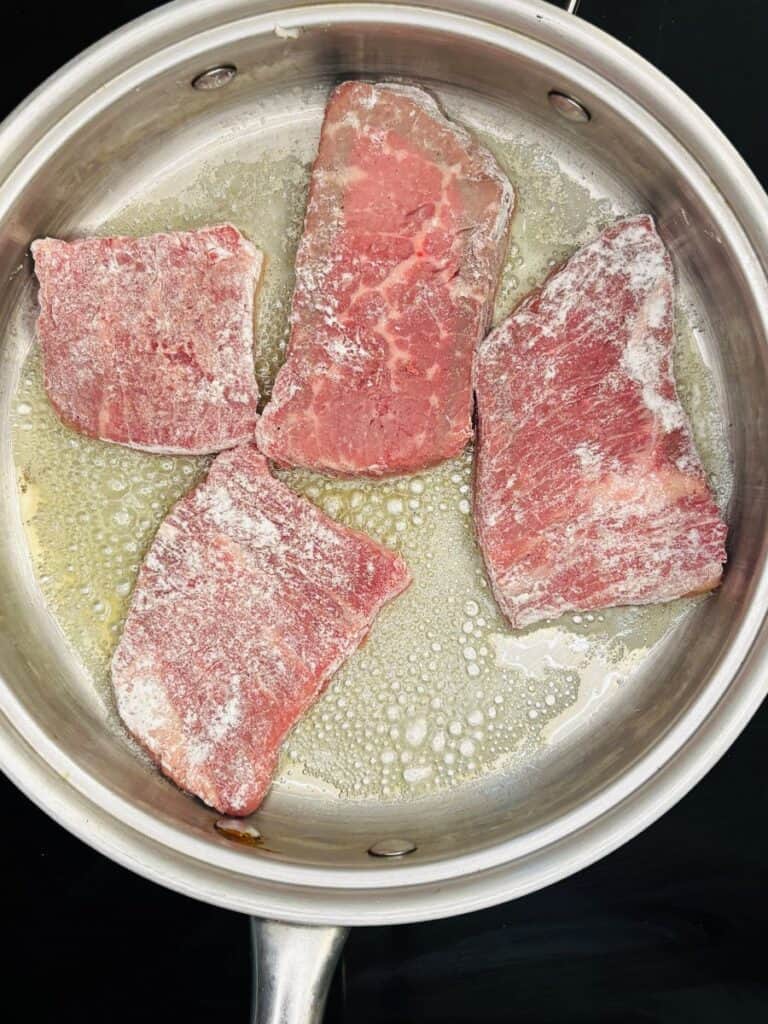
- Place butter in a large skillet and melt.
- Brown the meat in the butter.
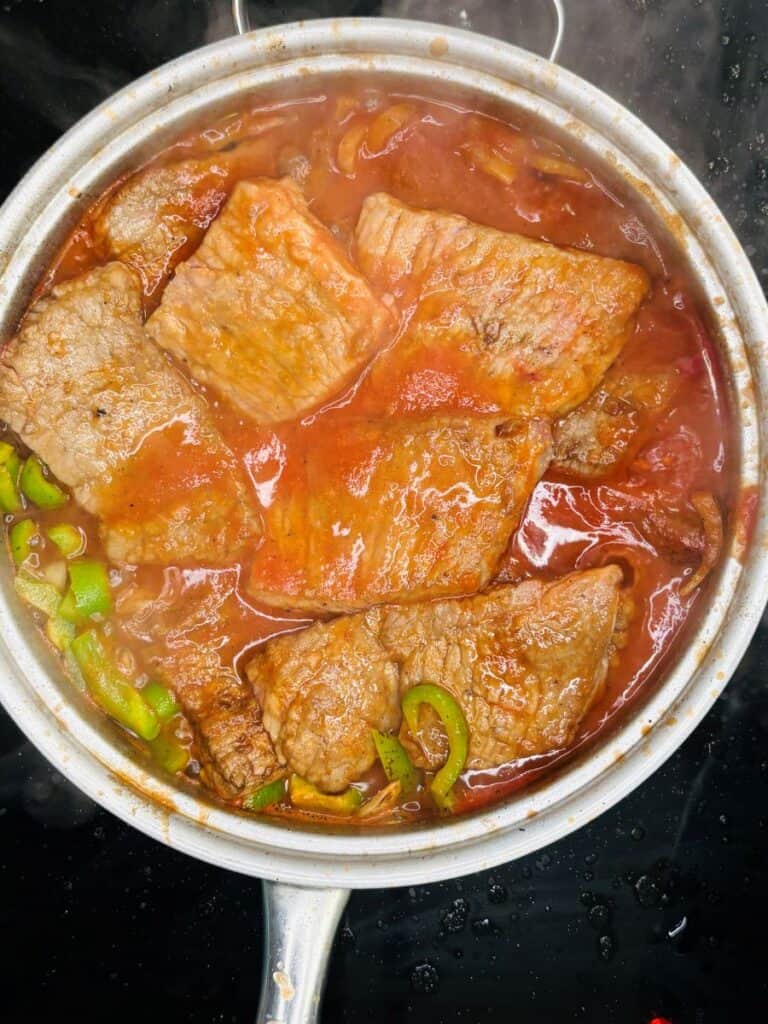
- Add onions, green pepper, boiling water, and tomato sauce.
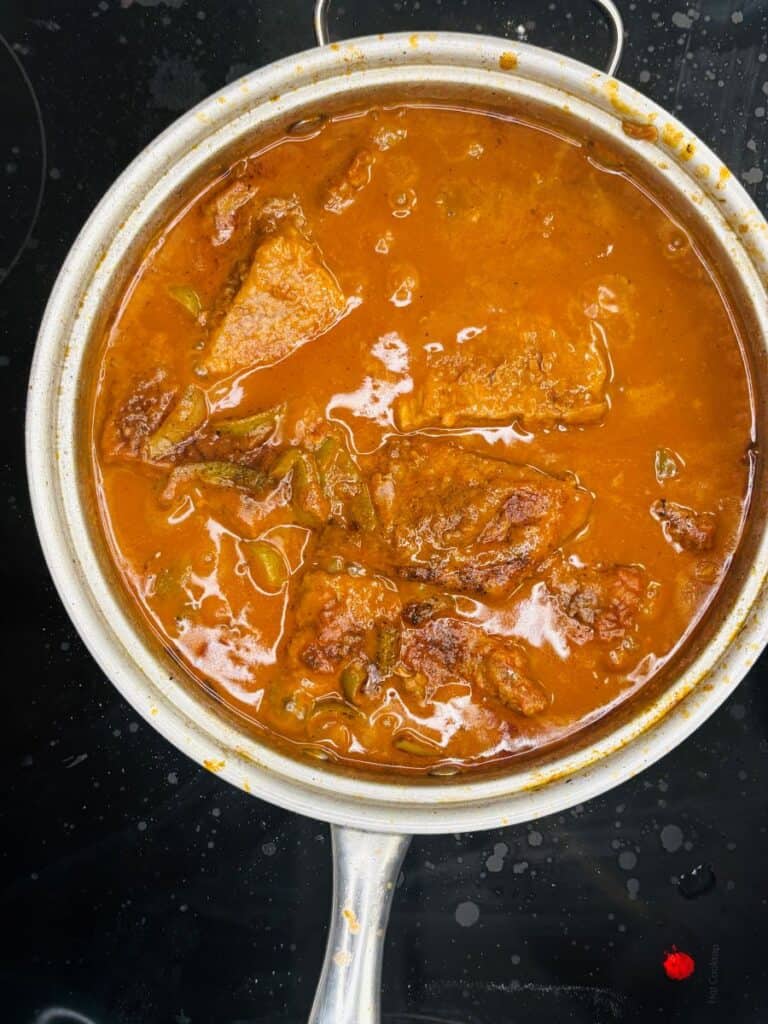
- Cover closely and simmer for 2 hours.
- Season to taste.
Notes
- Pound the flour in; don’t just coat it. Really work the flour into the meat with the edge of a mallet or a potato masher. This is what tenderizes the meat and helps it soak up all that flavor as it cooks.
- Don’t skip the browning step. Searing the meat in butter before it simmers builds a deeper, richer flavor in the final sauce. Give it a solid 2 to 3 minutes per side.
- Low and slow is the whole point. Keep the heat at a gentle simmer, not a boil. A rolling boil will toughen the meat instead of tenderizing it.
- Check your liquid halfway through. If the sauce looks like it’s reducing too much, add a splash of water or broth so the meat stays fully covered and doesn’t dry out.
- Use a heavy pot with a tight-fitting lid. A Dutch oven works best here. It holds heat evenly and keeps moisture in during the long simmer.
- Slice against the grain if you’re cutting your own meat. This shortens the muscle fibers and makes the final dish even more tender.
- Make it ahead. Swiss Steak actually tastes better the next day, once the flavors have had time to meld. Reheat gently on the stove or in the oven.
Amazon and the Amazon logo are trademarks of Amazon.com, Inc, or its affiliates.