German Pfeffernusse Cookies Recipe
Some of the links in this post are affiliate links. This means if you click on the link and purchase the item, I will receive an affiliate commission at no extra cost to you. All opinions remain my own.
As an Amazon Associate I earn from qualifying purchases.
Last Updated on August 16, 2026 by Heidi Bruaw
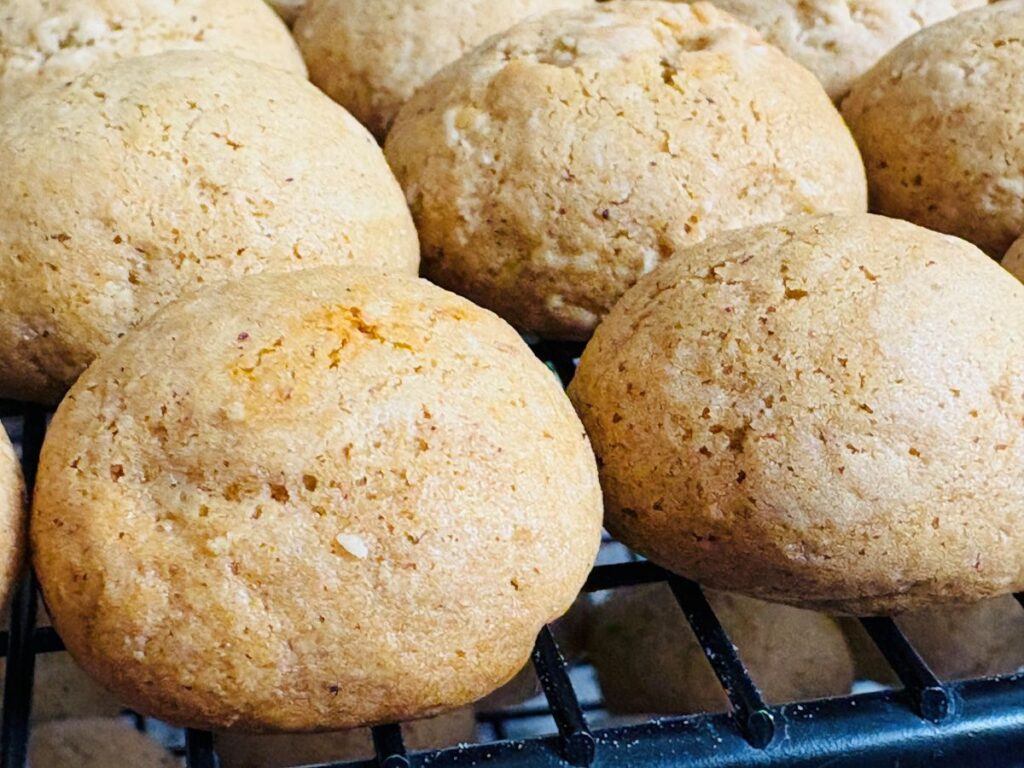
I found this Pfeffernüsse cookie recipe in an old church cookbook, scribbles and all, and it instantly felt like a keeper. These little spice cookies go way back to Germany, where they’re a holiday classic. The name means “pepper nuts,” and that peppery warmth comes from cloves, cinnamon, and nutmeg. One batch and the whole kitchen smells like a Christmas market.
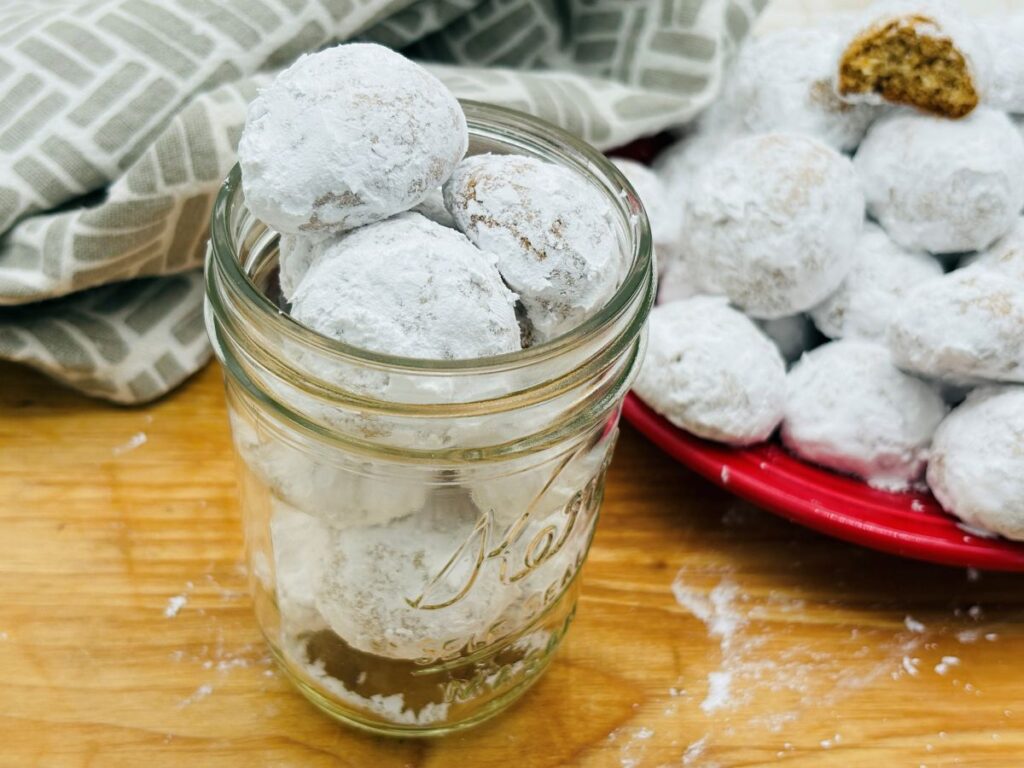
This version contains honey, sugar, and a splash of coffee for depth, plus baking soda, eggs, and flour to bring it all together with Crisco for tender texture. I love how the spices bloom in the oven and the cookies start out a little crisp, then mellow and soften over a day or two. They’re perfect with coffee or hot cocoa and ideal for gifting.
Ingredients You Will Need
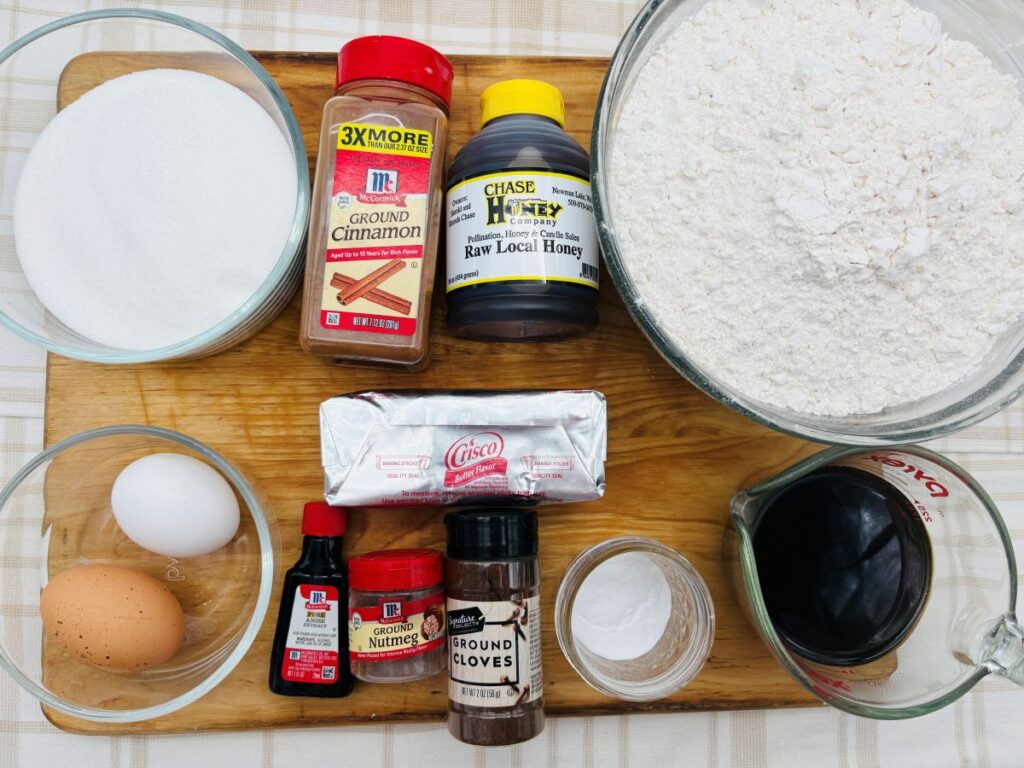
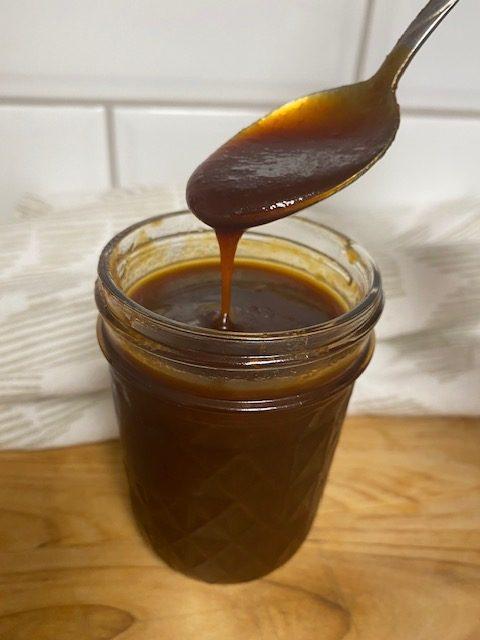
- Honey – Adds sweetness, moisture, and a rich flavor.
- Crisco – Provides fat for tenderness and keeps the cookies from drying out.
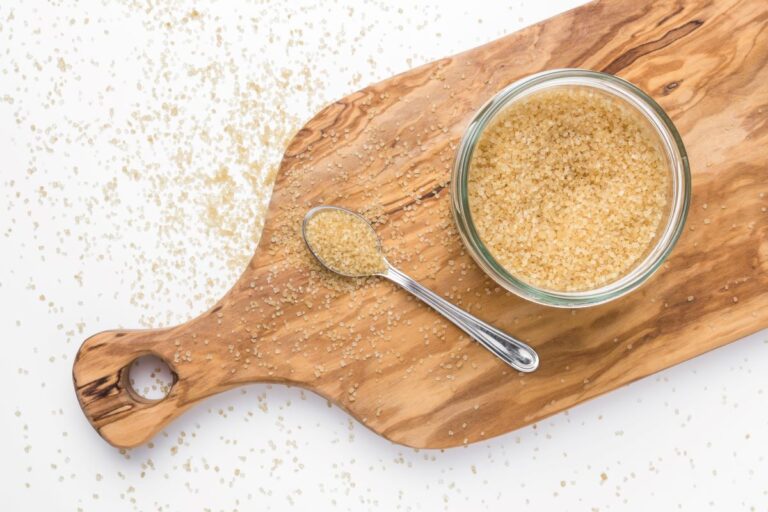
- Sugar – Sweetens the dough and helps with browning.
- Coffee – Enhances the warm flavors of the spices and adds depth.
- Baking Soda – Gives the cookies lift and keeps them from being too dense.
- Eggs – Bind the ingredients together and add structure.
- Cloves – Bring that signature peppery bite and warmth.
- Cinnamon – Adds cozy spice and balances the sweetness.
- Nutmeg – Gives a nutty, slightly sweet undertone.
- Anise – Lends that traditional licorice-like note that makes Pfeffernüsse unique.
- Flour – Forms the structure and base of the cookie dough.
- Powdered Sugar – Add sweetness.
Frequently Asked Questions
Why is coffee in the recipe? It doesn’t make the cookies taste like coffee; it simply deepens the spice flavors and adds richness.
Do Pfeffernüsse cookies need to be aged before eating? Traditionally, yes! They’re often stored for a few days to let the flavors blend and the texture soften. You can eat them right away, but most people say they taste even better after resting.
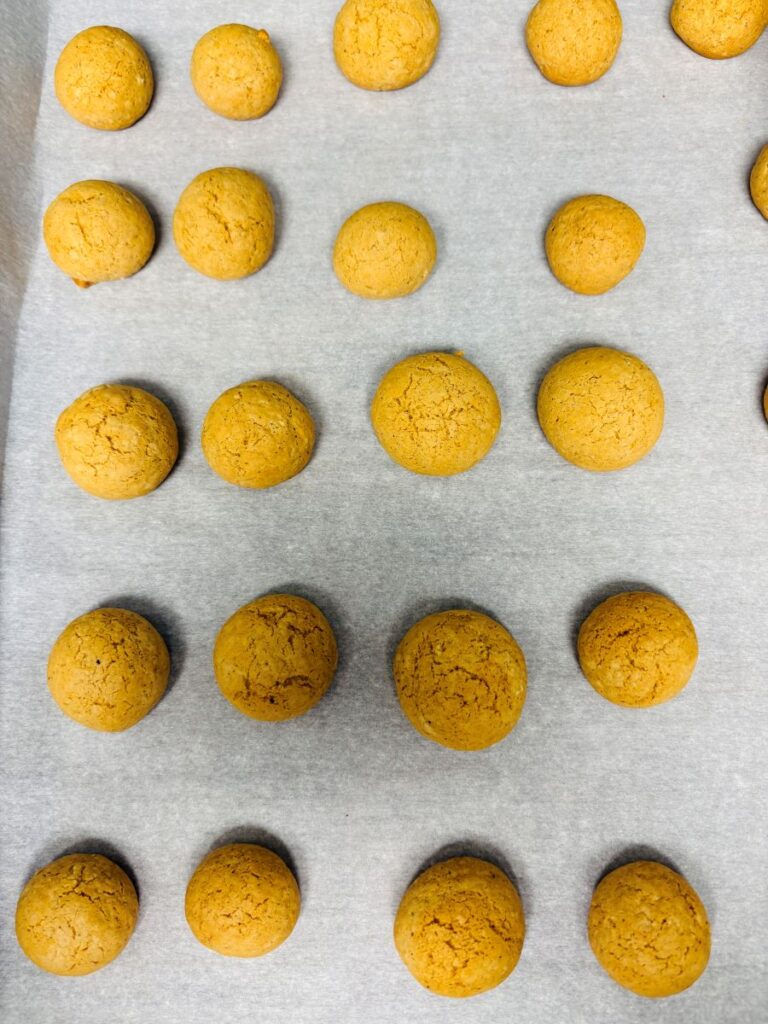
Do Pfeffernüsse cookies spread while baking? Not much. They hold their small, rounded shape, which makes them perfect for tins and cookie platters.
Why do Pfeffernüsse recipes vary so much? Because they’ve been passed down through families and communities for centuries. Some use nuts, some use glaze, and some (like this one) come from treasured church cookbooks.
Why are Pfeffernüsse cookies popular at Christmas? Spiced cookies like these were once made with ingredients that were considered special and festive. Over time they became a staple holiday treat across Germany and Europe.
Helpful Tips
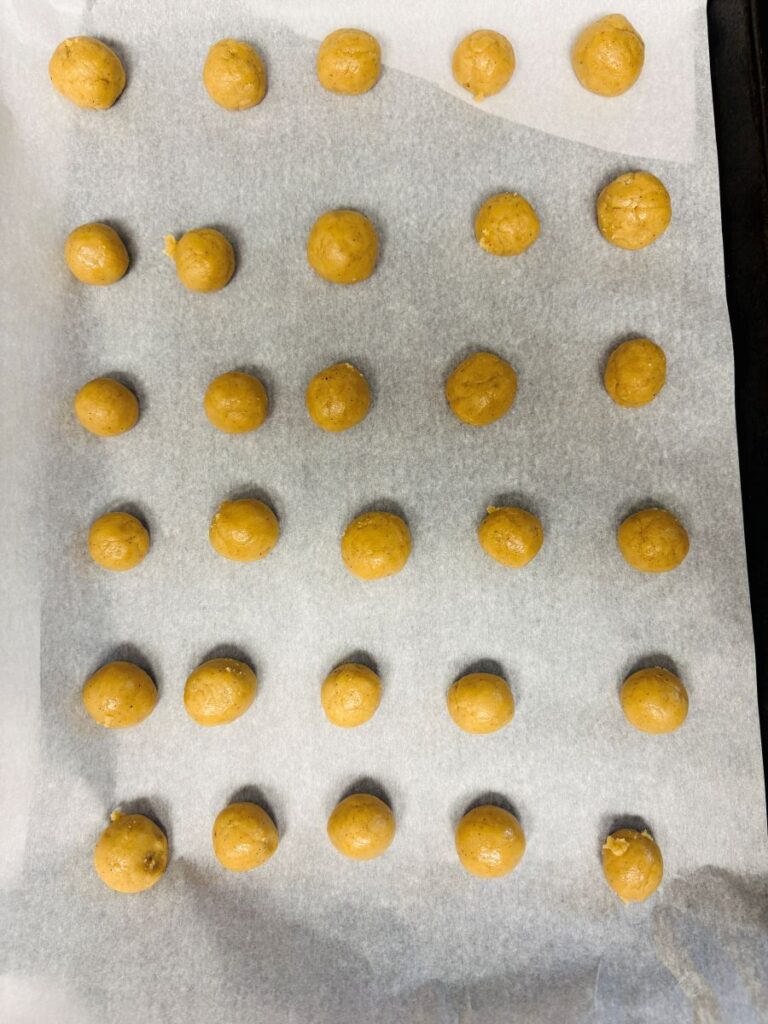
Keep the size small: These cookies are traditionally bite-sized. Use a small scoop or teaspoon so they bake evenly and keep their classic round shape.
Watch the bake time: They should be firm but not overly browned. Since they’re small, they can go from done to overdone quickly.
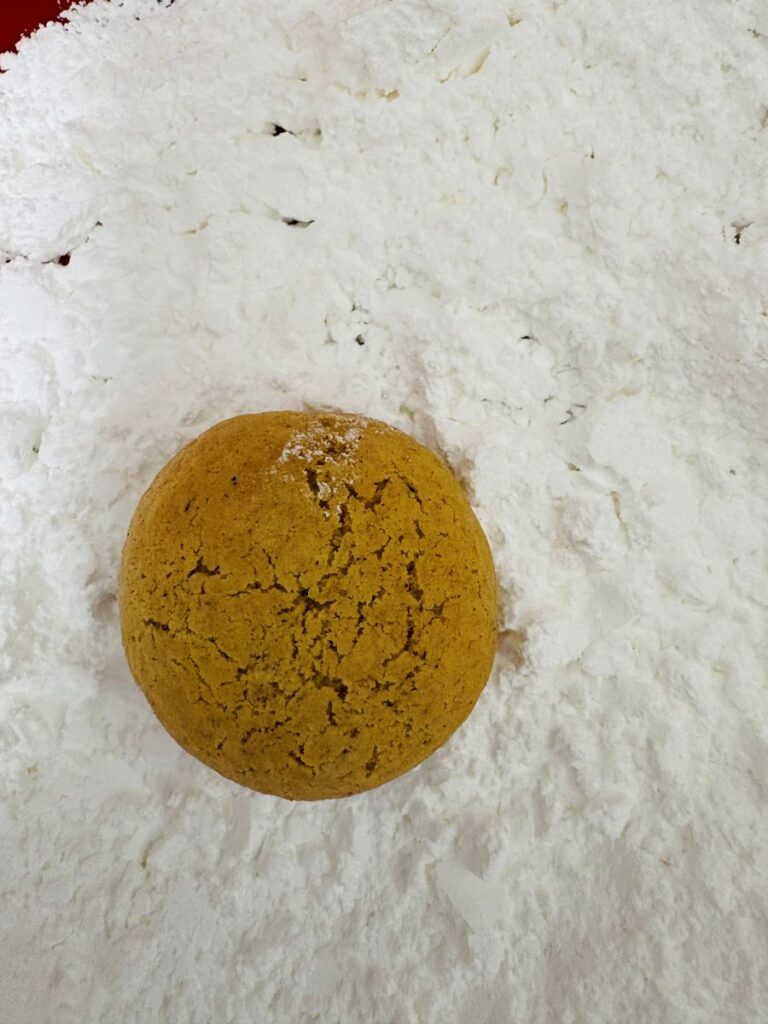
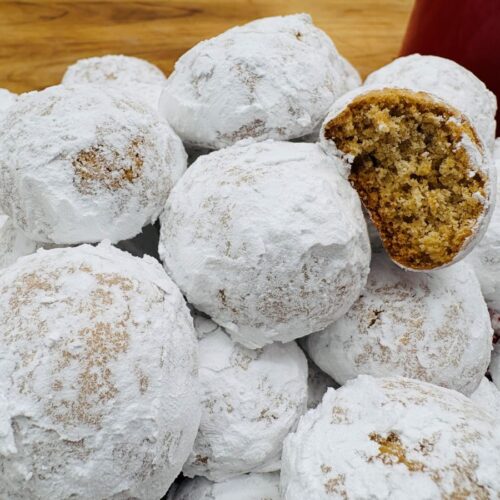
Cool before rolling in sugar: Before coating them in powdered sugar, wait until they’ve cooled slightly so the sugar sticks without melting into a glaze.
Adjust the anise: Anise can be strong, so if you’re unsure, start with a little and adjust to your taste. You can also swap in extra cinnamon if you prefer.
Storage Tips
Room temperature storage: Keep the cookies in an airtight container at room temperature. They’ll last up to two weeks and actually taste better as the days go by.
Layer with parchment: If you’re stacking cookies in a tin or container, place parchment or wax paper between layers to keep them from sticking.
Freezing baked cookies: You can freeze baked Pfeffernüsse in an airtight container or freezer bag for up to three months. Let them thaw at room temperature before serving, and dust with fresh powdered sugar if desired.
Freezing the dough: Roll the dough into balls and freeze them on a baking sheet, then transfer to a freezer bag. Bake from frozen, adding a minute or two to the baking time.

Substitutions and Variations
Replace honey with molasses for a deeper, richer flavor.
Substitute butter for Crisco if you want a richer taste. The texture will be a bit softer and more tender.
If you don’t love anise, reduce it or replace it with more cinnamon or allspice.
Stir in chopped nuts like almonds, hazelnuts, or walnuts for crunch.
Add a splash of vanilla extract for a mellow sweetness.
What to Serve with Pfeffernusse Cookies
Appetizers: A cheese board with sharp cheddar, brie, and a drizzle of honey is a great savory balance. Savory bites like prosciutto-wrapped melon or spiced nuts also make a nice contrast.
Side Dishes: Warm roasted root vegetables such as carrots and parsnips highlight the earthy, cozy flavors that pair well with holiday cookies. A simple fruit salad with apples, pears, and grapes adds freshness alongside the richness of the cookies.
Main Dishes: Hearty holiday meals like Herb Roasted Chicken, glazed ham, or beef pot roast complement Pfeffernüsse nicely.
Drinks: Hot coffee or espresso is the classic choice for Pfeffernüsse, but mulled wine or spiced cider also brings out the warm spices. For something lighter, a cup of black tea or hot cocoa works just as well.
Other Cookies and Desserts: Pfeffernüsse go great on a Christmas cookie platter next to gingerbread men, Hermit Cookies, sugar cookies, Corn Flake Macaroons, and spritz cookies. They’re also lovely served with bundt cakes, fruitcake, or stollen for a full spread of traditional holiday treats.
Other Recipes You May Enjoy
If you like Pfeffernusse Cookies, you might also like my Monster Cookies or my Raspberry Linzer Cookies. These German Marzipan Cookies are also delicious.
Final Thoughts
Every time I bake these Pfeffernüsse, the warm spices and honey make the whole house feel like the holidays. I found this recipe in a church cookbook, and it still feels like a little gift from that community. Print the recipe, bake a batch this week, then leave a rating, drop a comment, and share a photo so we can cookie-chat.
German Pfeffernusse Cookies

Ingredients
Instructions
- Preheat the oven to 350℉.
- Line cookie sheets with parchment paper and set aside.
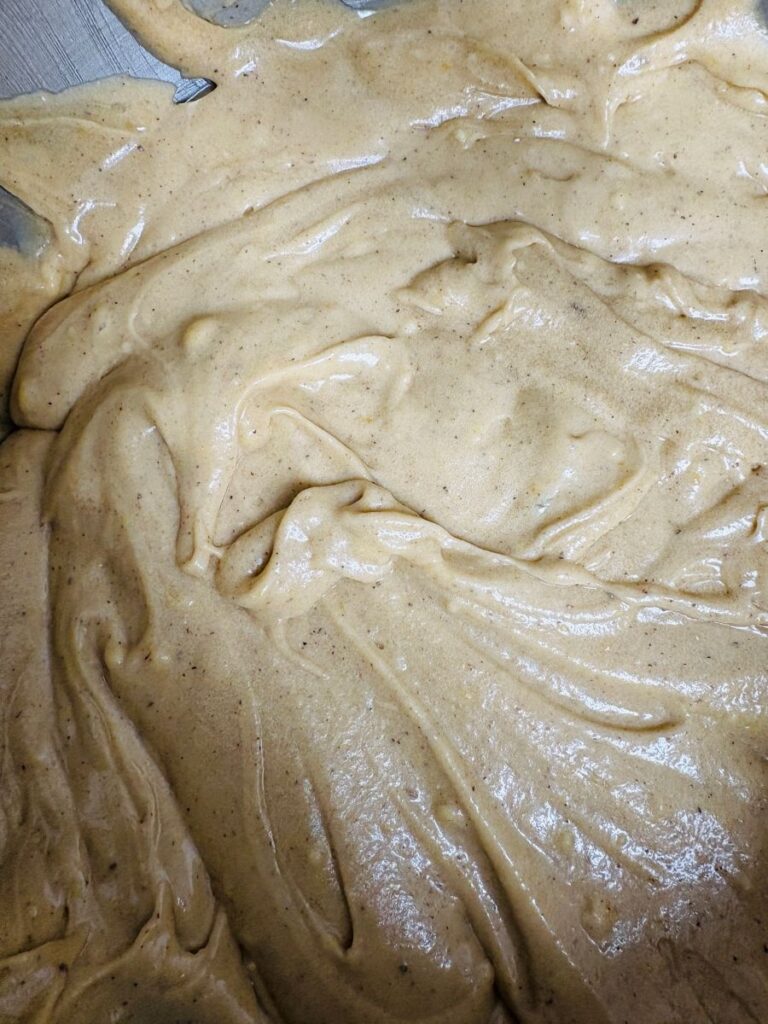
- Mix the honey, Crisco, sugar, coffee, eggs, and anise extract in a large mixing bowl with an electric mixer.
- Stir together the baking soda, cloves, cinnamon, nutmeg, half of the flour.
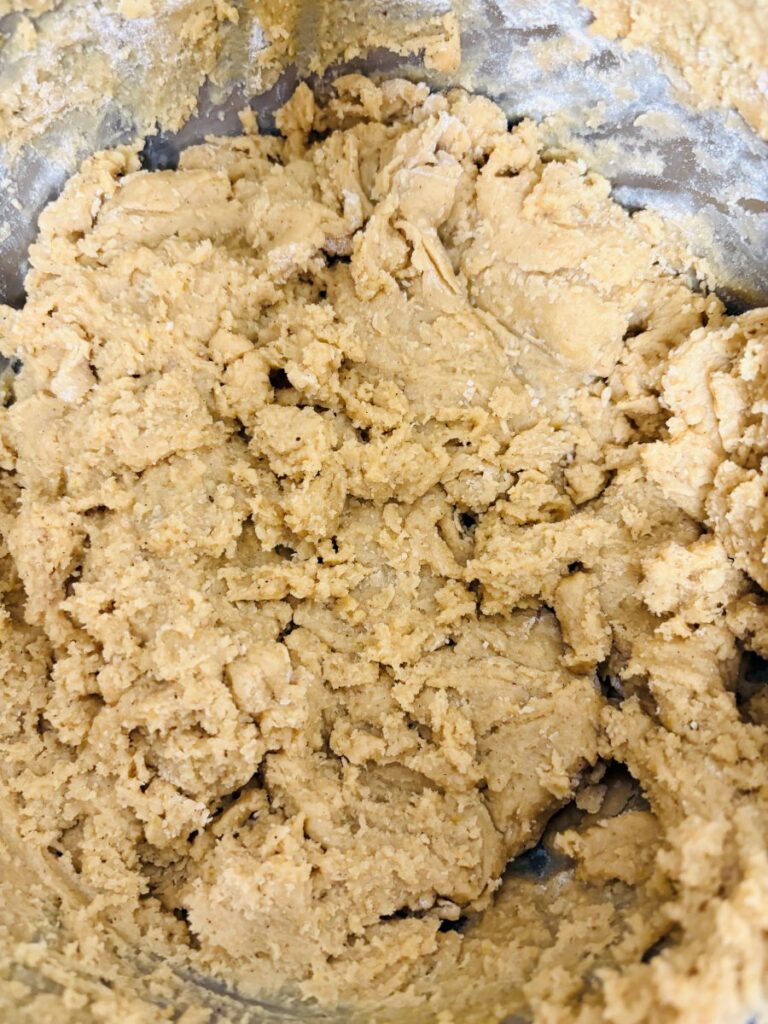
- Knead the dough and gradually add the rest of the flour. Knead until it is the right consistency for shaping into balls.
- Roll into balls that are 3/4 inch in diameter.
- Place on them onto the prepared cookie sheet.
- Bake at 350℉ for 12 minutes.
- Cool on wire rack.
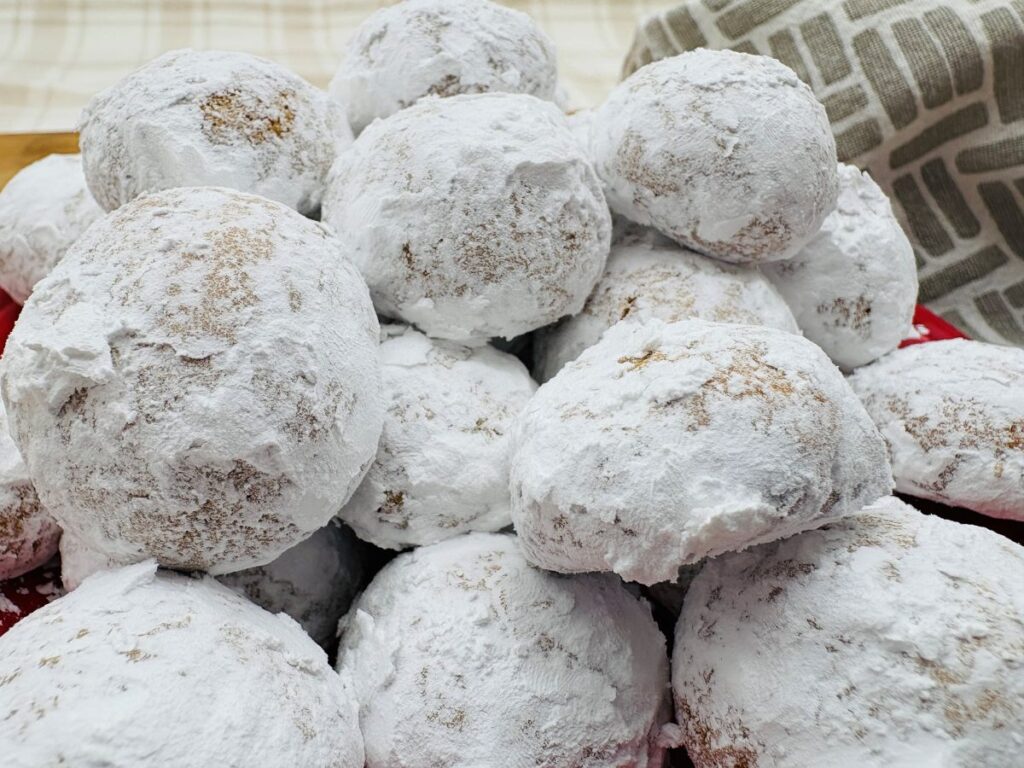
- Once completely cooled, roll the cookies in powdered sugar.
Notes

Amazon and the Amazon logo are trademarks of Amazon.com, Inc, or its affiliates.