
Classic Lemon Gold Cake Recipe
Some of the links in this post are affiliate links. This means if you click on the link and purchase the item, I will receive an affiliate commission at no extra cost to you. All opinions remain my own.
As an Amazon Associate I earn from qualifying purchases.
Last Updated on July 1, 2026 by Heidi Bruaw
I love flipping through my grandma’s 1940s recipe book and finding recipes like Lemon Gold Cake. The pages are worn and a little stained, which makes it feel even more special, because it’s been loved for generations. I can almost picture her in the kitchen, carefully measuring and zesting lemons, making this delicious cake.
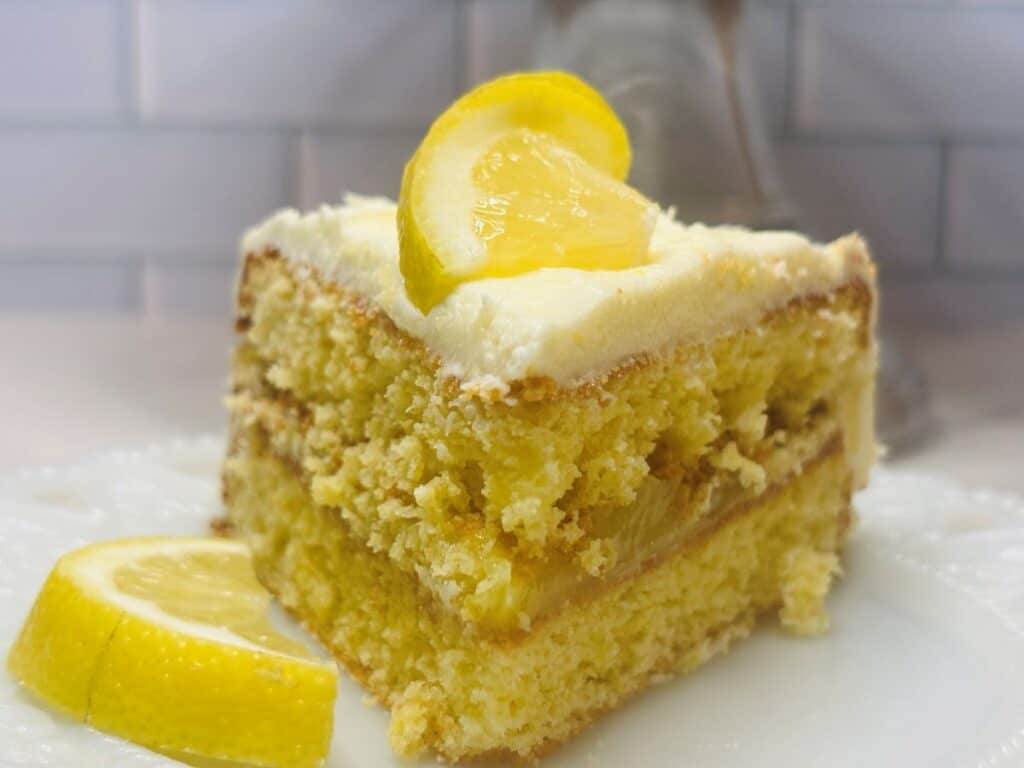
Lemon gold cake became popular in the early 20th century, especially when bright citrus desserts were a favorite for celebrations and Sunday dinners. It’s known for its rich, tender crumb from all those egg yolks, paired with that fresh lemon flavor that keeps it from feeling too heavy. I finished mine with a lemon buttercream, which adds a creamy, sweet layer that brings everything together in the best way.
Quick Facts
- Recipe Style: Vintage layer cake from a 1940s cookbook
- Flavor Profile: Bright lemon with a rich, buttery base
- Texture: Soft, tender crumb with smooth, creamy frosting
- Key Ingredient: Egg yolks for that classic “gold” color and richness
- Pan Type: Round layer cake pans
- Bake Time: About 20 minutes at 375°F
- Assembly: Layered with lemon filling and finished with lemon buttercream
- Best For: Spring gatherings, holidays, or anytime you want something a little special
- Make-Ahead Friendly: Cake layers can be baked in advance and assembled later
Why You’ll Love this Recipe
Big lemon flavor in every bite: Between the fresh lemon rind, filling, and buttercream, this cake brings that bright citrus flavor all the way through.
Simple, classic ingredients: Nothing fancy here, just pantry staples that come together into something that feels a little extra.
Perfect for sharing: The layered style makes it great for slicing and serving at get-togethers, holidays, or when you just want to treat people.
Balanced sweetness: The lemon keeps everything from feeling too sugary, so it’s light enough to go back for another slice.
Ingredients You Will Need
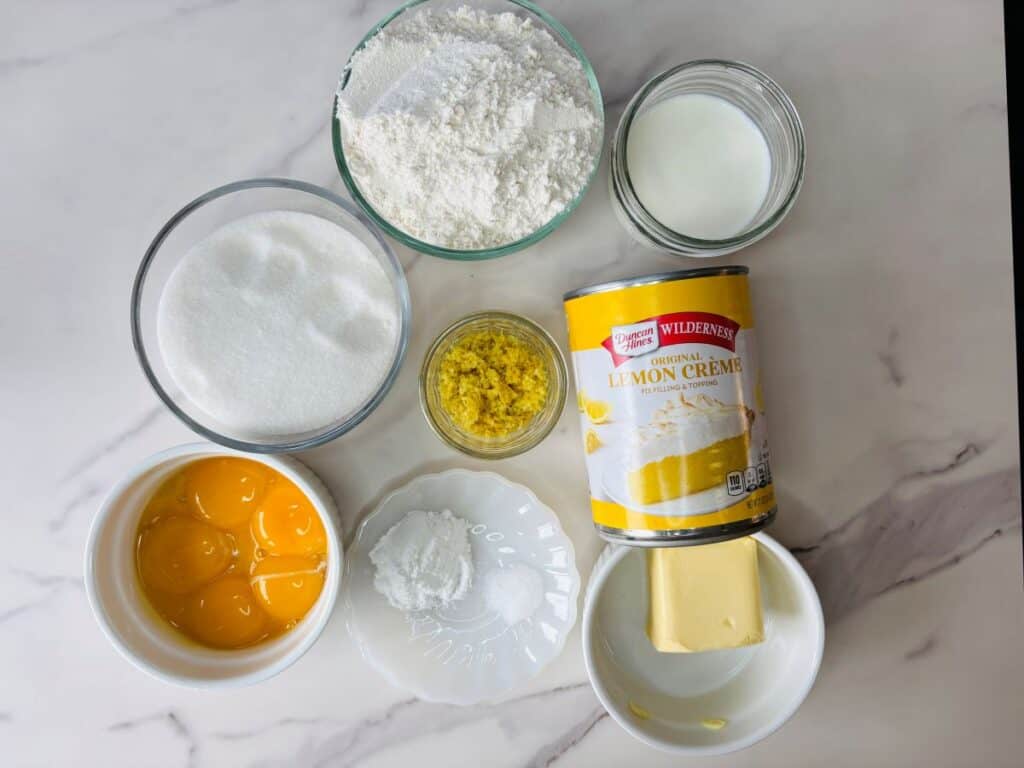
- Sugar: Sweetens the cake and helps create a soft, tender texture by keeping moisture in the batter.
- Butter-Flavored Shortening: Adds richness and keeps the cake extra moist while helping it hold its structure.
- Egg Yolks: Give the cake its signature golden color and create a rich, tender crumb.
- Salt: Balances the sweetness and brings out the lemon flavor.
- Milk: Adds moisture and helps create a smooth, pourable batter.
- Baking Powder: Helps the cake rise and gives it that light, fluffy texture.
- Grated Lemon Rind: Brings in fresh, bright lemon flavor that really makes this cake stand out.
- Flour: Provides the structure of the cake so it holds together while staying soft.
- Lemon Filling: Adds a sweet and tangy layer between the cakes for extra flavor and moisture.
- Lemon Buttercream: Finishes the cake with a creamy, sweet layer that ties all the lemon flavors together.
Helpful Tips
- Use room temperature ingredients: Let the egg yolks and milk sit out for a bit before starting, so everything blends together smoothly.
- Don’t skip sifting the flour: It keeps the cake light and helps avoid lumps in the batter.
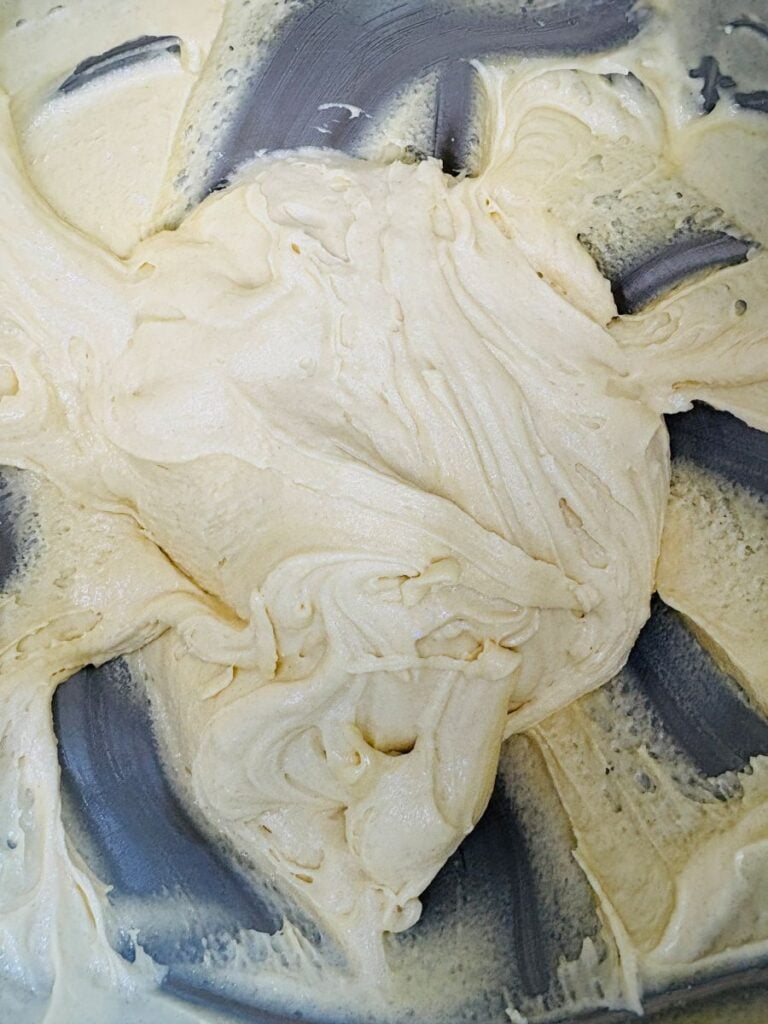
- Mix just until combined: Once you add the flour, stir gently so the cake stays soft and doesn’t turn dense.
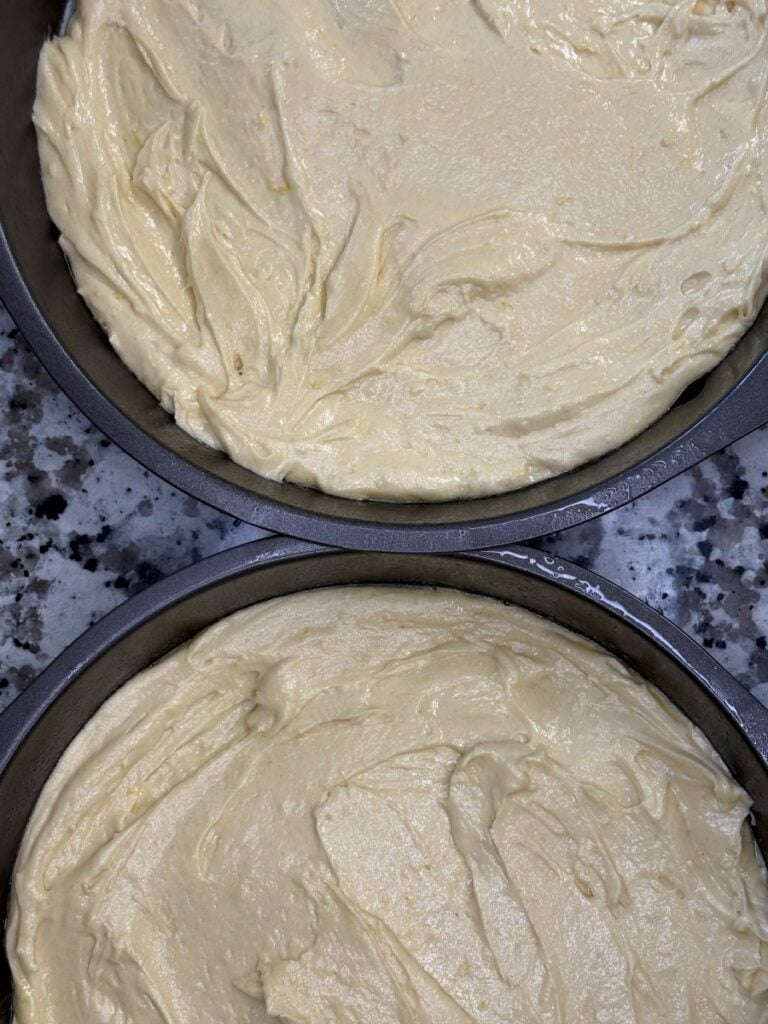
- Divide the batter evenly: Use a measuring cup or kitchen scale so your layers bake up the same size.
- Keep an eye on bake time: Ovens can vary, so start checking a few minutes early to avoid overbaking.
- Let the layers cool completely: This makes stacking and frosting so much easier and keeps the buttercream from melting.
- Level your cake layers if needed: A quick trim helps everything stack neatly and look more polished when finished.
Substitutions and Variations
Swap the shortening: You can use all butter instead of butter-flavored shortening for a richer, more homemade flavor. The texture may be slightly less fluffy, but still delicious.
Try bottled lemon juice: Fresh is best, but bottled lemon juice works in a pinch, just keep the lemon zest for that bright flavor.
Change up the filling: Lemon curd makes a great substitute for the jarred lemon filling and gives it an extra smooth, tangy layer.
Add berries: A layer of fresh strawberries or raspberries pairs really well with the lemon and adds a pop of color.
Switch the frosting: Cream cheese frosting or a simple glaze works if you want something a little different than buttercream.
Boost the lemon flavor: Add a little extra zest or a splash of lemon extract if you want a stronger citrus punch.
Make it one layer instead. Cook it a little longer and check for doneness often.
Frequently Asked Questions
How do I know when the cake layers are done? The tops should be lightly golden, and a toothpick inserted in the center should come out clean or with just a few crumbs.
Why is my cake dense instead of light? Overmixing the batter or not properly creaming the sugar and shortening can lead to a heavier texture.
Can I turn this into cupcakes? Absolutely! Just fill the liners about two-thirds full and reduce the baking time, checking them around the 15-minute mark.
What’s the best way to get smooth cake layers? Spreading the batter evenly and gently tapping the pans on the counter before baking helps remove air bubbles.
Can I make the layers ahead of time? Yes, you can bake the layers earlier in the day and assemble once they’ve cooled completely.
Storage Tips
- Keep it covered at room temperature: If you plan to enjoy it within a day or two, store the cake in an airtight container or covered cake stand to keep it soft.
- Refrigerate for longer freshness: Because of the lemon filling and buttercream, storing it in the fridge will help it stay fresh a bit longer.
- Bring to room temperature before serving: Let slices sit out for a little while so the buttercream softens and the texture is just right.
- Use a cake carrier or dome: This helps protect the cake from drying out and keeps it from picking up other flavors.
- Wrap cut edges: If you’ve already sliced into the cake, press a piece of plastic wrap against the exposed edges to keep them from drying out.
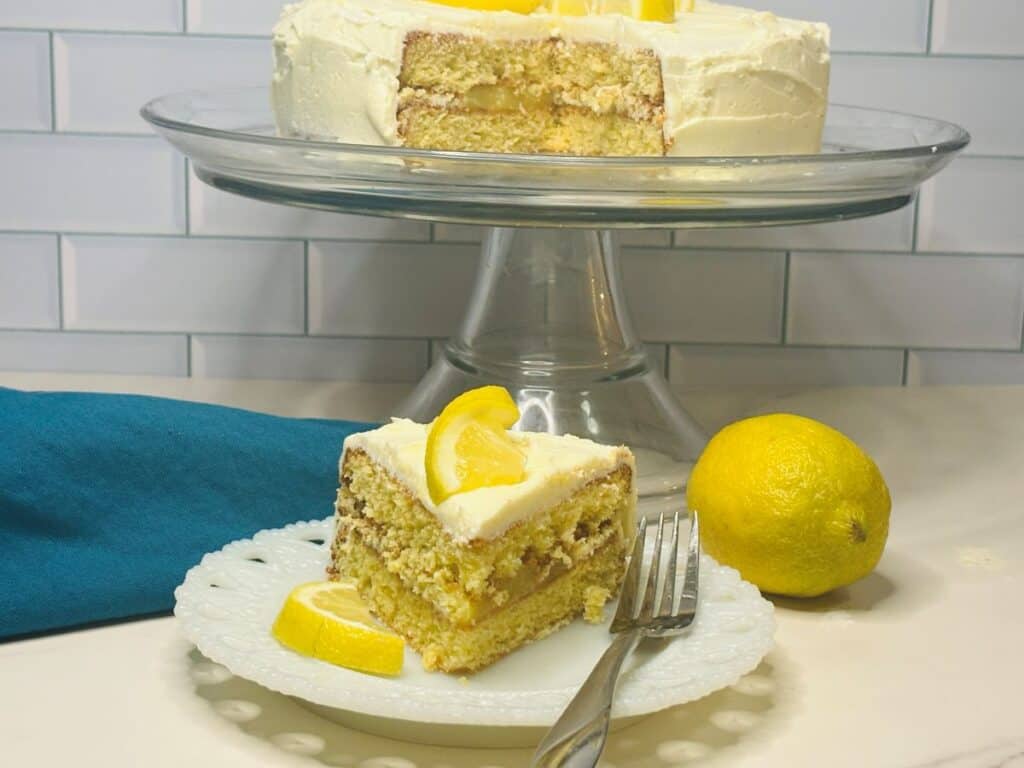
What to Serve with Lemon Gold Cake
Fresh berries: Strawberries, raspberries, or blueberries add a fresh, slightly tart contrast that pairs perfectly with the lemon flavor.
Whipped cream: A simple dollop on the side keeps things light and lets the cake shine.
Vanilla ice cream: The creamy, mellow flavor balances out the bright citrus and makes it feel a little extra special.
Hot tea or coffee: A warm drink like black tea or a cup of coffee complements the sweetness and makes it perfect for an afternoon treat.
Lemonade or iced tea: If you’re serving it at a gathering, a cold drink keeps everything feeling fresh and summery.
Light fruit salad: A simple mix of seasonal fruit rounds things out without feeling too heavy.
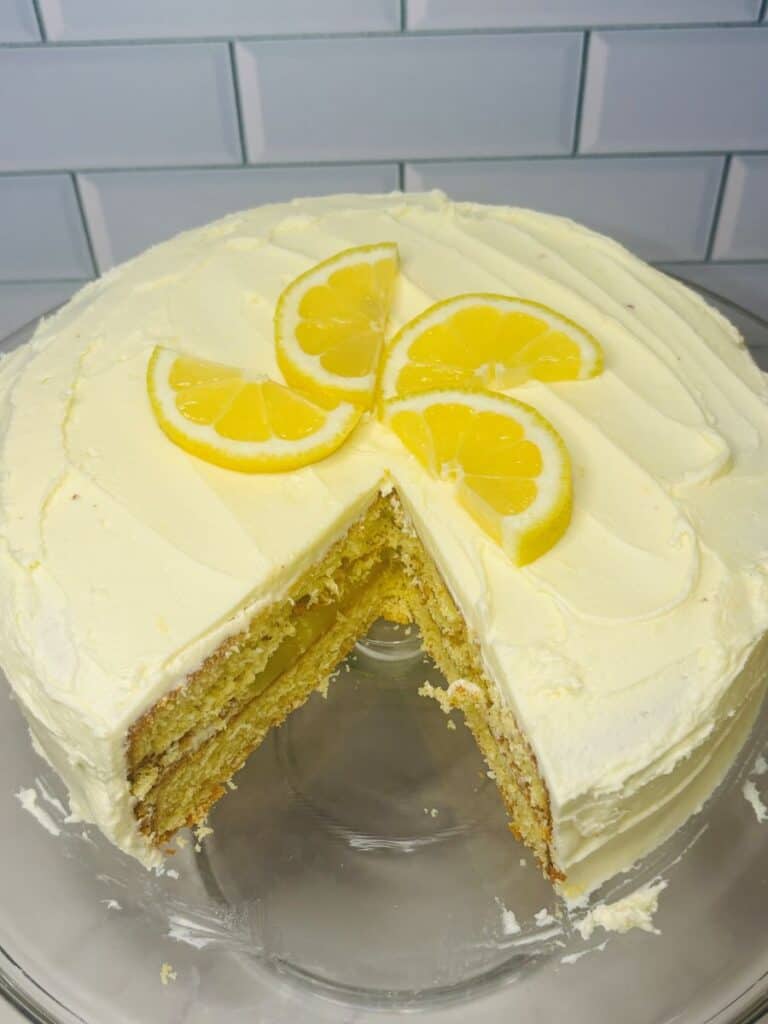
Other Recipes You May Enjoy
If you like Lemon Gold Cake, you might also like my Lemon Loaf Cake or my No-Bake Lemon Cheesecake. This Lemon Ricotta Cake is also delicious.
Lemon Gold Cake

Ingredients
- 1 cup sugar
- 6 tbsp shortening butter flavored
- ½ cup egg yolks about 6
- ¼ tsp salt
- ½ cup milk
- 3 tsp baking powder
- 2 tbsp grated lemon rind about 2 lemons
- 2 cups flour
- 1 jar lemon filling
Instructions
- Preheat oven to 375℉. Prepare round cake pans by greasing or adding parchment paper and set aside.
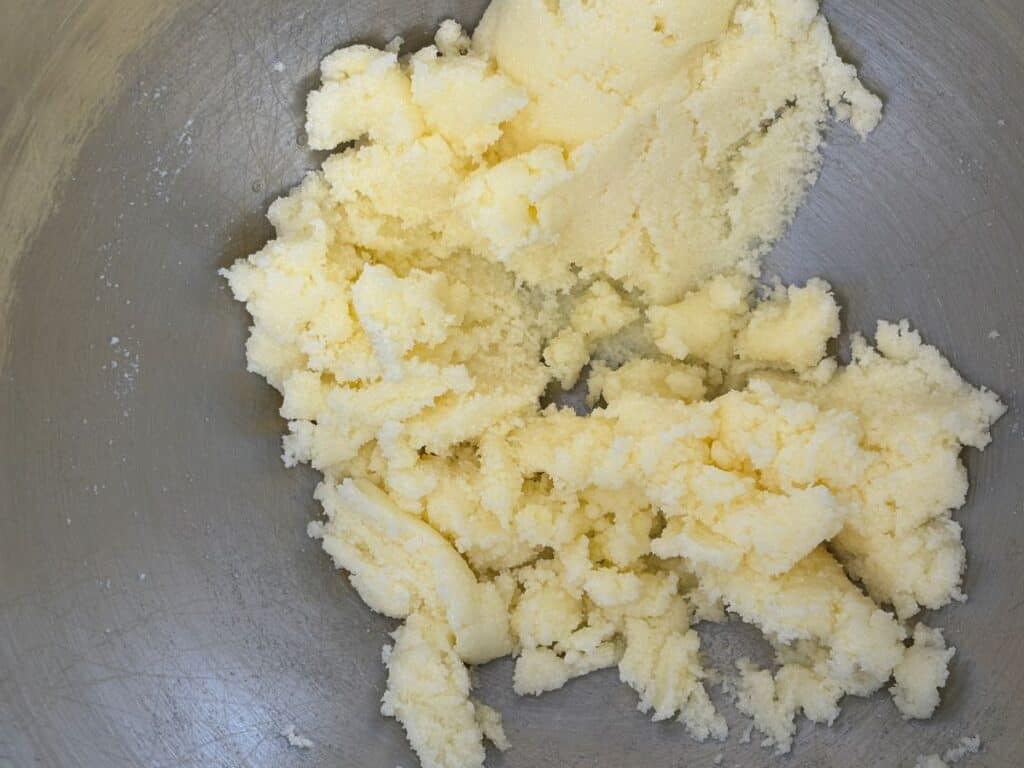
- Cream shortening and sugar.
- Beat egg yolks.
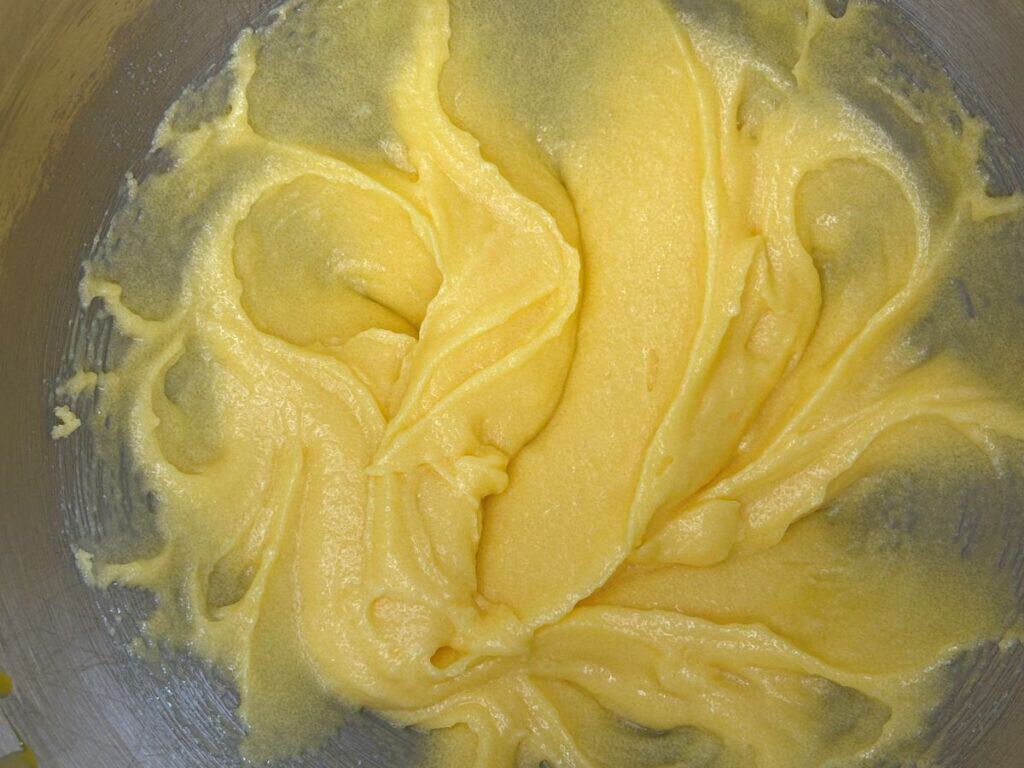
- Add egg yolks to creamed mixture.
- Sift flour, measure, and sift with baking powder and salt.
- Alternate adding dry mixture and milk to creamed mixture a little at a time.
- Use mixer to combine.
- Add grated lemon rind.
- Stir until well blended.
- Pour into well-oiled layered round cake pans.
- Bake at 375° for 20 minutes.
- Let cool and remove from pans.
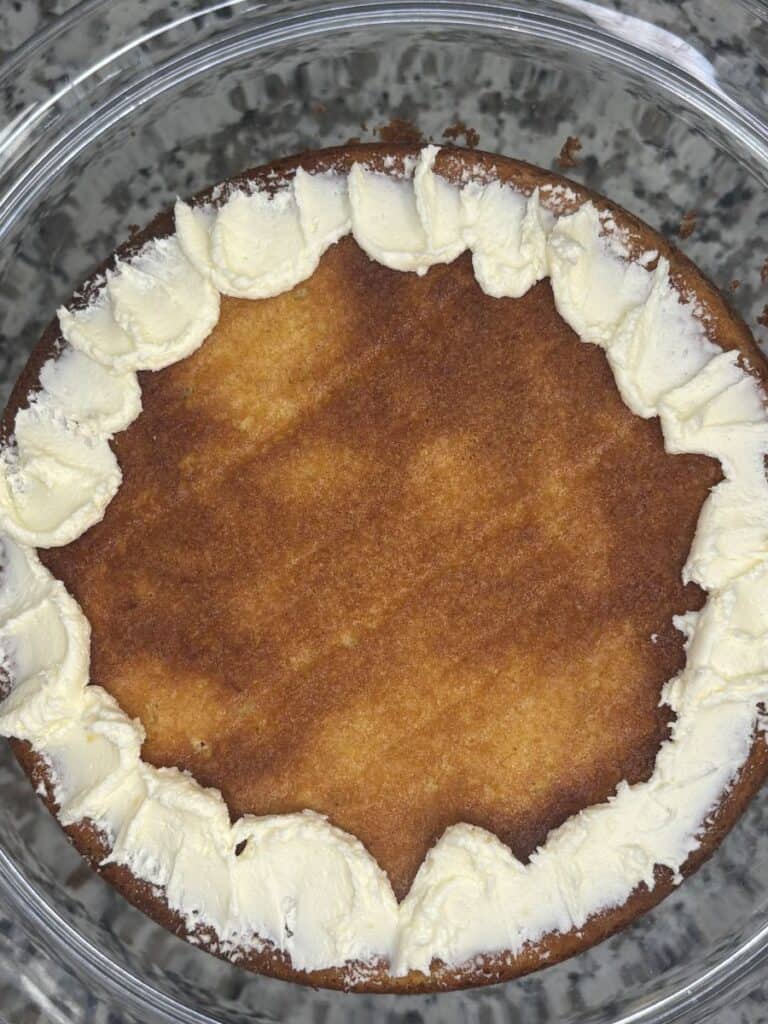
- Place lemon filling between layers.
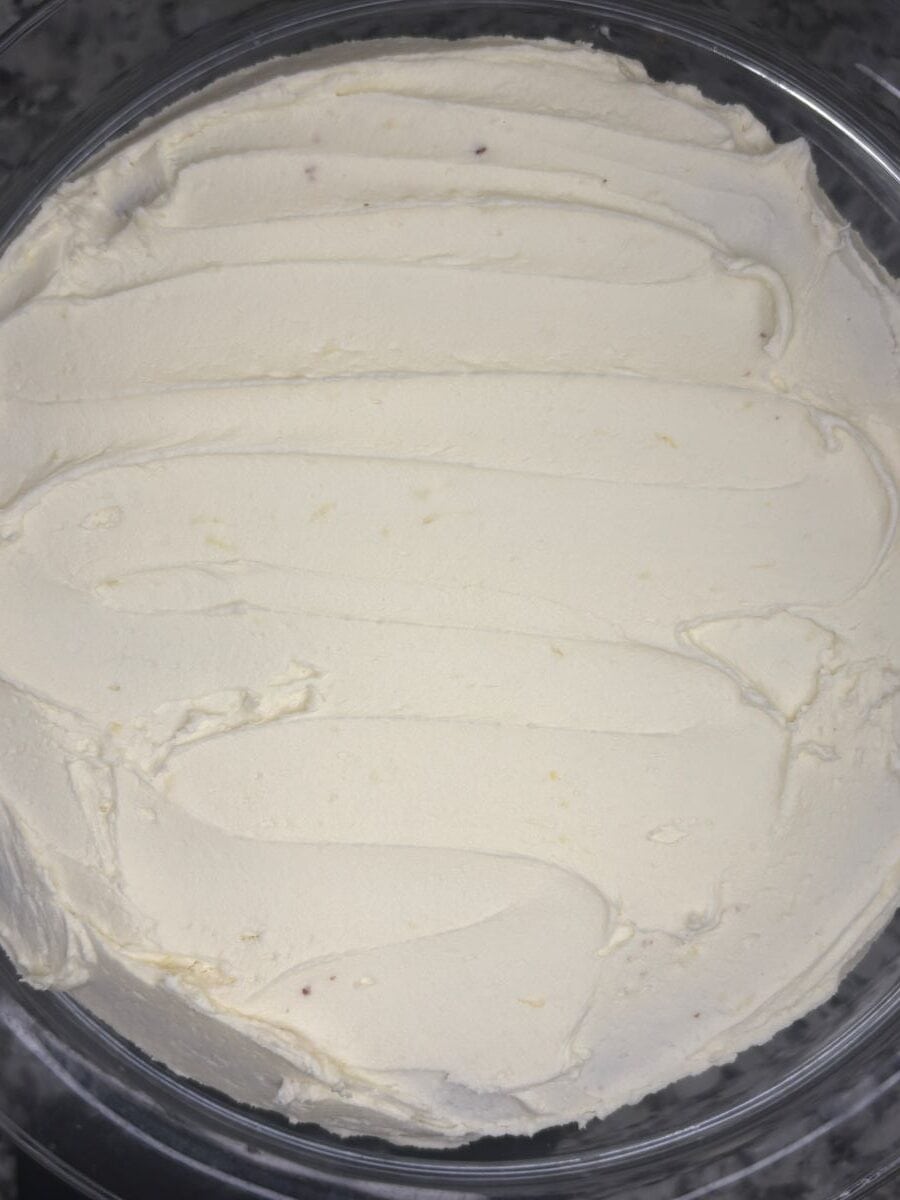
- Cover with frosting or icing of your choice.
Notes
- Use room temperature ingredients: Let the egg yolks and milk sit out for a bit before starting, so everything blends together smoothly.
- Don’t skip sifting the flour: It keeps the cake light and helps avoid lumps in the batter.
- Mix just until combined: Once you add the flour, stir gently so the cake stays soft and doesn’t turn dense.
- Divide the batter evenly: Use a measuring cup or kitchen scale so your layers bake up the same size.
- Keep an eye on bake time: Ovens can vary, so start checking a few minutes early to avoid overbaking.
- Let the layers cool completely: This makes stacking and frosting so much easier and keeps the buttercream from melting.
- Level your cake layers if needed: A quick trim helps everything stack neatly and look more polished when finished.
Amazon and the Amazon logo are trademarks of Amazon.com, Inc, or its affiliates.





Love the look of this cake 😍😍
Thank you! It’s super delicious too!
I was just over at your pecan bar post and this lemon cake recipe was recommended. I have to make a lemon cake for a craft weekend that I’m going on soon and this looks fantastic (plus I like that it’s a vintage recipe) I’ll have to check to see how many people will be there, though. One cake may not be enough.
This will be a big hit! It is so yummy. 🙂