Old-Fashioned Apple Butter Made With Cider (A 1940s Recipe Worth the Wait)
Some of the links in this post are affiliate links. This means if you click on the link and purchase the item, I will receive an affiliate commission at no extra cost to you. All opinions remain my own.
As an Amazon Associate I earn from qualifying purchases.
Last Updated on September 6, 2026 by Heidi Bruaw
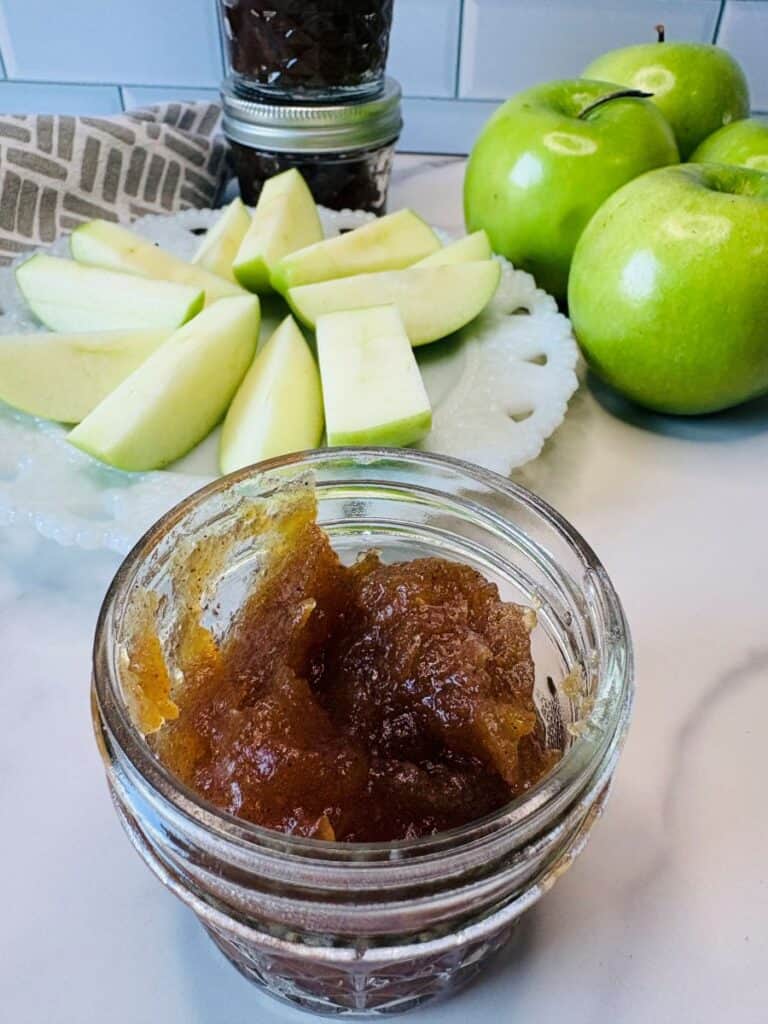
This apple butter recipe came out of a 1940s post-war cookbook I picked up for my collection, and I have made it enough times now to know exactly where people go wrong. You boil four quarts of cider down to two before the apples ever hit the pot, and that step is the whole reason this old-fashioned apple butter tastes deeper and richer than any slow cooker version I have tried. No pectin, no canner required, six ingredients, three pints.
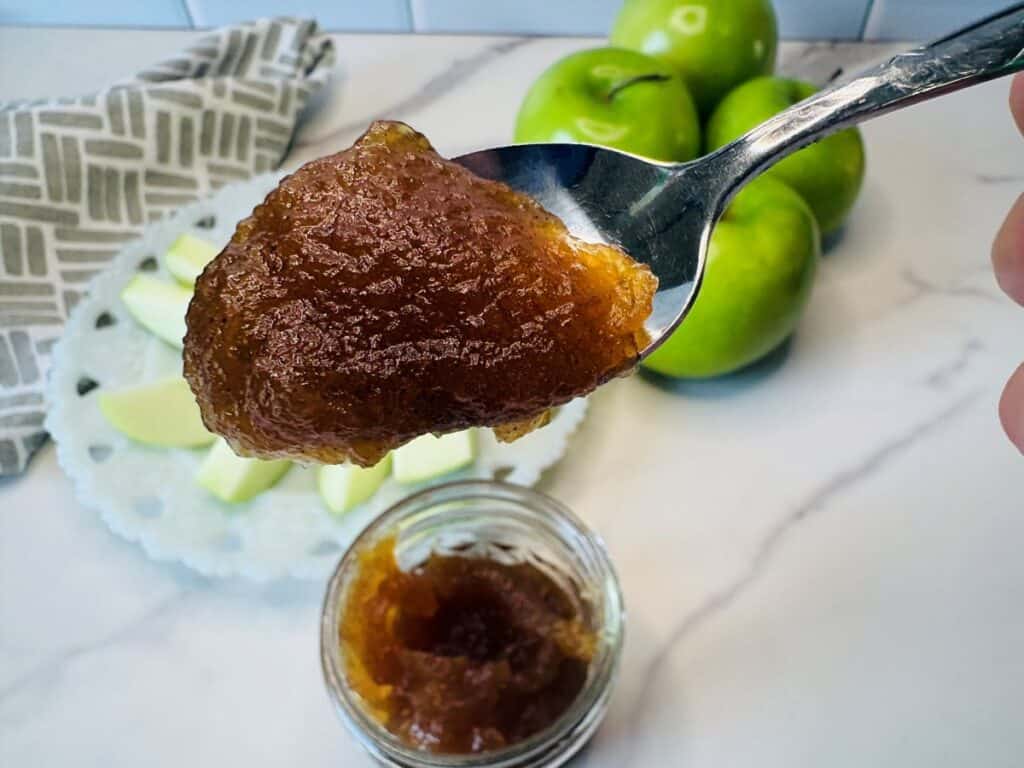
Apple butter dates back to European monasteries, where cooks simmered orchard fruit for hours to preserve it through the winter without sugar or ice. German settlers brought it to Pennsylvania in the 1700s, and by the time this cookbook was printed, making it on the stove was just something you did in the fall. I never met my grandma, but standing over this pot and stirring until it looks right feels like the closest I get to her.
Quick Facts
- Yield: 3 pints
- Total time: About 1 hour 15 minutes
- Method: Stovetop, no slow cooker
- Storage: Water bath canning or freezer
- Skill level: Beginner friendly
- Ingredients: 6 (cider, Granny Smith apples, sugar, cinnamon, cloves, ginger)
- No pectin needed. Apple butter thickens on its own as the water cooks out.
- The cider reduction is the key step. Four quarts boils down to two in about 30 minutes, and that is where the flavor comes from.
- Granny Smiths hold up best. They stay tart enough to balance the sugar, and they break down cleanly.
- You need an immersion blender (or a regular blender, working in batches) to get it smooth at the end.
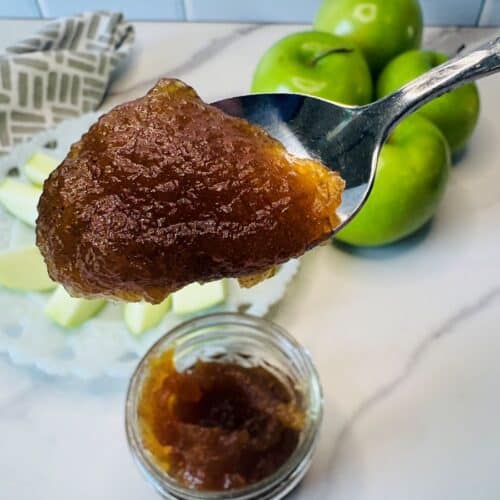
- Not the same as applesauce. Apple butter cooks longer, thickens more, and gets that deep caramel color and spiced flavor.
What Each Ingredient Does
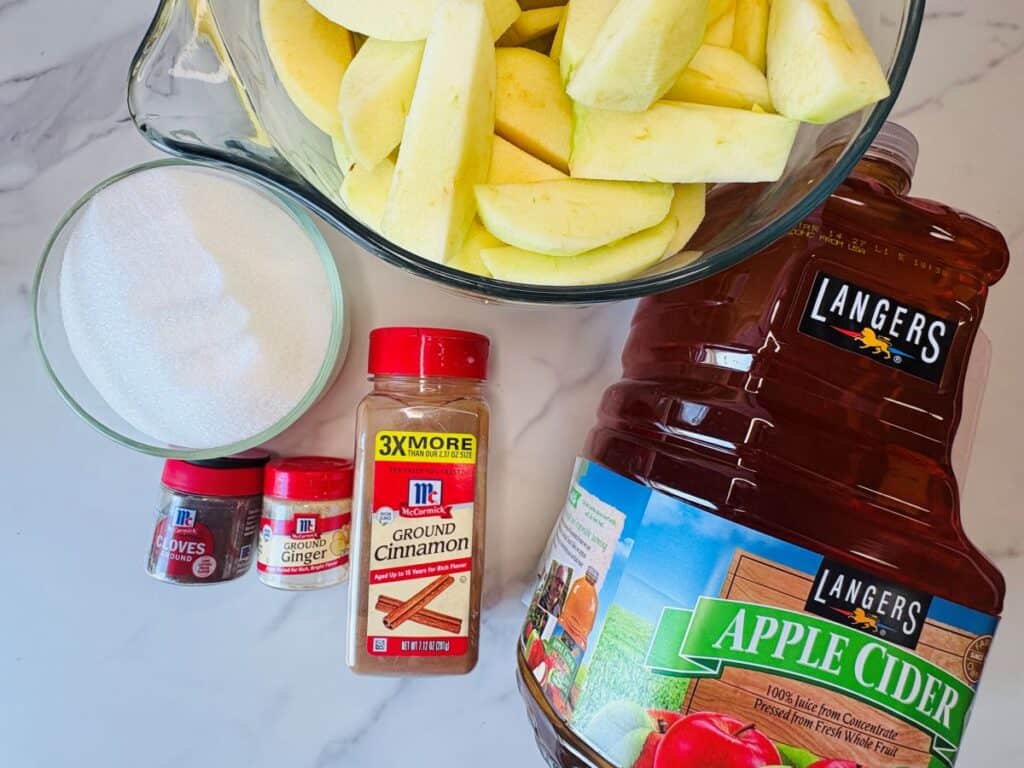
- Apple cider. Boiled down to half, it becomes a concentrated apple flavor base. Fresh unfiltered cider, not clear juice.
- Granny Smith apples. The tartness keeps two cups of sugar from tasting flat, and they break down cleanly instead of turning watery.
- Sugar. Sweetens and thickens, plus it gives you that deep brown color as it cooks.
- Cinnamon. The warm spice everyone expects in apple butter.
- Cloves. Just a half teaspoon, but it’s what makes this taste old-fashioned instead of like spiced applesauce.
- Ginger. A little brightness at the back end so it isn’t one-note sweet.
Tips for Success
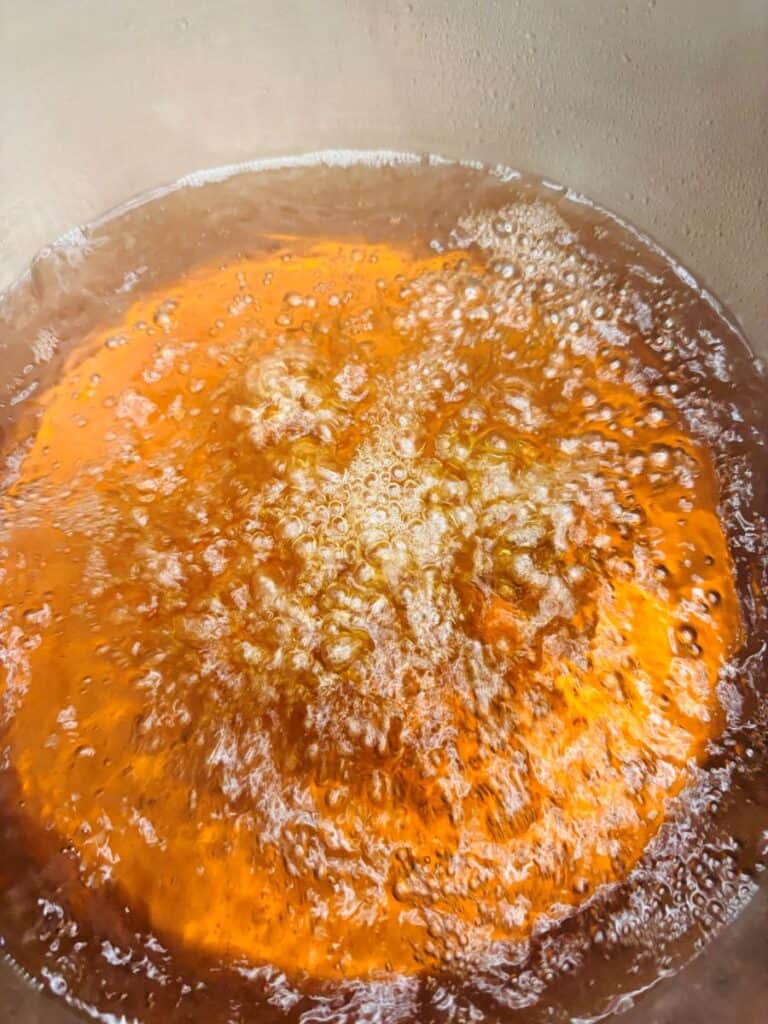
- Don’t rush the cider reduction. Thirty minutes at a hard boil is what gets you from four quarts to two. If you cut it short, your apple butter will take twice as long to thicken later, and the flavor won’t be as deep.
- Use a heavy-bottomed pot. Thin pans create hot spots, and apple butter scorches fast once the sugar goes in. A Dutch oven is your best friend here.
- Stir more than you think you need to. After the sugar and spices are in, this is the stage where batches get ruined. Scrape the bottom and the corners every few minutes.
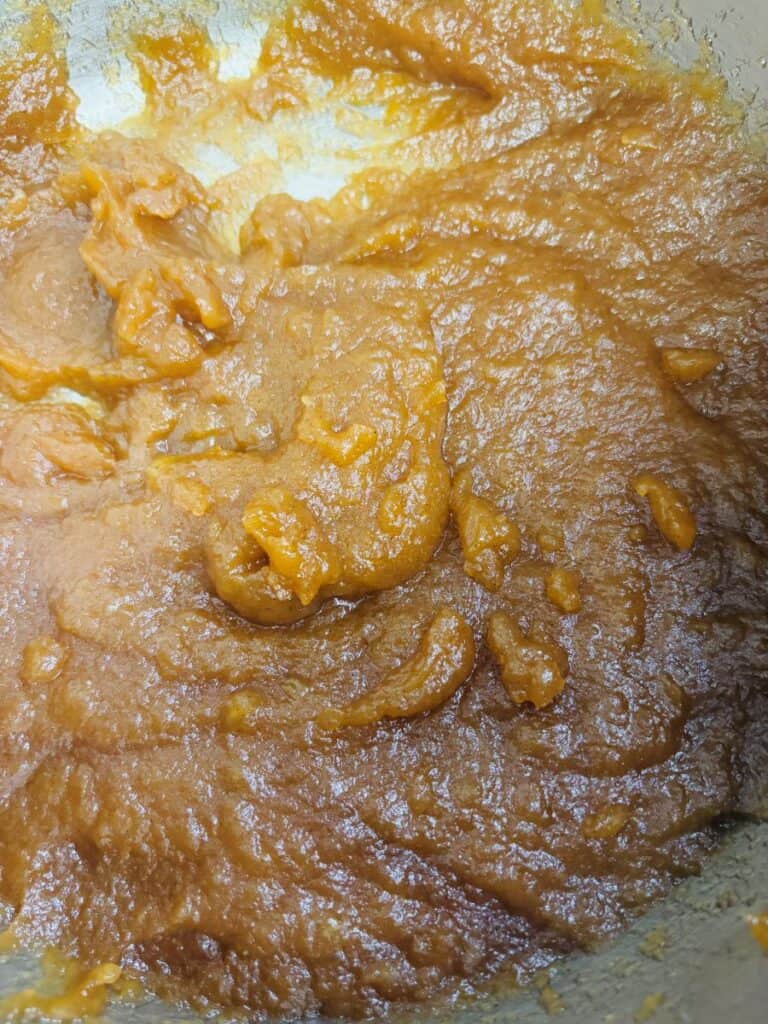
- Know when it’s actually thick enough. Drag a spoon across the bottom of the pot. If the trail holds for a second before filling back in, you’re done. You can also spoon a little onto a cold plate and see if liquid pools around the edges.
- Taste before you jar it. Spices mellow as it cooks. If it needs more cinnamon or cloves, add them now while you can still stir them in.
- It thickens as it cools. Pull it a touch looser than you want the finished product to be.
- Freezing is the easy route. If you’re not set up for water bath canning, leave an inch of headspace in the jars and freeze. It keeps about a year.
- Make it a day ahead if you can. The flavor rounds out overnight and tastes better on day two than it does straight off the stove.
Why You’ll Love Apple Butter
- Six ingredients, all of them ordinary. Cider, apples, sugar, and three spices you already have in the cabinet. No pectin, no special equipment, nothing you have to order.
- It doesn’t take all day. Most apple butter recipes tie up a slow cooker for eight or ten hours. This one is done in less than 2 hours because the cider reduction does the heavy lifting up front.
- The flavor is deeper than any slow cooker version. Boiling four quarts of cider down to two concentrates the apple flavor before the fruit ever goes in. That’s the whole trick, and it’s the reason this 1940s method has stuck around.
- You don’t have to know how to can. Water bath it if you want, or just pour it into jars and freeze. Both work.
- It makes a genuinely good gift. Three pints means one for you and two to hand out. A jar with a ribbon on it does more work at the holidays than anything you can buy.
- Your house will smell incredible. Cider, cinnamon, and cloves simmering for an hour is better than any candle you own.
Substitutions and Variations
Apple juice for cider. It works, but you’ll lose depth. Cider has sediment and body that plain juice doesn’t, so if juice is all you can get, reduce it a little further and add an extra pinch of cinnamon.
Other apples for Granny Smith. Honeycrisp, Jonathan, McIntosh, and Braeburn all work. Aim for something tart and firm. Red Delicious is the one to skip because it turns watery and mealy.
Brown sugar for white. Swap all or half of it, and you get a molasses note and a darker color. Popular in old Pennsylvania Dutch versions.
Less sugar. Cut down to a cup and a half if your apples are sweet. It just takes a little longer to thicken.
Ground spices for whole. If you have whole cloves or a cinnamon stick, tie them in cheesecloth and pull them out before blending.
Pumpkin pie spice. A tablespoon of it stands in for the cinnamon, cloves, and ginger.
Salted caramel apple butter. Add half a teaspoon of salt and swap the sugar for brown sugar. Tastes exactly like it sounds.
Spiced with a splash. Stir in a tablespoon of bourbon or dark rum in the last five minutes. The alcohol cooks off, leaving the warmth.
Vanilla apple butter. A teaspoon of vanilla extract at the end softens the spices and makes it taste almost like pie filling.
Extra spicy. Double the cloves and ginger and add a quarter teaspoon of allspice or nutmeg for a stronger old-fashioned flavor.
Chunky style. Skip the immersion blender and mash by hand with a potato masher. Better on biscuits, harder to spread on toast.
Maple apple butter. Replace 1 cup of sugar with 1 cup of real maple syrup. Add it in the last twenty minutes so it doesn’t cook off.
No sugar added. Leave the sugar out entirely and lean on very sweet apples like Fuji or Gala. It’ll be thinner and tarter, and it needs to be frozen rather than canned.
Storage Tips
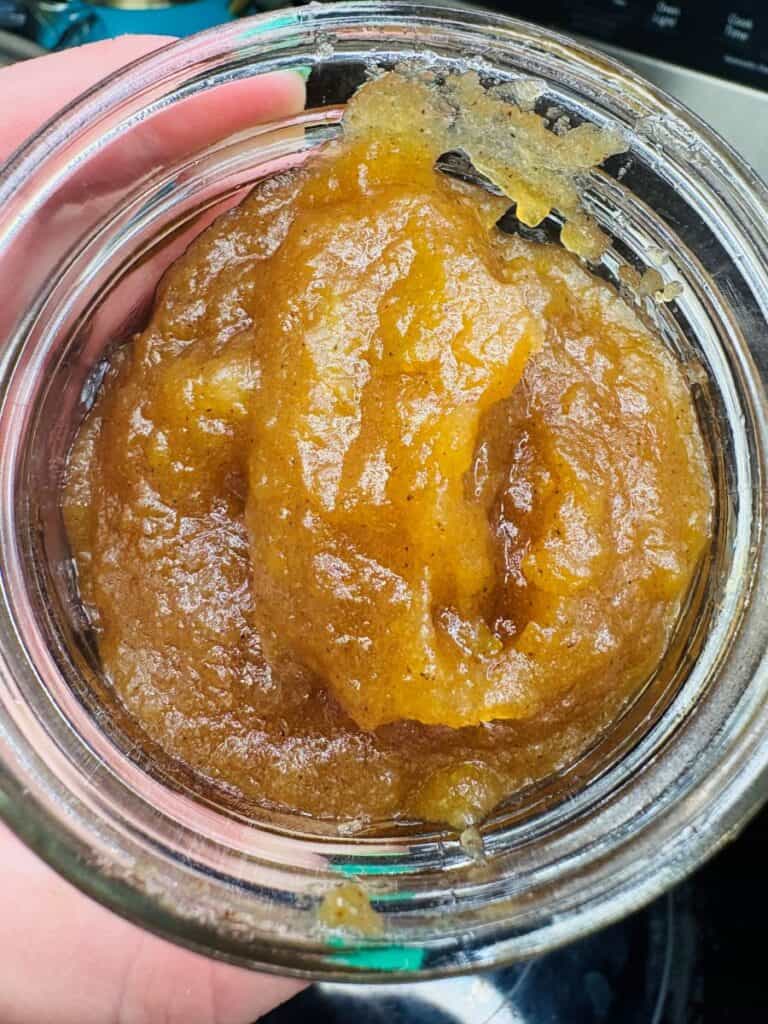
In the refrigerator: Once opened, or if you’re skipping preservation altogether, apple butter keeps for about 2 to 3 weeks in a sealed jar in the fridge. Use a clean spoon every time so you’re not introducing anything that shortens its life.
In the freezer: This is the easiest option and the one I use most often. Pour it into freezer-safe jars or containers, leave a full inch of headspace so it has room to expand, and let it cool completely before it goes in. It keeps about a year. Thaw overnight in the fridge.
Water bath canning: If you want shelf-stable jars, ladle the hot apple butter into hot, sterilized jars, leaving a quarter inch of headspace, wipe the rims clean, and process pints for 10 minutes in a boiling water bath. Adjust for altitude if you’re above 1,000 feet; add 5 minutes. Sealed jars keep 12 to 18 months in a cool, dark cupboard.
Check your seals. After 12 to 24 hours, press the center of each lid. If it flexes or pops, that jar didn’t seal. Move it to the fridge and use it first.
A few things to know:
- Let jars cool completely before moving them so the seal sets properly.
- Apple butter thickens as it chills, so what looks slightly loose in the pot will firm up in the jar.
- Some darkening on top over time is normal and doesn’t mean it’s gone bad.
- If you ever see mold, fizzing, or an off smell, throw the whole jar out. Don’t scrape and save it.
Frequently Asked Questions
Why is my apple butter runny? It needs more time. Apple butter thickens by evaporation, so keep it uncovered over low heat and let more water cook out. If it’s been an hour and it’s still thin, turn the heat up slightly and stir constantly.
Why is my apple butter grainy? The apples weren’t cooked tender enough before blending. Simmer them longer next time until they fall apart under a spoon. To fix a batch you’ve already made, run it through a fine-mesh strainer or a food mill.
Do I have to peel the apples? This recipe calls for peeled, but you can leave the skins on since an immersion blender handles them. The skins add pectin and a rosier color, though the texture won’t be quite as silky.
Why does it turn brown? That’s caramelization from the sugars cooking down, and it’s exactly what you want. Pale apple butter usually means it didn’t cook long enough.
Is apple butter actually butter? No dairy anywhere in it. The name refers to the smooth, spreadable texture, which is why it’s naturally vegan and dairy-free.
Can I double the recipe? Yes, but use a wide pot rather than a deep one and expect the cider reduction to take considerably longer. Big batches scorch more easily, so stay close to the stove.
What do I do with the strained juice? Don’t throw it out. Drink it warm, use it as the liquid in a pork roast, or simmer it down further into an apple syrup for pancakes.
Can I use a slow cooker instead? You can, but you’d still need to reduce the cider on the stove first, which defeats the point. The stovetop method is faster and gives you better control over the thickening.
Can I make it in an Instant Pot? The pressure-cooking stage works well for softening apples, but you’ll need to finish it sautéed with the lid off to thicken it. It’s not a time saver here.
Is apple butter a jam or a preserve? It’s a fruit butter, which is its own category. Jams use added pectin and hold fruit pieces, while fruit butters cook down longer and get their body from evaporation alone.
What to Serve with Apple Butter
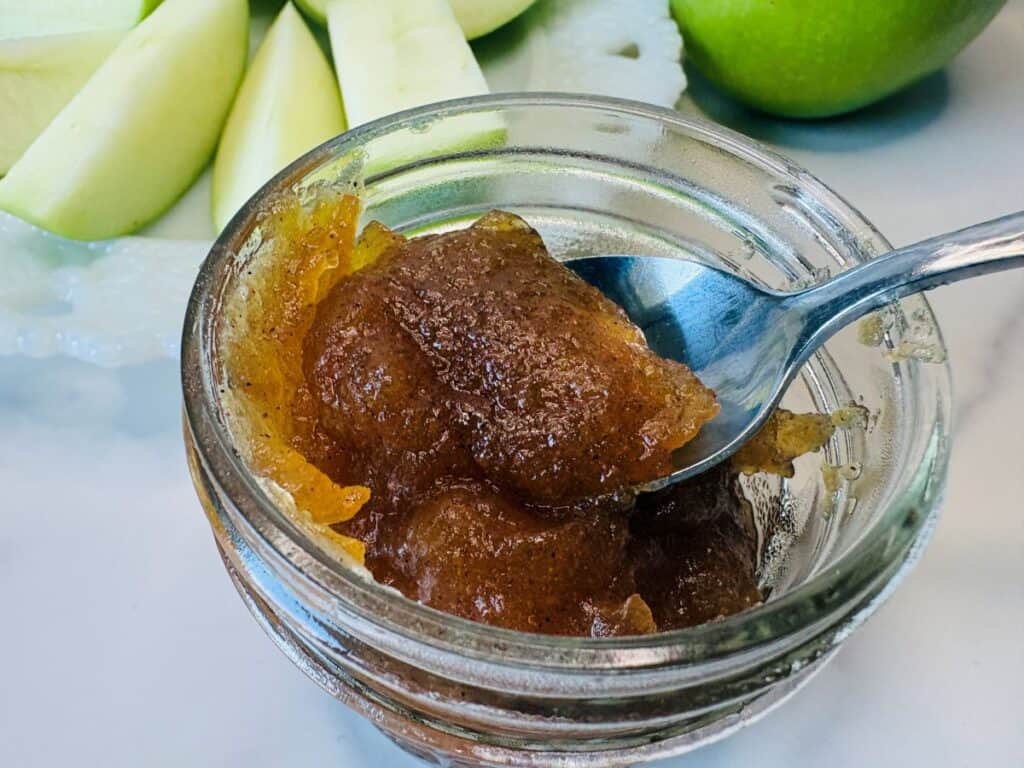
- On warm bread and biscuits. This is where apple butter belongs. Split a hot baking powder biscuit and spread it on while the steam is still rising, or use a slice of 1940s homemade bread. Slow cooker mock sourdough is good too if you want a little tang against the sweetness.
- With pork chops. This is the pairing worth planning a dinner around. I have a whole recipe for apple butter pork chops that uses a jar of this, and it’s the best reason I know to make a batch. It also works brushed over bacon-wrapped pork loin or served alongside a holiday ham.
- At breakfast. Swirl a spoonful into oatmeal, spread it on spice muffins, or skip the syrup on sweet milk griddle cakes and use this instead. A warm croissant with apple butter is a small upgrade to an ordinary morning.
- Baked into quick breads. Substitute apple butter for the applesauce in applesauce bread, and you get a darker, spicier loaf with more depth. The same swap works in muffins and coffee cakes.
- On a grilled cheese. Sharp cheddar and apple butter on sourdough. Sounds odd, tastes like something you’d order at a restaurant.
- Next to a bowl of soup. Buttered bread with apple butter turns butternut squash soup into a real dinner.
- On a holiday cheese board. A small bowl of it beside aged cheddar, brie, or gouda with crackers and toasted pecans. Easy addition to your Thanksgiving spread or Christmas brunch table.
- A few more ways to use it. Fill gingerbread thumbprint cookies with it, spoon it over vanilla ice cream with a crumbled gingersnap on top, brush it on roasted chicken in the last ten minutes, stir it into mashed sweet potatoes, or use it instead of jelly on a peanut butter sandwich.
- Want more apple? Browse all of my apple recipes and fall baking favorites.
Other Recipes You May Enjoy
If you like Apple Butter, you might also like my Apple Pan Dowdy or my Apple Crisp without Oats. These Baked Apple Donuts are also delicious.
Apple Butter

Equipment
Ingredients
Instructions
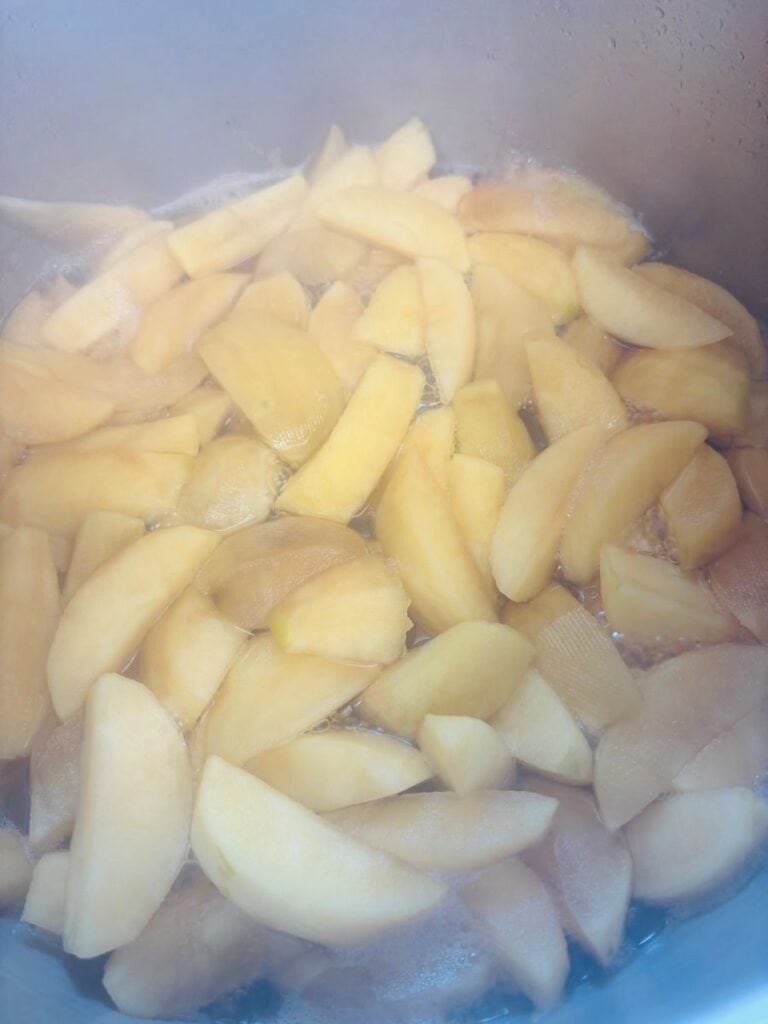
- In a large pot, boil the apple cider until it is reduced to 2 quarts (about 30 minutes).
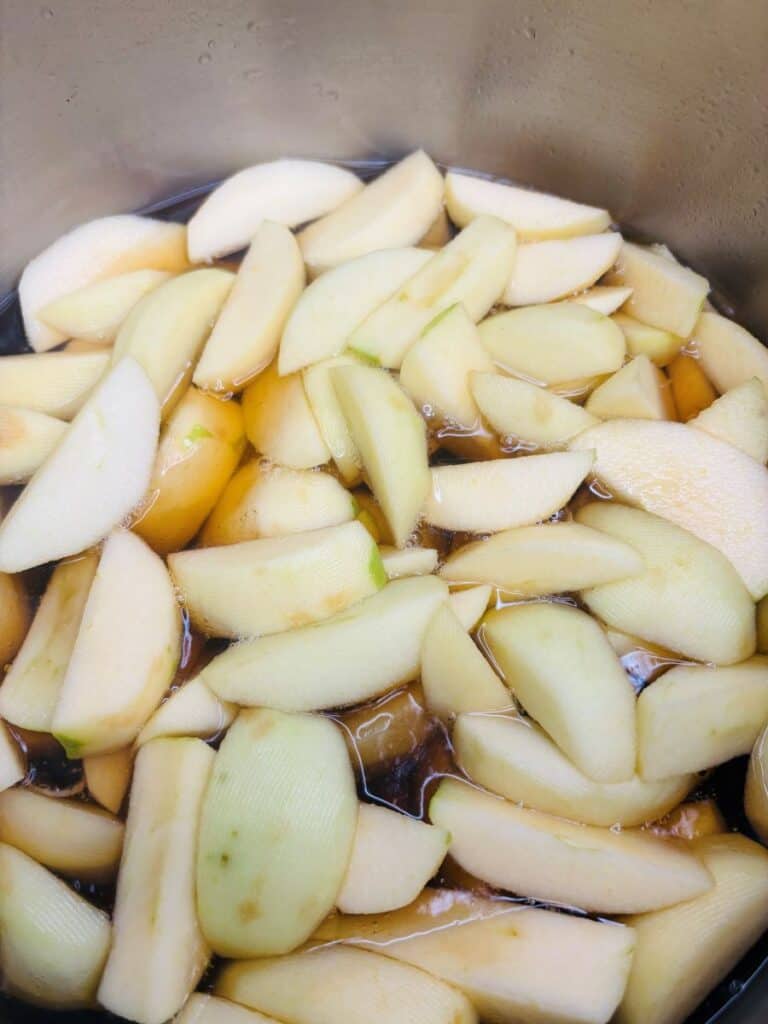
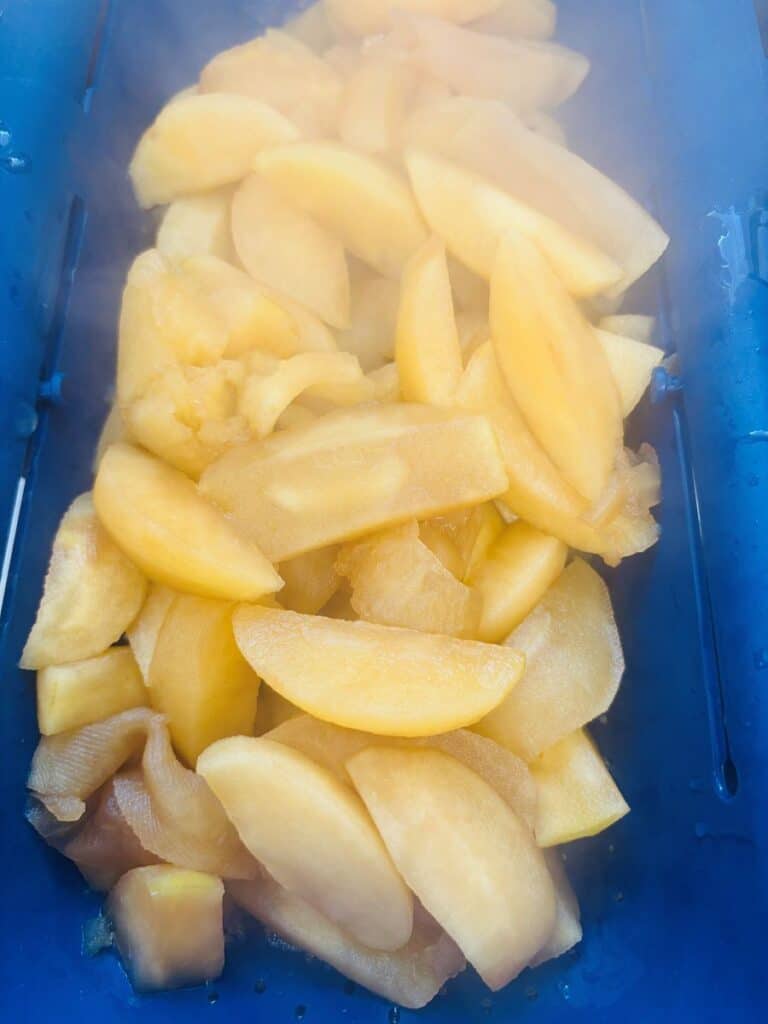
- Add peeled, cored, and quartered apples and cook until tender (about 10 minutes).
- Drain through a colander.
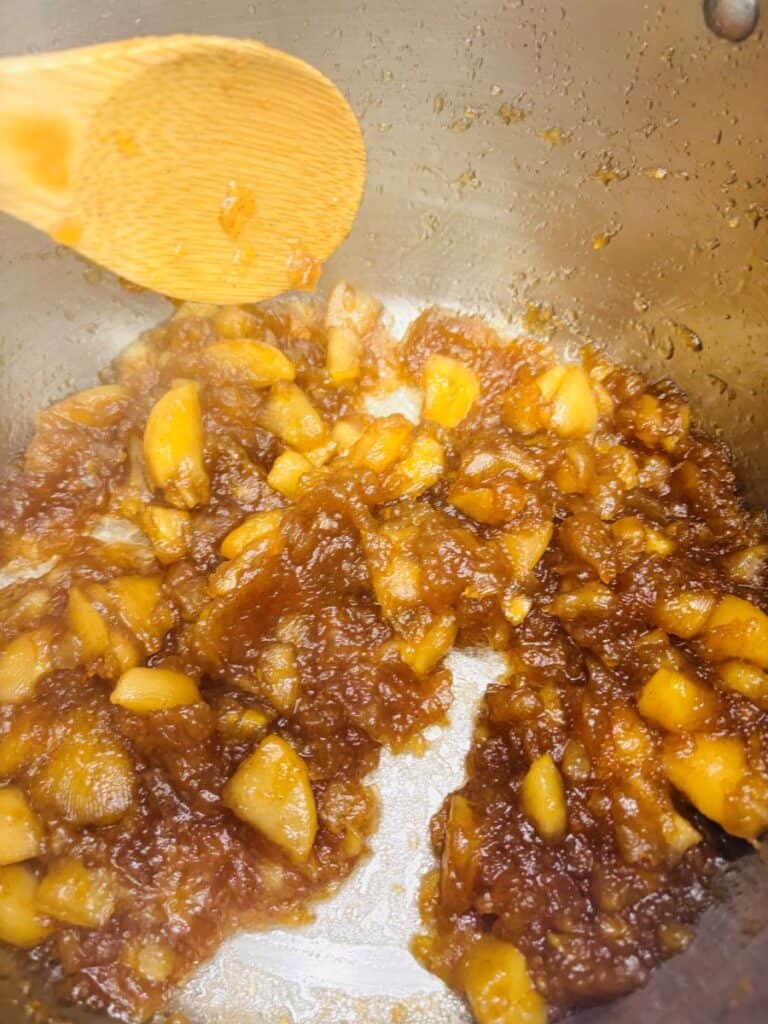
- Return to pot and add sugar, cinnamon, cloves, and ginger.
- Cook until thick. Stir often to prevent burning.
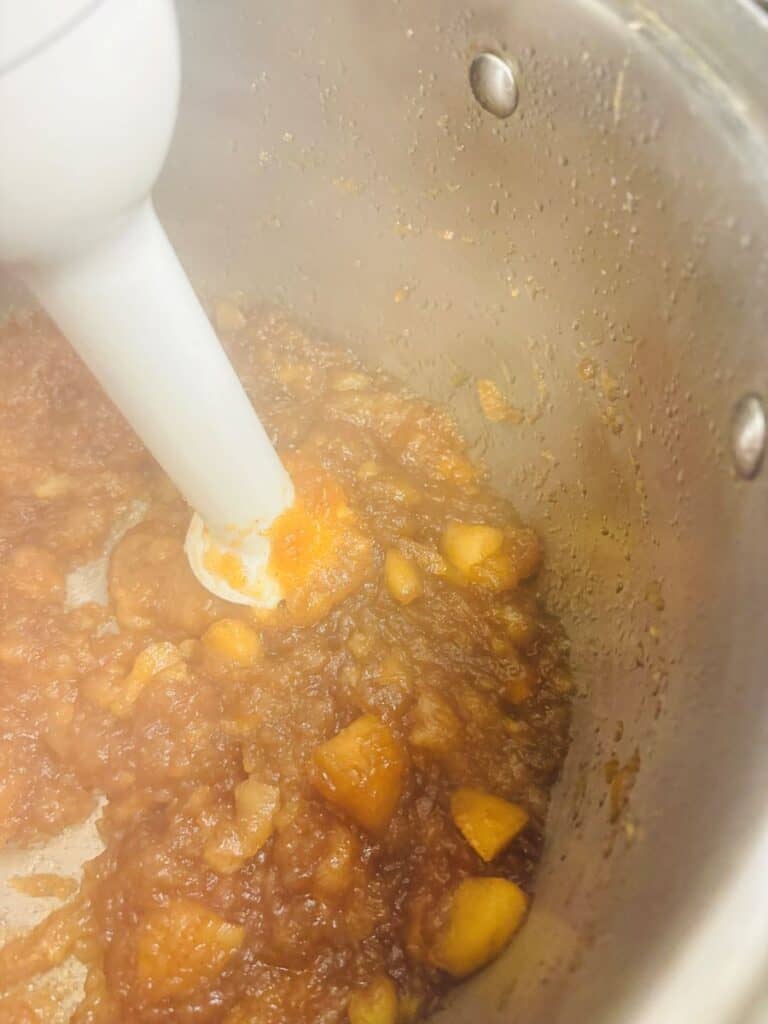
- Use an immersion blender to finish blending to desired texture.
- Pour into hot jars and seal or place in the freezer for long term storage without canning.
Notes
- Don’t rush the cider reduction. Thirty minutes at a hard boil is what gets you from four quarts to two. If you cut it short, your apple butter will take twice as long to thicken later, and the flavor won’t be as deep.
- Use a heavy-bottomed pot. Thin pans create hot spots, and apple butter scorches fast once the sugar goes in. A Dutch oven is your best friend here.
- Stir more than you think you need to. After the sugar and spices are in, this is the stage where batches get ruined. Scrape the bottom and the corners every few minutes.
- Know when it’s actually thick enough. Drag a spoon across the bottom of the pot. If the trail holds for a second before filling back in, you’re done. You can also spoon a little onto a cold plate and see if liquid pools around the edges.
- Taste before you jar it. Spices mellow as it cooks. If it needs more cinnamon or cloves, add them now while you can still stir them in.
- It thickens as it cools. Pull it a touch looser than you want the finished product to be.
- Freezing is the easy route. If you’re not set up for water bath canning, leave an inch of headspace in the jars and freeze. It keeps about a year.
- Make it a day ahead if you can. The flavor rounds out overnight and tastes better on day two than it does straight off the stove.
Amazon and the Amazon logo are trademarks of Amazon.com, Inc, or its affiliates.