How to Store Homemade Bread
Some of the links in this post are affiliate links. This means if you click on the link and purchase the item, I will receive an affiliate commission at no extra cost to you. All opinions remain my own.
As an Amazon Associate I earn from qualifying purchases.
Last Updated on March 10, 2026 by Heidi Bruaw
You spent all afternoon kneading, proofing, and baking that beautiful loaf of bread, and now it’s a masterpiece sitting on your counter. Learning how to store homemade bread properly is essential so that all that time and effort doesn’t go to waste.
Homemade bread doesn’t contain the preservatives found in store-bought bread. So, understanding how to preserve its texture and taste is vital to enjoying your homemade bread for days to come. It’s not just about keeping it from going stale but also about preventing mold and preserving the bread’s quality as long as possible.
How to store homemade bread for short-term use
It’s essential to consider factors like airflow, humidity, and container materials. If you want to enjoy your fresh homemade bread within a few days, follow these steps to keep it at its best.
Cool before storage
Your bread should be completely cool before storing. If you store it while it’s still warm, condensation can make the crust soggy.
Keep it unsliced
To maintain freshness, slice bread just before you eat it. Slicing exposes more of the bread to air, which makes the individual slice dry out faster.
Store on the counter
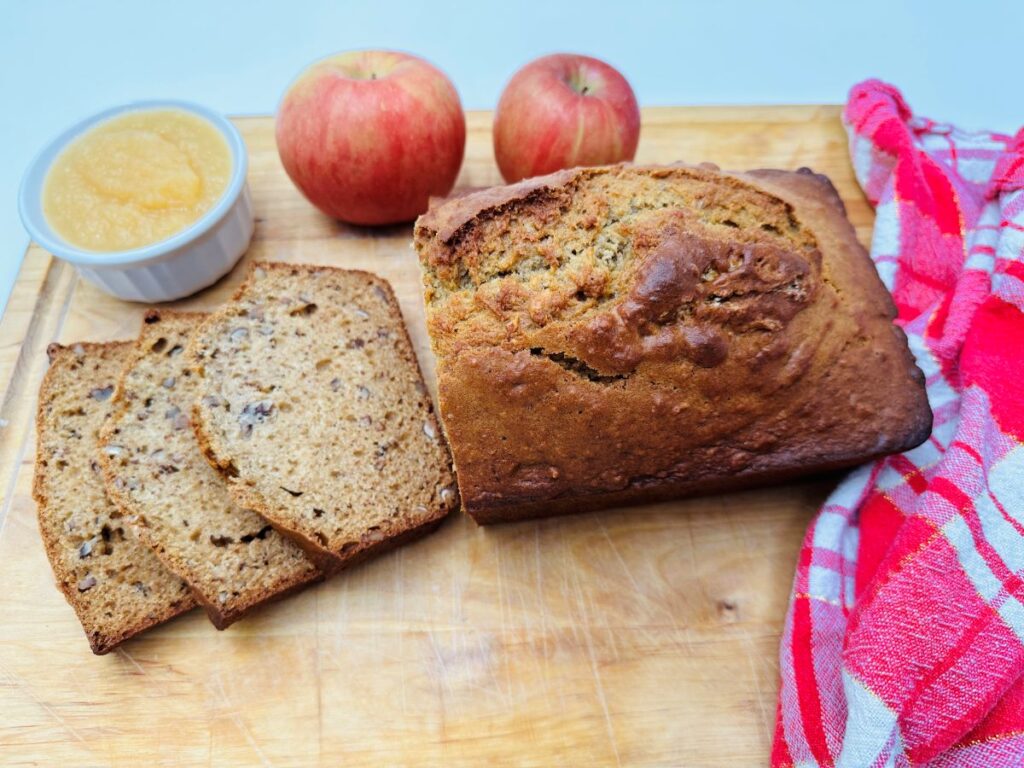
Storing bread on the counter is suitable for two to three days. Keep it cut-side down on a cutting board to protect the soft interior and prevent it from drying out.
Store in a bread box
A bread box provides the ideal environment for keeping bread fresh, as it is cool and dark with good airflow. If you don’t have a bread box, you can repurpose a container that allows for some airflow, like a Dutch oven or ceramic crock.
Store in a bag
A paper bag is another simple storage option. It allows for air circulation and also absorbs excess moisture. This works well for crusty loaves, such as baguettes or sourdough.
Plastic bags are not a good choice for storing homemade bread. They trap moisture, which can lead to mold growth.
A cotton bread bag also works well. It provides airflow, allowing the bread to breathe and keeping it from drying out quickly.
Use kitchen towels
Kitchen towels are a simple and readily available way to store homemade bread. Wrapping the bread in a clean kitchen towel protects it from air and light, which can stale it.
Location and temperature control
No matter what you store your bread in, keep it away from direct sunlight and heat. Both of these can cause it to become stale prematurely.
“I make bread weekly. Once it’s completely cooled, usually on the counter overnight covered with a towel, I put it into a Dutch oven. It keeps the bread fresh without plastic bags and looks pretty on my stovetop.”
— Renee N Gardner, Renee Nicole’s Kitchen
Types of homemade bread that stay fresh longer
When you bake bread at home, some types remain fresh for extended periods. Breads with added fat or sugar, like brioche or challah, stay fresh longer, while breads with less fat, like baguettes, dry out more quickly. The fat and sugar help slow down the evaporation of moisture from the bread.
The fermentation process used to make sourdough bread makes the bread more acidic. This creates a less favorable environment for mold growth, keeping it fresh longer.
Rye flour is dense and has less gluten than wheat-based flour. It holds onto moisture better than wheat-based flour, which gives rye bread a longer shelf life.

Should you refrigerate homemade bread?
Storing your homemade bread in the refrigerator is rarely a good choice. Refrigeration can make bread stale faster due to the process of starch retrogradation.
In this process, the starch molecules in bread recrystallize rapidly at cool temperatures, making the bread tough and dry. The refrigerator is only a good idea if you live in a very humid environment and are worried about mold growth.
How to use up stale bread
If your homemade bread starts to go stale, don’t toss it. There are plenty of delicious ways to give your bread a second life and reduce food waste. Below are creative ideas for using up a slightly stale loaf.
- Croutons: Cube your bread and toss it with olive oil, salt, and your favorite seasonings. Bake until crispy and add to salads or soups.
- Bread pudding: Revive your stale bread by mixing it with milk, eggs, sugar, and spices before baking to create a sweet or savory pudding.
- French toast: Dip your bread slices in a mixture of beaten eggs, milk, and a pinch of cinnamon. Fry the French toast slices until golden brown for a classic breakfast treat.
- Breadcrumbs: Bake the bread slices at a low temperature until dry and crisp. Then, use a food processor to make breadcrumbs. You can use them for coatings, casserole toppings, or in dishes like meatloaf.
How to store homemade bread for long-term use
While freezing isn’t ideal for short-term storage, it’s the best option for long-term storage. Proper wrapping is essential to prevent freezer burn and textural changes. Double-wrap your whole loaf tightly in plastic wrap and again in aluminum foil.
This double layer protects the bread from air exposure. Label and date your wrapped loaf before placing it in the freezer, where it will stay fresh and delicious for up to three months.
When you’re ready to enjoy it again, thaw the loaf overnight in the refrigerator or at room temperature for a few hours. While freezing alters the texture slightly compared to fresh bread, you can enjoy your homemade masterpiece long after it’s baked.
Summing up
With a bit of planning and these storage tips, you can enjoy your homemade bread for days, savoring the flavor and texture of your baking accomplishment. So next time you bake a loaf, you feel confident your hard work won’t go to waste.
This article originally appeared on Food Drink Life.

Amazon and the Amazon logo are trademarks of Amazon.com, Inc, or its affiliates.