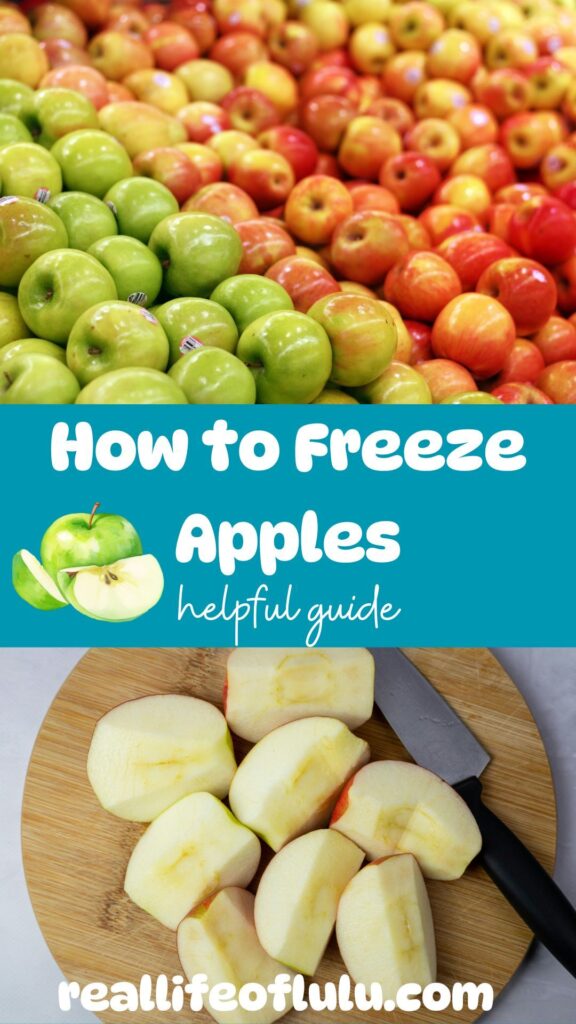
How to Freeze Apples
Some of the links in this post are affiliate links. This means if you click on the link and purchase the item, I will receive an affiliate commission at no extra cost to you. All opinions remain my own.
As an Amazon Associate I earn from qualifying purchases.
Last Updated on September 5, 2025 by Heidi Bruaw
Apples are a beloved staple in kitchens everywhere, but their abundance can sometimes lead to waste. Instead of letting extra apples soften on the counter, freezing is an excellent way to lock in their flavor and stretch their usefulness. This simple preservation method ensures you can enjoy the fruit’s natural sweetness even months later in pies, sauces, or smoothies.

Why Freezing Apples Is Worth It
Apples are a wonderfully versatile fruit, perfect for snacking, baking, or adding a touch of natural sweetness to savory dishes. However, they don’t last forever, and when you have a surplus, finding ways to use them quickly can be a challenge. Freezing helps prevent waste and lets you take advantage of seasonal harvests without the pressure to use them all at once.
While freezing slightly alters the texture of apples, it doesn’t diminish their flavor. They work beautifully in cooked recipes like pies, cobblers, or oatmeal. Having frozen apples on hand makes meal prep more efficient, especially during busy weeks when you want to prepare something delicious without extra effort.
Preparing Apples For Freezing
Start by selecting firm, fresh apples. Wash them thoroughly under cold running water to remove any dirt or wax. Peel the apples if the recipe you’ll use them for requires it, but you can leave the skin on for smoothies or sauces.
Next, decide how to cut the apples. Slices are ideal for pies and crisps, while chunks work well in sauces or soups. Core the apples and slice or chop them into your preferred size.
To prevent browning, soak the apple pieces in a mixture of water and lemon juice for a few minutes. This step is optional but highly recommended for keeping the apples visually appealing after freezing.

Packing and Freezing Apples
Dry the apple pieces thoroughly with a clean towel before freezing to prevent ice crystals from forming. Spread them in a single layer on a baking sheet lined with parchment paper. Freeze until the apples are firm. This step, known as flash freezing, keeps them from clumping together.
Once frozen, transfer the apples to freezer-safe bags or containers. Remove as much air as possible to avoid freezer burn. Flattening the bags saves space and allows for even freezing. Be sure to label the bags with the date and portion size for easy use later. Use frozen apples within six to nine months for optimal flavor and texture.
“My favorite trick for freezing apples is to slice them, toss them in lemon juice, and freeze them flat on a tray before bagging them up. Honeycrisp apples are my top pick — they hold their flavor beautifully and are ready for pies or crisps whenever I need them.”
— Bitty, Eight Recipes
Using Frozen Apples
Frozen apples are incredibly versatile. You can use them straight from the freezer for most recipes. Toss them into pies, crisps, or cobblers without defrosting, or add them directly to smoothies for a naturally sweet, icy texture.
If you need thawed apples, place them in the refrigerator overnight for a gentle defrost or use a microwave for quicker results. Thawed apples will be softer, making them ideal for baking or cooking.
Avoid using frozen apples in recipes requiring a firm texture, such as salads. For those, stick with fresh apples.

Tips For Freezing Success
Try freezing apples in the portions you typically use to make cooking simpler, and mixing apple varieties to add depth of flavor to your dishes. Organized cooks also often create a freezer inventory. This helps you make the most of your supply and avoid forgetting food buried in the back of the freezer.
Recipes That Work Well With Frozen Apples
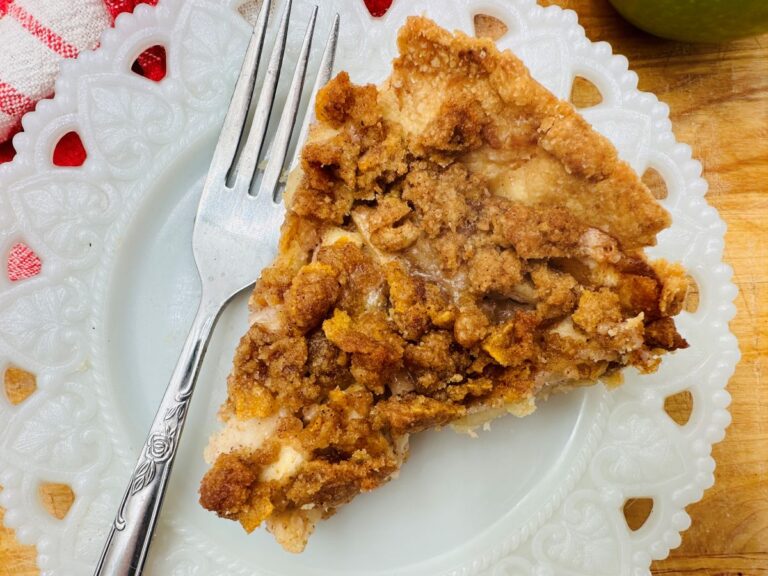
Frozen apples shine in cozy, comforting recipes. Use them in classic desserts like apple pie, turnovers, or crisps. They’re also perfect for apple butter, compotes, or chutneys.
For breakfast, toss frozen apple chunks into oatmeal, pancakes, or muffins. Apples are also a wonderful addition to savory meals, like slow cooker pork roast or roast chicken. Try adding them to seasonal root vegetables and roasting them for a festive flavor near the holidays.
Final Thoughts
Freezing apples is an excellent way to preserve their flavor and versatility. With proper preparation and storage, you can enjoy the convenience of having ready-to-use apples year-round. Whether you’re baking a holiday dessert or making a quick smoothie, frozen apples help reduce waste and simplify meal prep.
This article originally appeared on Food Drink Life.
Amazon and the Amazon logo are trademarks of Amazon.com, Inc, or its affiliates.