
Cottage Cheese Bread Recipe
Some of the links in this post are affiliate links. This means if you click on the link and purchase the item, I will receive an affiliate commission at no extra cost to you. All opinions remain my own.
As an Amazon Associate I earn from qualifying purchases.
Last Updated on August 10, 2026 by Heidi Bruaw
A few months ago, I made my grandma’s bread using her 1940’s recipe. After I posted that, a family friend shared her favorite bread recipe, Cottage Cheese Bread. I’ve held onto it for a year and finally decided to make it this past weekend.

I made this bread using my KitchenAid stand mixer with the dough hook attachment. Since I didn’t get my stand mixer until a few months ago, I hadn’t used the dough hook before. It was nice not to knead by hand and get all sticky and messy!
Quick Facts
- Recipe Name: Cottage Cheese Bread
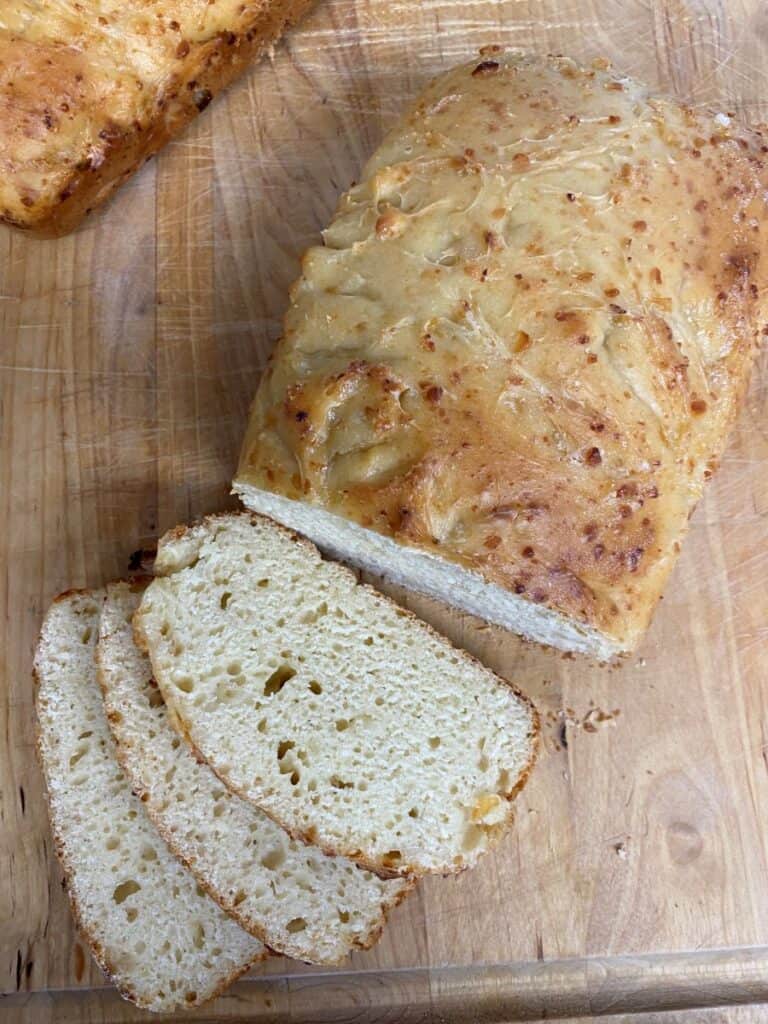
- Taste: Mild, slightly tangy, and lightly sweet with a soft, tender crumb
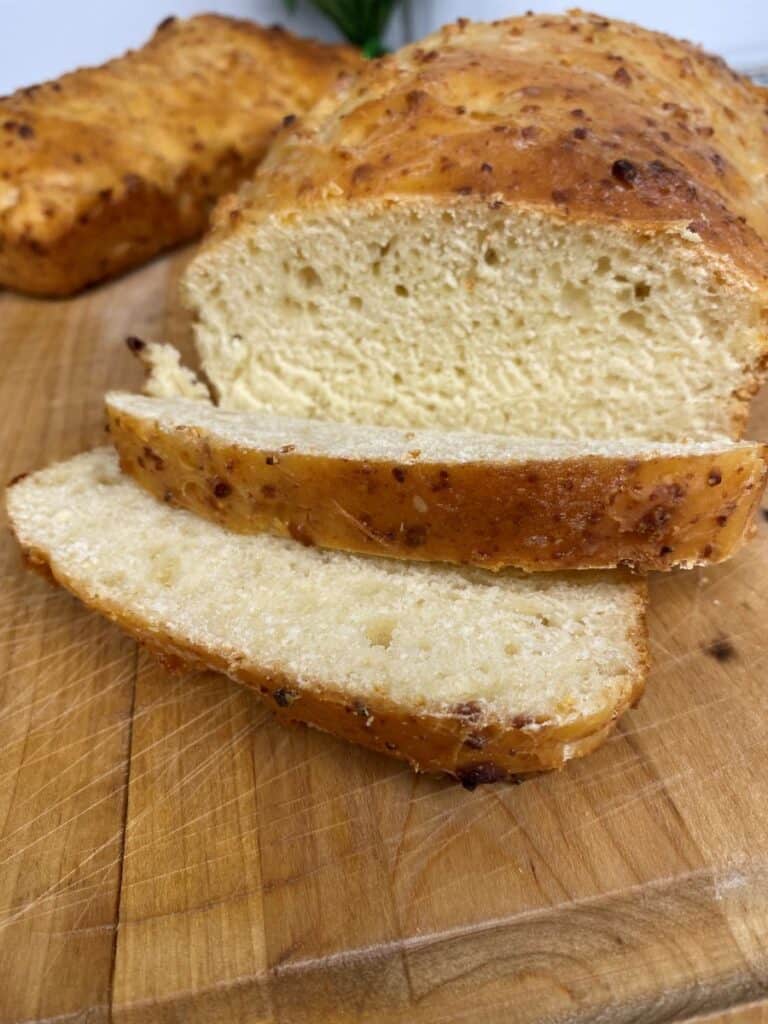
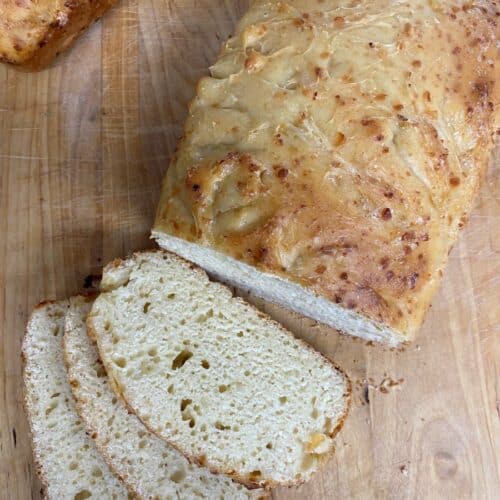
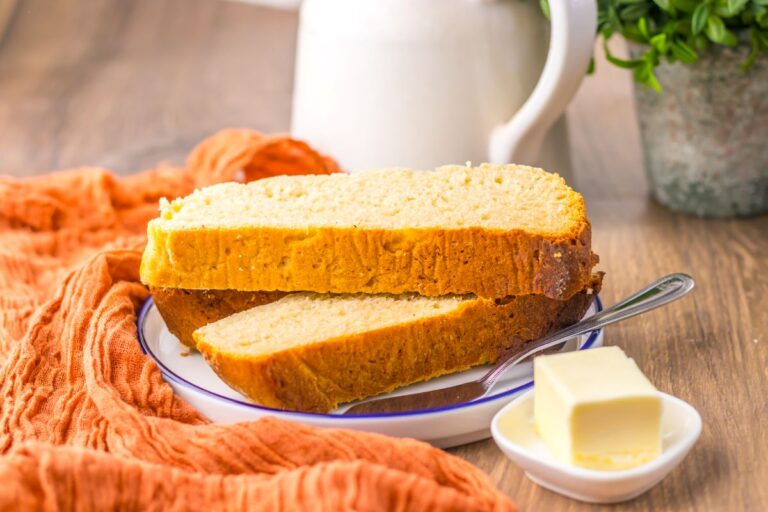
- Texture: Soft and fluffy on the inside with a golden, lightly crisp crust
- Skill Level: Intermediate (mostly because of the yeast and rise times)
- Prep Time: About 20 minutes
- Rise Time: About 2 hours total
- Bake Time: 30 minutes
- Total Time: About 2 hours 50 minutes
- Yield: 2 loaves or 1 large loaf
- Best For: Sandwiches, toast, breakfast, or serving alongside soups and stews
- Special Ingredient: Cottage cheese adds moisture, richness, and extra tenderness to the bread
Why You’ll Love this Recipe
A fun twist on homemade bread: If you’ve never baked with cottage cheese before, this recipe is a delicious surprise. It adds something a little different while still tasting like classic homemade bread.
Makes plenty to share: This recipe yields two loaves, which means one for now and one for later, or one to share with a neighbor, friend, or family member.
Perfect for everyday use: Whether you’re making toast in the morning, sandwiches for lunch, or serving bread with dinner, this loaf fits right in.
Simple pantry staples: No fancy ingredients here. Aside from cottage cheese and yeast, there’s a good chance you already have everything you need in your kitchen.
Old-fashioned homemade goodness: There’s something special about baking bread from scratch. The smell alone makes the house feel extra cozy.
Ingredients You Will Need
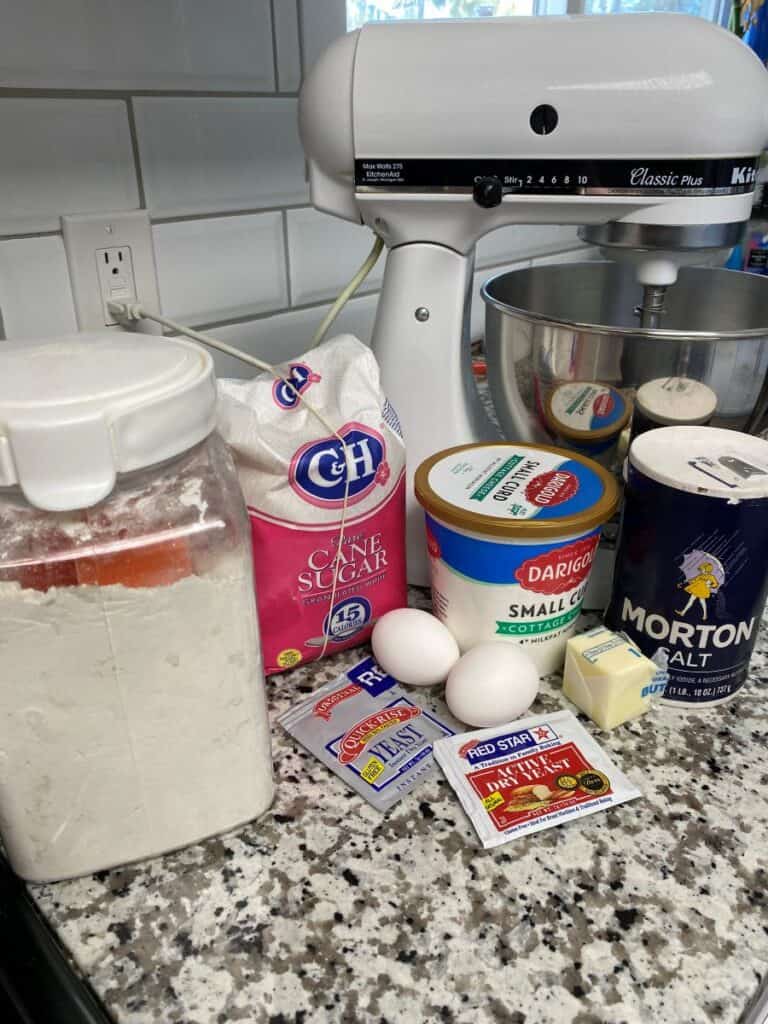
- Yeast: The yeast helps the bread rise, giving it a light, airy texture. Since this is a yeast bread, it’s what creates those soft, fluffy loaves.
- Lukewarm Water: Warm water activates the yeast and helps start the rising process. Be sure it’s lukewarm; too hot can kill the yeast, and too cold may slow things down.
- Cottage Cheese: Cottage cheese adds moisture and richness to the dough while helping create a soft, tender texture. It also adds a subtle, tangy flavor that makes this bread a little different.
- Sugar: Sugar lightly sweetens the bread and helps feed the yeast, encouraging a good rise. It also contributes to that beautiful golden color during baking.
- Salt: Salt balances the flavors and keeps the bread from tasting flat. It also helps control the yeast so the dough rises at a steady pace.
- Butter: Butter adds richness and flavor while helping keep the bread soft and tender.
- Flour: Flour provides the structure for the bread and forms the dough. As it’s kneaded, the flour develops gluten, which gives the loaf strength and texture.
- Eggs: Eggs add richness, color, and structure to the dough. They also help make the bread softer and more tender.
Helpful Tips
- Check your water temperature: Lukewarm water is key for activating the yeast. Aim for warm but not hot; if it feels comfortably warm on your wrist, you’re probably in the right range.
- Warm the cottage cheese gently: Slightly warming the cottage cheese helps it blend more easily into the dough and keeps cold ingredients from slowing down the yeast.
- Add flour gradually: Depending on humidity and your kitchen conditions, you may not need the exact same amount every time. Add the flour slowly, stopping when the dough is soft, slightly tacky, and easy to handle.
- Keep the dough moist: The instructions mention this, and it’s important here. Avoid adding too much extra flour, or the bread can turn dense instead of soft.
- Be patient with rise times: Yeast dough works on its own schedule. If your kitchen is cool, your dough may need a little extra time to double in size.
- Create a warm rising spot: If your kitchen is chilly, place the covered dough in a slightly warm (turned off) oven or near a sunny window to help it rise.
- Don’t skip kneading: Kneading helps develop the gluten, which gives the bread structure and that lovely homemade texture. The dough should feel smooth and elastic when ready.
- Grease your pans well: A well-greased loaf pan makes removing the bread much easier and helps prevent sticking.
- Check for doneness: The bread should be golden brown on top and sound slightly hollow when tapped. If you have an instant-read thermometer, the center should be around 190–200°F.
- Let it cool briefly before removing from the pan: Giving the bread 5–10 minutes in the pan helps it set up before transferring it to cool completely.
Substitutions and Variations
- Nuts and Seeds: Incorporate chopped nuts (walnuts, pecans) or seeds (sunflower seeds, pumpkin seeds) into the dough for added crunch and flavor.
- Herbs and Spices: Add dried herbs like rosemary, thyme, or oregano for a savory twist. Spices like cinnamon, nutmeg, or cardamom can infuse warmth and aroma.
- Cheese: Mix in grated cheese like cheddar, Parmesan, or feta for an extra layer of flavor and creaminess.
- Make It Sweeter: For a breakfast-style loaf, add a little extra sugar along with cinnamon and raisins or dried cranberries.
- Top It Before Baking: Brush the top with melted butter for a softer crust or an egg wash for a shinier finish. A sprinkle of oats, sesame seeds, or everything bagel seasoning can add extra flavor and texture.
- Shape It Differently: Instead of loaf pans, shape the dough into dinner rolls or one rustic round loaf baked on a cookie sheet for a more old-fashioned look.
Frequently Asked Questions
Can I use low-fat or fat-free cottage cheese? Yes, you can use low-fat or fat-free cottage cheese in the bread recipe, but keep in mind that using full-fat cottage cheese might yield a softer texture and richer flavor.
Can I substitute active dry yeast for instant yeast or vice versa? Generally, you can substitute active dry yeast for instant yeast, or vice versa, but you may need to adjust the rising time. Instant yeast usually requires less rising time than active dry yeast.
Why does my bread not rise properly? Several factors can affect rising, including expired yeast, improper temperature (too hot or too cold), or not giving the dough enough time to rise. Check the yeast’s freshness and follow the recipe’s rising instructions closely.
Can I use whole wheat flour instead of all-purpose flour? Yes, you can use whole-wheat flour, but keep in mind it might result in a denser texture. You might need to adjust the liquid amount slightly, as whole-wheat flour absorbs more liquid than all-purpose flour.
Storage Tips
- Store at Room Temperature: Keep the bread in an airtight container, bread bag, or tightly wrapped in plastic wrap at room temperature for up to 3–4 days. Avoid storing it in the refrigerator, as it can dry out the bread faster.
- Let It Cool Completely First: Make sure the bread is fully cooled before wrapping or storing it. Trapping warmth can create condensation, which may make the loaf soggy.
- Slice Only What You Need: If possible, leave the loaf whole and slice as needed. This helps keep the bread softer and fresher longer.
- Freeze for Later: This bread freezes beautifully. Wrap the loaf (or individual slices) tightly in plastic wrap, then place in a freezer bag or airtight container for up to 3 months.
- Freeze in Slices for Convenience: Freezing individual slices makes it easy to grab just what you need for toast or sandwiches without thawing the whole loaf.
- Thaw at Room Temperature: Let the loaf thaw on the counter for a few hours, or toast frozen slices straight from the freezer.
- Refresh Slightly Stale Bread: If the bread starts to lose some softness, warm slices briefly in the microwave for a few seconds or toast them to bring them back to life.
What to Serve with Cottage Cheese Bread
- Soup or Stew: This bread is perfect alongside a cozy bowl of soup or stew. Try it with tomato soup, beef stew, chicken noodle soup, or chili.
- Toast with Butter and Jam: A warm slice with butter and your favorite jam makes a simple but delicious breakfast or afternoon snack.
- Sandwiches: The soft texture makes this bread great for sandwiches. Use it for turkey, ham, egg salad, tuna salad, or a spicy grilled cheese.
- Egg Dishes: Serve slices alongside scrambled eggs, omelets, or breakfast casseroles for an easy breakfast or brunch.
- Salads: Pair it with a fresh salad for a light lunch or dinner. It goes especially well with deviled egg pasta salad, chicken salad, or a crisp garden salad.
- Cheese and Charcuterie Board: Slice it up and serve it with cheese, meats, fruit, and spreads for an easy snack board or casual gathering.
- Honey or Cinnamon Butter: For a slightly sweeter treat, spread warm slices with honey butter or cinnamon butter.
- Pasta Night: Skip the garlic bread and serve this homemade loaf with spaghetti, lasagna, or baked pasta dishes.
- Roast Chicken or Ham: This bread makes a wonderful side for comforting family dinners like roast chicken, ham, or pot roast.
- French Toast: If you have leftovers, try using thicker slices for French toast; the soft texture works really well.
Other Recipes You May Enjoy
If you like making bread, you may like one of my quick breads, like my Easy Pumpkin Bread or my Cinnamon Raisin Bread. You might also like my Recipe for Scones. If you have leftover cottage cheese, you may want to make this Cottage Cheese Alfredo Sauce or this Cottage Cheese Breakfast.
Cottage Cheese Bread

Equipment
Ingredients
- 2 Packages Yeast
- 1 Cup Water Lukewarm
- 2 Cups Cottage Cheese Warmed
- 4 Tablespoons Sugar
- 4 teaspoons Salt
- 2 Tablespoons Butter
- 5 Cups Flour
- 2 Eggs
Instructions
- Soften yeast in 1 Cup lukewarm water and let stand for a few minutes.
- Stir salt, butter, and sugar into yeast mixture.
- Add warm cottage cheese and eggs.
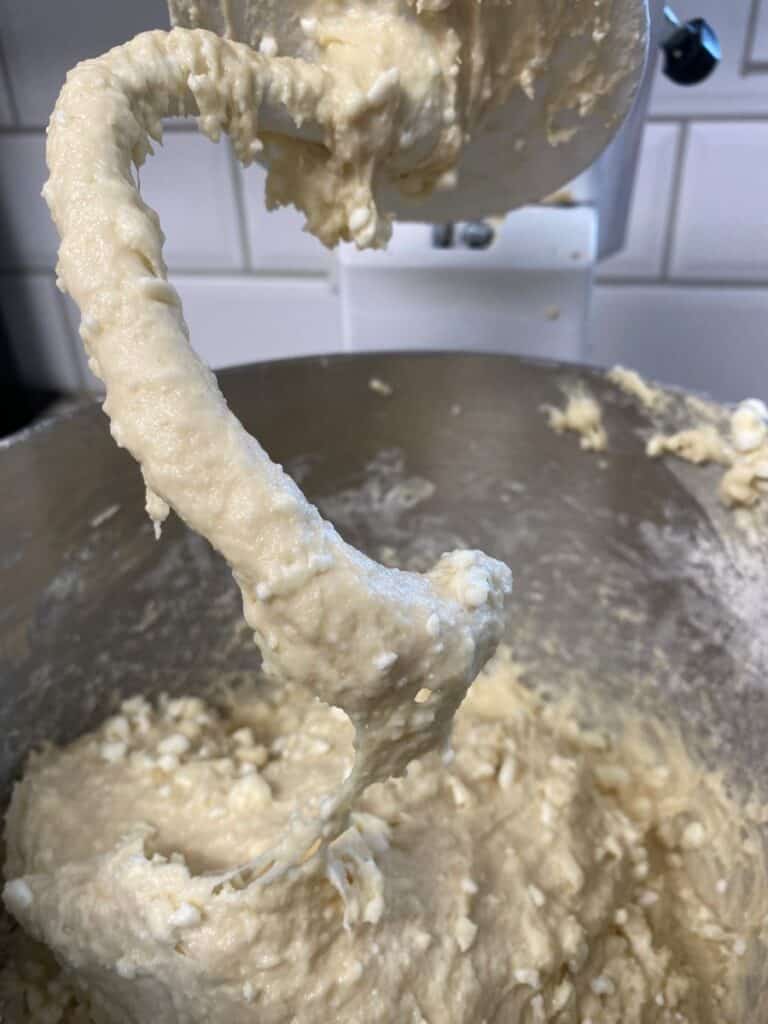
- Gradually add flour, keeping dough moist.
- Knead dough and allow to rise for at least one hour.
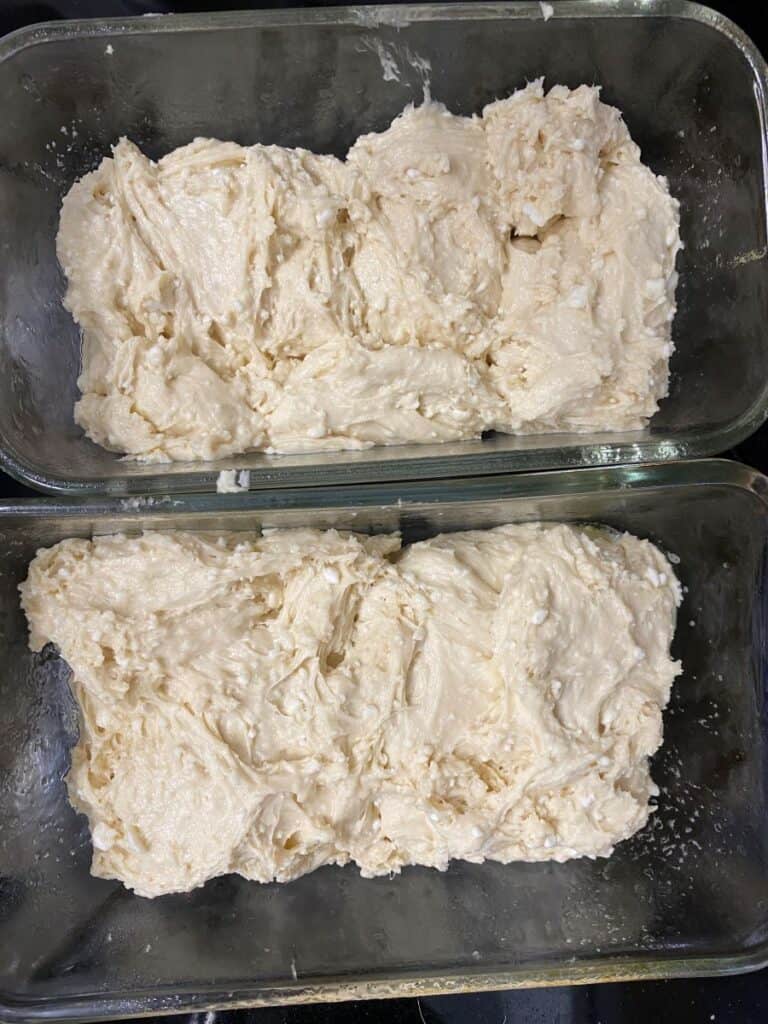
- Move dough to two loaf pans or make a large loaf and place on cookie sheet.
- Allow dough to rise again for at least one more hour.
- Bake at 350° for 30 minutes, or until top is golden brown.
- Cool for 5-10 minutes in pan then remove from pan to finish cooling.
Notes
- Check your water temperature: Lukewarm water is key for activating the yeast. Aim for warm but not hot; if it feels comfortably warm on your wrist, you’re probably in the right range.
- Warm the cottage cheese gently: Slightly warming the cottage cheese helps it blend more easily into the dough and keeps cold ingredients from slowing down the yeast.
- Add flour gradually: Depending on humidity and your kitchen conditions, you may not need the exact same amount every time. Add the flour slowly, stopping when the dough is soft, slightly tacky, and easy to handle.
- Keep the dough moist: The instructions mention this, and it’s important here. Avoid adding too much extra flour, or the bread can turn dense instead of soft.
- Be patient with rise times: Yeast dough works on its own schedule. If your kitchen is cool, your dough may need a little extra time to double in size.
- Create a warm rising spot: If your kitchen is chilly, place the covered dough in a slightly warm (turned off) oven or near a sunny window to help it rise.
- Don’t skip kneading: Kneading helps develop the gluten, which gives the bread structure and that lovely homemade texture. The dough should feel smooth and elastic when ready.
- Grease your pans well: A well-greased loaf pan makes removing the bread much easier and helps prevent sticking.
- Check for doneness: The bread should be golden brown on top and sound slightly hollow when tapped. If you have an instant-read thermometer, the center should be around 190–200°F.
- Let it cool briefly before removing from the pan: Giving the bread 5–10 minutes in the pan helps it set up before transferring it to cool completely.

Amazon and the Amazon logo are trademarks of Amazon.com, Inc, or its affiliates.




Yumm! That sounds like it would be delicious. Thanks for the receipt.
Thank you! I hope you like it. 🙂
This is a very unique bread Heidi. Hope
to make it someday. Thanks for sharing your recipe. Will 📌 on Pinterest.
Thank you! I hope you get to try it someday soon! 🙂
This sounds delicious! I never tried to add cheese to bread but it sounds like an amazing add on for a moist bread loaf! Thanks for sharing x
Thank you! I had never tried it either, but it definitely made it more moist. 🙂
Mixers are incredible! While I still handmix things like cookies and pie dough and cake sometimes too, it is nice to have dough hook on hand for the tougher recipes that take a lot of kneading.
I have never heard of cottage cheese bread, but it looks delicious! I hope to try it soon; I never have cottage cheese on hand but I am making a shopping list. 😉
Thanks for sharing!
Yes, mixers are lovely! I never realized how much I was missing, I guess. I’m so glad I have a stand mixer now!
Thank you; I hope you like it. 🙂
Wow pretty cool. I can imagine it must taste so good! Saved to my to cook recipe list!
Thank you! It is very good. Let me know if you try it. 🙂
I’ve never heard of cottage cheese bread before but it does look and sound delicious! And relatively simple to make! I’ll definitely be coming back to this recipe and giving it a go!!
Thank you! It is pretty simple, especially with a stand mixer. 🙂
Thanks for sharing – I’ve never tried cottage cheese bread but adore cottage cheese – so this might be a good fit. Thank you!
You’re welcome! I hope you like it. I actually detest cottage cheese but love this bread. 🙂
I have never heard of using cottage cheese in bread! Definitely trying it soon. Thank you!
You’re welcome! It is different but so yummy!
Oh this looks so yummy. I haven’t ever tried a cottage cheese bread before! Thanks for sharing the recipe.
You’re welcome. 🙂
Not at all! I love cottage cheese but milk as replacement? That’s a first. Also the recipe seems intriguing but for some reason I cant figure out the taste. I’ll try this some day to find out. Thanks for sharing such different recipes as always xx
Isa A. Blogger
I hadn’t heard of it either, but it doesn’t change the taste much (in my opinion). I love sharing my recipe finds! 🙂
I haven’t heard of this before. I haven’t tried cottage cheese before because the look of it alone puts me off. But I would be open to trying this. Thank you for sharing.
I am the same way! I hate cottage cheese, but I couldn’t tell it was in the bread. 🙂
Who doesn’t love the smell and taste of freshly baked bread?! Delicious! 🍞🥖😍
Right? It’s amazing!
I don’t believe I have ever had cottage cheese bread before. It looks so delicious. I got have to try it out.
Thank you! 🙂
This is such an interesting recipe, it’s not something I’ve heard of before. Great recipe x
Thank you so much!
Yummy! I really really need a stand mixer. I’m missing out. Love cheesy bread. Thanks for sharing x
Lynn | https://www.lynnmumbingmejia.com
Yes, you do! It’s a game changer, for sure! 🙂
I love bread, but I’ve never heard of Cottage cheese bread! This looks really nice; fluffy with a nice crunch on the outside. Thank you for sharing this recipe! I might have to give it a go x
Thank you! It was really good and my family ate it quickly! 🙂
I didn’t realise you could use cottage cheese instead but it sounds delicious
Thank you!
I really want to start making more bread and this bread sounds amazing!!! I will definitely be trying this out.
Thank you! It’s a good one. 🙂
I’m looking at this and I’m seeing eggs in the steps but not in the ingredients list- how many eggs?
2 eggs; I just fixed it! Thank you for catching my mistake. I hope you are able to make it and enjoy it. Let me know what you think. 🙂