
Old-Fashioned Cinnamon Candy (5 Ingredients, 1940s Recipe)
Some of the links in this post are affiliate links. This means if you click on the link and purchase the item, I will receive an affiliate commission at no extra cost to you. All opinions remain my own.
As an Amazon Associate I earn from qualifying purchases.
Last Updated on October 30, 2026 by Heidi Bruaw
Have you ever made candy before? I’m more of a baker myself, and I was nervous the first time I clipped a candy thermometer to the pan, but this old-fashioned cinnamon candy from my grandma’s 1940s cookbook turned out to be so easy! It’s a homemade hard candy made with just 5 ingredients (brown sugar, butter, corn syrup, ground cinnamon, and water) cooked on the stovetop to 275 to 280°F, then poured onto a pan and broken into pieces that are perfect for Christmas gift tins.
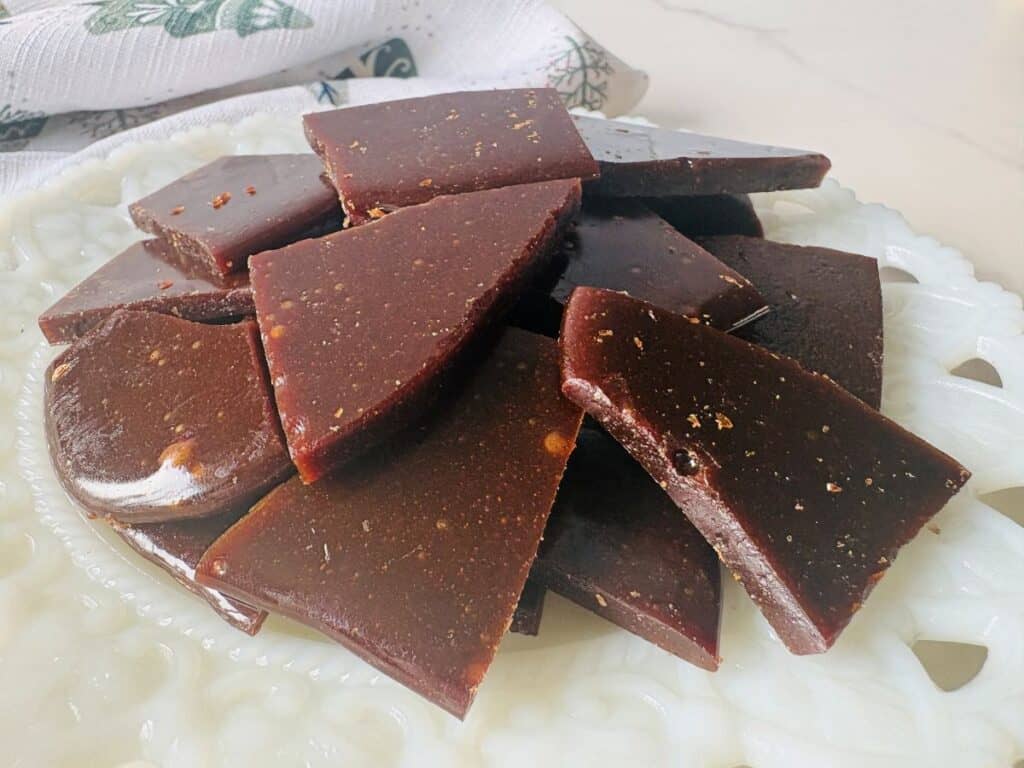
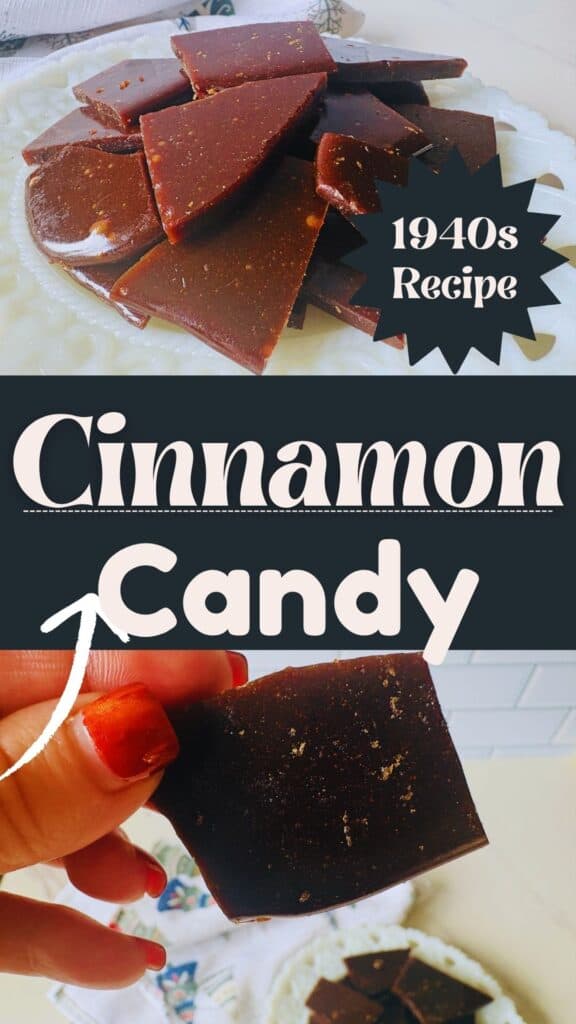
Most of us grew up on the bright red, fiery kind of cinnamon candy, like Red Hots, which first showed up in the 1930s and gets its kick from cinnamon oil and red food coloring. Grandma’s version comes from a different kitchen tradition, back when sugar was rationed during World War II and home cooks stretched what they had with corn syrup and plain pantry spices. That means this candy is dark brown, mild, and buttery with a warm brown sugar finish, so think Werther’s with a hint of cinnamon instead of a mouthful of fire!
Quick Facts
- What it is: An old-fashioned homemade cinnamon candy from my grandma’s 1940s cookbook. It’s cooked on the stovetop, poured onto a pan, and broken into pieces.
- What it tastes like: Mild and buttery with a warm brown sugar finish. It’s nothing like Red Hots, so don’t expect a spicy kick!
- Color: Dark brown, because there’s no food coloring or cinnamon oil. Just plain ground cinnamon.
- Ingredients: Only 5! Brown sugar, butter, corn syrup, ground cinnamon, and water.
- Time: 5 minutes of prep and about 30 minutes on the stove, plus about 30 minutes to cool.
- Candy temperature: 275 to 280°F, which is the soft-crack stage. A candy thermometer makes this so easy.
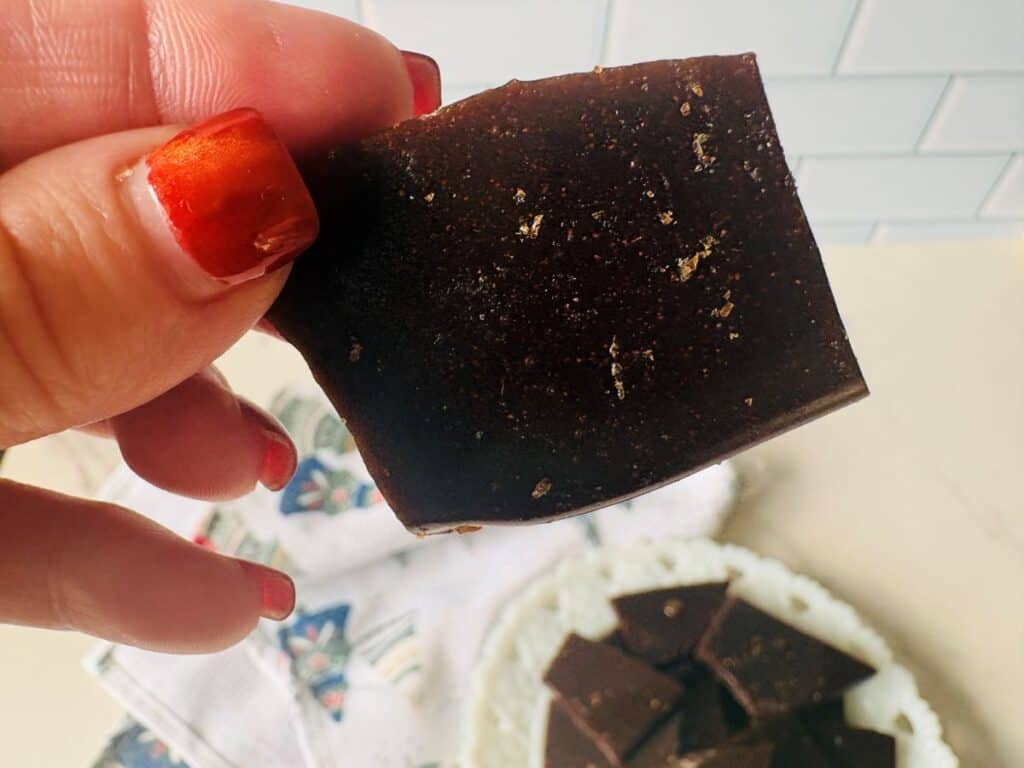
- Texture: Firm and crunchy with a tiny bit of chew from the butter.
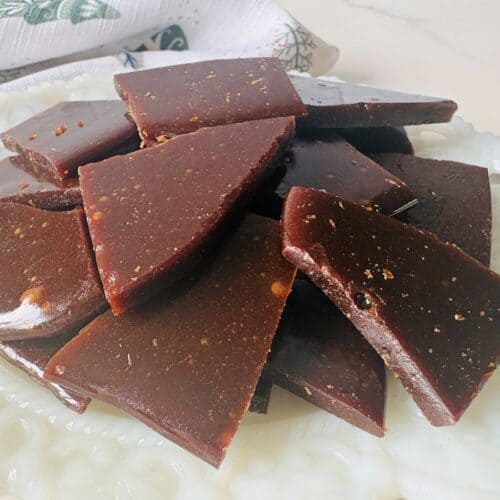
- Makes: About 20 pieces, depending on how big you break them.
- Skill level: Medium. Working with a candy thermometer can be tricky if it’s your first time.
- Equipment: A medium saucepan, a wooden spoon, a candy thermometer, and a greased cookie sheet.
- Storage: Keep it in an airtight container at room temperature with parchment between the layers. Humidity makes it sticky, so keep it sealed tight.
- Best for: Christmas cookie tins, stocking stuffers, cookie exchanges, and anyone who loved digging through Grandma’s candy dish.
What Each Ingredient Does
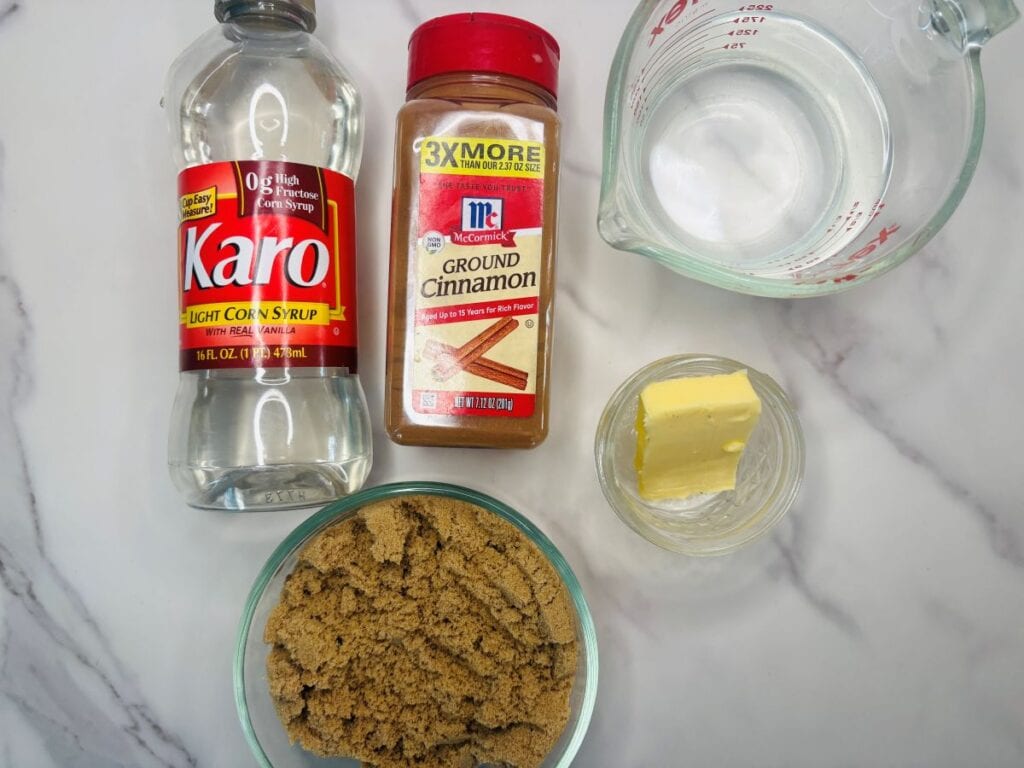
This recipe only uses 5 ingredients, so each one has a real job. Here’s what each one does and what you can swap if you need to.
- Brown sugar: This is the base of the candy and gives it sweetness, structure, and that dark color. The molasses in brown sugar is where the warm, butterscotch-like flavor comes from. I use light brown sugar, but dark brown sugar works too if you want a deeper molasses taste. (Out of brown sugar? Here’s my Brown Sugar Substitutes guide.)
- Butter: Butter makes the candy rich and gives it that buttery Werther’s feel. It also softens the texture just a little, so the pieces have a tiny bit of chew instead of being glassy. Use salted or unsalted, whichever you have. And yes, all 2 tablespoons go into the pan! Grease the cookie sheet with extra butter.
- Corn syrup: This is the secret to smooth candy. Corn syrup keeps the sugar from forming crystals while it cooks, which is what makes homemade candy turn grainy. Light corn syrup is what I use, and it won’t change the flavor. (Need a swap? Check out my corn syrup substitute post.)
- Ground cinnamon: Cinnamon is the star, but in this vintage recipe it’s plain ground cinnamon, not cinnamon oil. That’s why the flavor is mild and warm instead of spicy like Red Hots. The ground cinnamon doesn’t dissolve, so you might see a few specks, and that’s totally normal. Fresh cinnamon makes a big difference, so if yours has been in the cupboard since the last Christmas tins, it’s time for a new jar! (Learn more in All About Cinnamon.)
- Water: Water helps the brown sugar dissolve so everything heats evenly and doesn’t scorch on the bottom of the pan. It cooks off as the mixture boils, and that’s how the candy reaches 275 to 280°F. Plain tap water works just fine.
Tips for Success
Candy making sounds scary, but it’s mostly about getting ready ahead of time and watching the thermometer. These are the tips I wish I’d known before my first batch!
- Test your candy thermometer first. Clip it into a pot of boiling water. It should read 212°F at sea level. If it reads a few degrees off, adjust your target temperature by that same amount. At higher elevations, water boils at a lower temperature, so subtract about 1°F for every 500 feet above sea level.
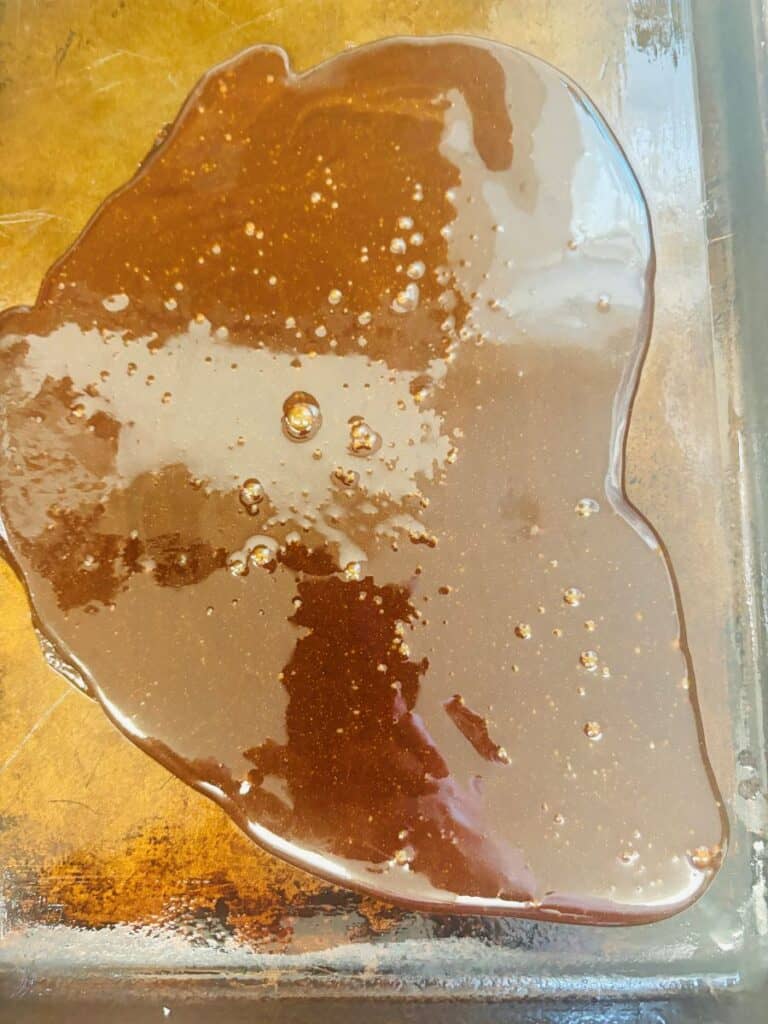
- Get your pan ready before you start. Grease your cookie sheet with butter or line it with parchment before you turn on the stove. Once the candy hits 275 to 280°F, you need to pour it right away. There’s no time to hunt for a pan!
- Use a heavy-bottomed saucepan. A thicker pan heats more evenly, so the sugar is less likely to scorch on the bottom. A medium size gives the mixture room to bubble up without boiling over.
- Keep the thermometer in the candy, not on the pan. The tip should sit in the bubbling mixture without touching the bottom of the pot. If it touches the bottom, you’ll get a reading that’s too hot and take the candy off the stove too soon.
- Stir the whole time. Grandma’s recipe says to stir constantly, and it’s good advice with butter and cinnamon in the pot. Stirring keeps the cinnamon from settling and burning on the bottom.
- Brush down the sides of the pot. If you see sugar crystals forming on the sides, brush them down with a pastry brush dipped in water. Stray crystals can fall back in and make the whole batch grainy.
- Don’t scrape the pot when you pour. Pour the candy onto the sheet and leave the last bit in the pan. The sugar stuck to the sides is the most likely to be grainy.
- No candy thermometer? Try the cold water test. Drop a little of the hot mixture into a glass of very cold water. At the soft-crack stage, it forms threads that are firm but still bend a little before they break.
- Make it on a dry day. Humidity is candy’s worst enemy and can leave it sticky. Save your candy making for a dry day, and store the pieces in an airtight container right away.
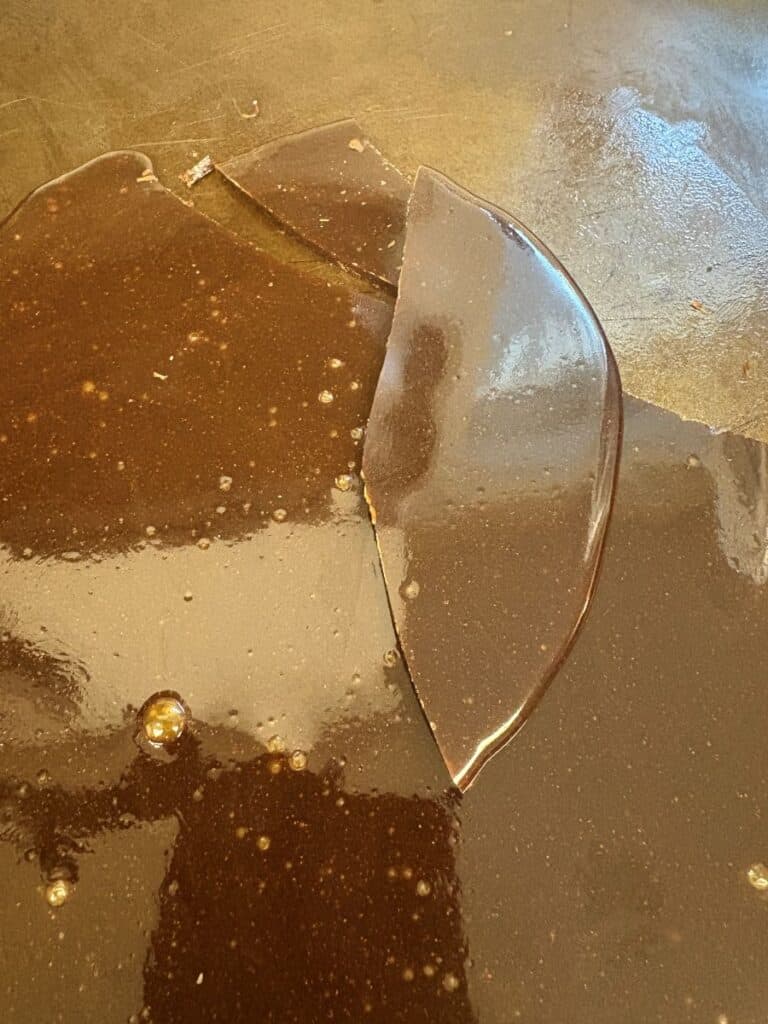
- Break it two ways. For neater pieces, score the candy with a buttered knife while it’s still warm. For a rustic look, let it cool all the way, put it in a zip-top bag, and tap it with a rolling pin. My kids love doing this part!
- Be careful with hot sugar. Candy at 280°F can cause serious burns, so keep little ones back while you’re cooking and pouring. Let them help with breaking it into pieces once it’s cool.
- Clean up the easy way. Fill the pot with water and bring it to a boil. The hardened candy melts right off.

Why You’ll Love Cinnamon Candy
- It only takes 5 ingredients. Brown sugar, butter, corn syrup, cinnamon, and water. You probably have all of them in your pantry right now!
- It’s ready in about 35 minutes. Mix it, boil it, pour it, and break it. There’s no pulling, shaping, or rolling.
- The flavor is mild and cozy. It isn’t spicy or bright red like store-bought cinnamon candy. Think buttery brown sugar with a gentle hint of cinnamon, like Werther’s.
- There’s no food coloring or artificial flavoring. The dark brown color comes from the brown sugar and real ground cinnamon. You know exactly what’s in it!
- It’s a real piece of history. This recipe comes straight from my grandma’s 1940s cookbook. Making it feels like having her in the kitchen with me.
- It makes holiday gifting easy. A batch fills Christmas cookie tins, stocking stuffers, and cookie exchange plates. It’s a nice change from all the cookies and fudge.
- It’s no-bake. Everything happens on the stovetop, so your oven stays free for holiday baking. That’s a big win in December!
Substitutions and Variations
Grandma’s recipe is perfect as is, but candy is fun to play with! Here are some swaps and twists that work with this old-fashioned cinnamon candy.
Substitutions
- Dark brown sugar: Use dark brown sugar instead of light for a deeper molasses flavor and an even darker color. It’s my favorite swap if you love the butterscotch side of this candy.
- Golden syrup: Out of corn syrup? Golden syrup, like Lyle’s, is the closest swap and still helps keep the candy smooth. It adds a light caramel flavor that goes great with the brown sugar. (See my corn syrup substitute guide for more options.)
- A different cinnamon: Ceylon cinnamon is softer and a little floral. Saigon cinnamon is bold and sweet. Use Saigon if you want more cinnamon flavor without adding any heat. (Find more swaps in my cinnamon substitutes post.)
Variations
- Make it spicy like Red Hots: Stir in ¼ to ½ teaspoon of cinnamon oil right after you take the pan off the heat. Cinnamon oil is very strong, so open a window and keep your face back while you stir!
- Add a flavor extract: A teaspoon of vanilla, almond, or orange extract is so good with the brown sugar. Add it after you take the pan off the heat, or the flavor will cook right off.
- Give it a little kick: Add a pinch of cayenne pepper with the cinnamon for a slow, warm heat. It’s a fun surprise in a holiday tin!
- Cinnamon pecan candy: Stir in ½ cup of chopped pecans or walnuts right before pouring. It turns into something like a cinnamon brittle. (If you love that, try my peanut brittle next!)
- Sweet and salty: Sprinkle flaky sea salt over the candy right after you pour it. The salt makes the buttery brown sugar flavor really stand out.
- Cinnamon candy lollipops: Pour the hot mixture into lollipop molds with sticks. Cook it to 300°F, the hard-crack stage, so the lollipops hold their shape.
- Crushed candy topping: Crush a few pieces and sprinkle them over vanilla ice cream, apple crisp, or the top of frosted cupcakes. It adds crunch and a little cinnamon sweetness.
Storage Tips
The short answer: keep homemade cinnamon candy in an airtight container at room temperature. It will stay fresh for about 2 weeks. Moisture is the big thing to watch out for, so here’s how to keep it crunchy.
Keep it airtight. Store the candy in a container with a tight lid or a zip-top bag with the air pressed out. Air brings humidity, and humidity turns candy sticky fast.
Layer it with parchment. Put a sheet of parchment or wax paper between each layer so the pieces don’t stick together. This is a lifesaver if you’re making a big batch for gifts.
Dust it to stop sticking. Toss the pieces in a light coating of powdered sugar or cornstarch before storing. Shake off the extra, and they’ll stay separate.
Skip the fridge. The fridge seems like a good idea, but it’s humid in there. When the candy comes back to room temperature, condensation forms and makes it tacky.
Freeze it for longer storage. Want to make it ahead? Freeze the candy in an airtight container for up to 2 months. Let it thaw on the counter with the lid still on, so condensation forms on the outside of the container, not on the candy.
Keep it away from heat. Store it in a cool spot away from the stove, dishwasher, and sunny windows. Warm candy gets soft and sticky.
Pack gift tins the smart way. Wrap the candy in cellophane bags or wax paper before tucking it into a Christmas tin. Keep it separate from soft cookies and fudge, since their moisture will make the candy sticky.
Make it up to 2 weeks ahead. That makes it perfect for holiday gifting! Make it early, store it well, and you’ll have one less thing to do in December.
If it gets sticky: Toss the pieces in a little powdered sugar and move them to a fresh, dry container. It won’t fix candy that’s melted together, but it helps a lot with tacky pieces.
Frequently Asked Questions
What is old-fashioned cinnamon candy made of? Old-fashioned cinnamon candy is made with brown sugar, butter, corn syrup, ground cinnamon, and water. That’s it, just 5 ingredients! This version comes from my grandma’s 1940s cookbook and doesn’t use any food coloring or cinnamon oil.
Why isn’t this cinnamon candy red? This candy is dark brown because it uses brown sugar and plain ground cinnamon instead of red food coloring and cinnamon oil. Bright red cinnamon candies like Red Hots came along later and get their color from dye. Grandma’s version tastes mild and buttery, kind of like Werther’s with a hint of cinnamon.
Does the butter go in the candy or on the pan? The 2 tablespoons of butter go right into the saucepan with the other ingredients. Use a little extra butter to grease the cookie sheet. A reader asked me this one, so I wanted to make it super clear!
What temperature do you cook cinnamon candy to? Cook this cinnamon candy to 275 to 280°F, which is the soft-crack stage. That gives you a firm, crunchy candy with a tiny bit of chew from the butter. If you want a harder, glassier candy, take it to 300°F, the hard-crack stage.
Can I make cinnamon candy without a candy thermometer? Yes, you can use the cold water test. Drop a little of the hot mixture into a glass of very cold water. At the soft-crack stage, it forms threads that are firm but still bend a little before they break. A thermometer is much more reliable, though, and it made my first try so easy.
Why is my cinnamon candy sticky? Sticky candy usually means it didn’t get hot enough or it soaked up moisture from the air. Make sure your thermometer reads correctly, cook it all the way to 275°F, and try to make it on a dry day. Store it in an airtight container right away.
Why did my candy turn grainy? Grainy candy happens when sugar crystals form while it cooks. Brush down the sides of the pot with a wet pastry brush, and don’t scrape the pan when you pour. The corn syrup in this recipe helps a lot, so don’t skip it!
Can I use cinnamon oil instead of ground cinnamon? Yes! Stir in ¼ to ½ teaspoon of cinnamon oil after you take the pan off the heat for a spicier, Red Hots-style candy. Cinnamon oil is very strong, so keep your face back and open a window while you stir.
Can I make cinnamon candy without corn syrup? Golden syrup is the best swap and still keeps the candy smooth. Without some kind of syrup, the sugar is much more likely to crystallize and turn grainy. Check out my corn syrup substitute post for more ideas.
How long does homemade cinnamon candy last? Homemade cinnamon candy lasts about 2 weeks in an airtight container at room temperature. You can also freeze it for up to 2 months. Skip the fridge, since the humidity makes it sticky.
Is this cinnamon candy gluten-free? All 5 ingredients are naturally gluten-free. Check your labels, though, especially on cinnamon and brown sugar, if you’re baking for someone with celiac disease.
Is cinnamon candy good for gifting? It’s perfect for gifting! Make it up to 2 weeks ahead and wrap it in cellophane bags before tucking it into Christmas tins or stockings. Keep it separate from soft cookies so it stays crunchy.

What to Serve with Cinnamon Candy
Mix up the textures so every bite is different. Wrap each candy separately so nothing gets sticky.
- Old-Fashioned Fudge for something rich and creamy next to the crunchy candy
- Peanut Brittle, another easy stovetop candy that’s perfect after this one
- Saltine Toffee for a sweet and salty crunch
- Divinity Candy, a light and fluffy vintage classic
- 3-Ingredient Mint Truffles or Pastel Mints for a cool contrast to the warm cinnamon
- Chocolate-covered pretzels, a no-recipe add-in that fills a tin fast
Add It to a Christmas Cookie Tray
Cinnamon and brown sugar are great with spiced and buttery cookies.
- Gingersnaps
- German Pfeffernusse Cookies
- Christmas Snowball Cookies
- Melting Moments
- Gingerbread Biscotti, perfect for dunking
- Need more ideas? Check out my full list of Christmas Cookies!
Pair It With Something Salty
A little salt makes the sweet candy taste even better.
- White Chocolate Christmas Snack Mix
- 1930s Snack Mix
- Spiced Almonds
- Roasted salted cashews or a bowl of buttered popcorn
Sip It With a Cozy Drink
Cinnamon candy and a warm mug on a cold December night? Yes, please!
- Hot chocolate topped with whipped cream
- Hot apple cider with a cinnamon stick
- Eggnog
- A cup of black coffee, since the bitterness balances the brown sugar
Use It as a Topping
Crush a few pieces and sprinkle them over:
- Vanilla ice cream
- Apple Crisp
- Apple Pie, right before serving
- Frosted cupcakes with my Vanilla Buttercream Frosting
Other Recipes You May Enjoy
If you like this Cinnamon Candy Recipe, you might also like my Mint Truffles or my Homemade Peanut Butter Cups. This Red Hot Cinnamon Popcorn is also delicious.
Old-Fashioned Cinnamon Candy

Equipment
Ingredients
- 1 cup brown sugar
- 2 tablespoons butter
- ½ cup corn syrup
- 1 tablespoon cinnamon
- ½ cup water
Instructions
- Grease a cookie sheet with butter. Set aside.
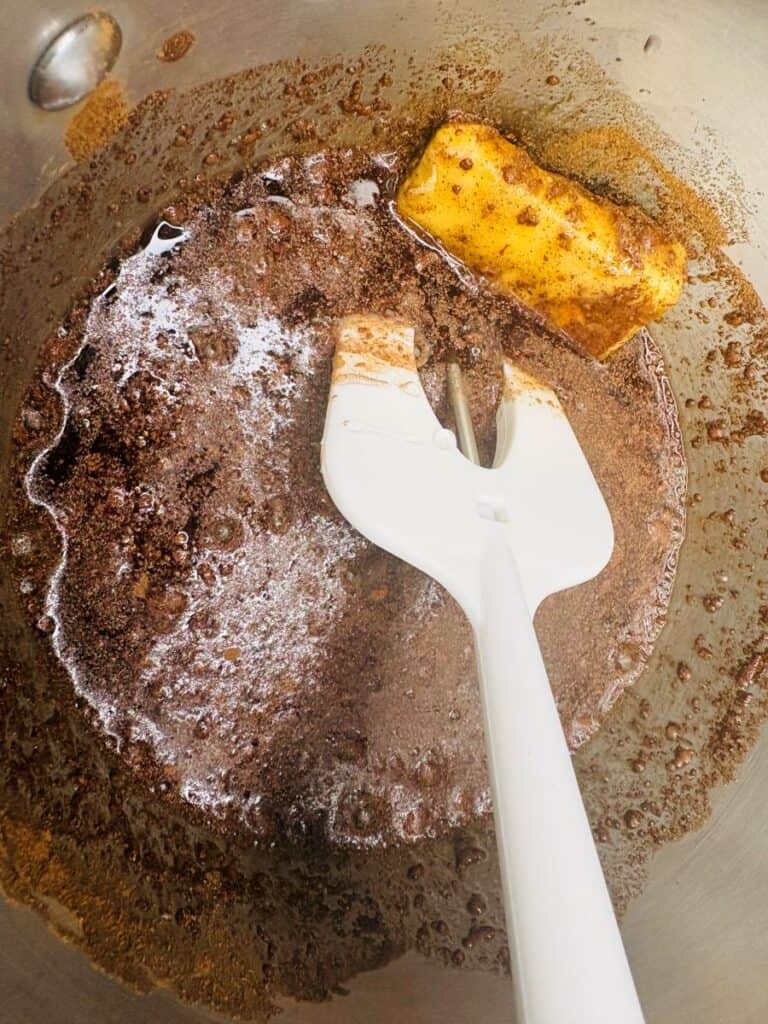
- Place all ingredients in a medium saucepan. Stir to combine.
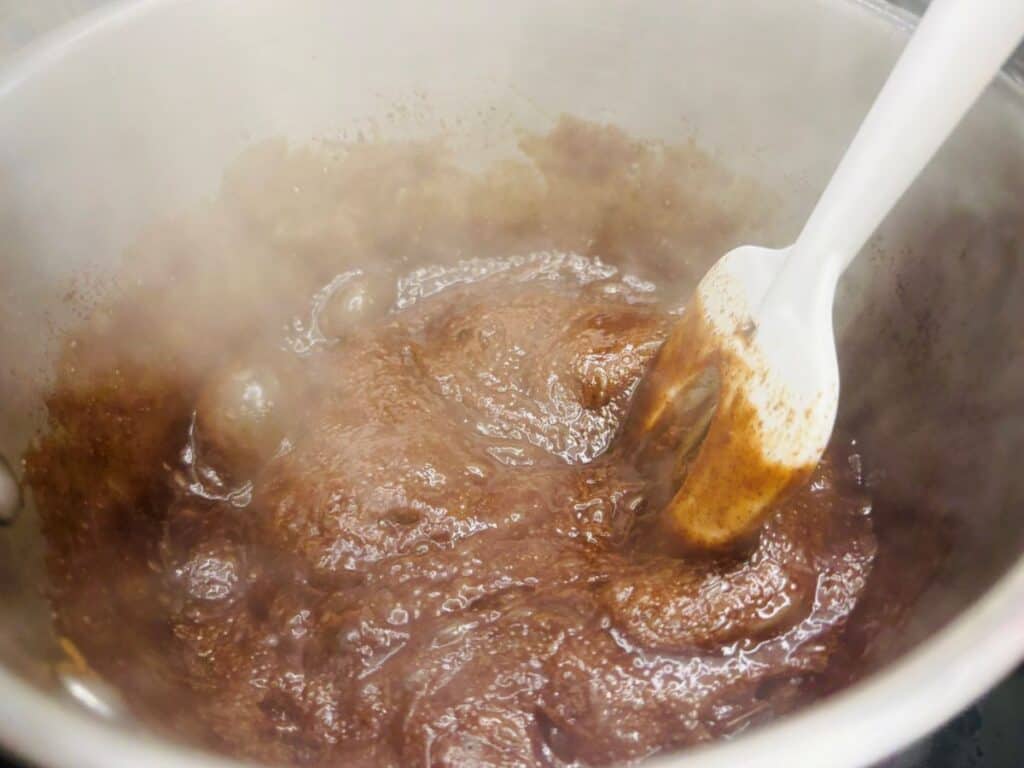
- Boil to 275°-280° F, stirring constantly.
- Immediately pour onto prepared cookie sheet.
- Once cooled, break into small pieces.
Notes
- Test your candy thermometer first. Clip it into a pot of boiling water. It should read 212°F at sea level. If it reads a few degrees off, adjust your target temperature by that same amount. At higher elevations, water boils at a lower temperature, so subtract about 1°F for every 500 feet above sea level.
- Get your pan ready before you start. Grease your cookie sheet with butter or line it with parchment before you turn on the stove. Once the candy hits 275 to 280°F, you need to pour it right away. There’s no time to hunt for a pan!
- Use a heavy-bottomed saucepan. A thicker pan heats more evenly, so the sugar is less likely to scorch on the bottom. A medium size gives the mixture room to bubble up without boiling over.
- Keep the thermometer in the candy, not on the pan. The tip should sit in the bubbling mixture without touching the bottom of the pot. If it touches the bottom, you’ll get a reading that’s too hot and take the candy off the stove too soon.
- Stir the whole time. Grandma’s recipe says to stir constantly, and it’s good advice with butter and cinnamon in the pot. Stirring keeps the cinnamon from settling and burning on the bottom.
- Brush down the sides of the pot. If you see sugar crystals forming on the sides, brush them down with a pastry brush dipped in water. Stray crystals can fall back in and make the whole batch grainy.
- Don’t scrape the pot when you pour. Pour the candy onto the sheet and leave the last bit in the pan. The sugar stuck to the sides is the most likely to be grainy.
- No candy thermometer? Try the cold water test. Drop a little of the hot mixture into a glass of very cold water. At the soft-crack stage, it forms threads that are firm but still bend a little before they break.
- Make it on a dry day. Humidity is candy’s worst enemy and can leave it sticky. Save your candy making for a dry day, and store the pieces in an airtight container right away.
- Break it two ways. For neater pieces, score the candy with a buttered knife while it’s still warm. For a rustic look, let it cool all the way, put it in a zip-top bag, and tap it with a rolling pin. My kids love doing this part!
- Be careful with hot sugar. Candy at 280°F can cause serious burns, so keep little ones back while you’re cooking and pouring. Let them help with breaking it into pieces once it’s cool.
- Clean up the easy way. Fill the pot with water and bring it to a boil. The hardened candy melts right off.
Amazon and the Amazon logo are trademarks of Amazon.com, Inc, or its affiliates.



Making your own sweets and desserts is the best choice so you can control the quality of the ingredients, which a key element to a healthier life. I love cinnamon!
I agree! I like knowing what is in my food!
Thank you for posting the recipe. Is the 2 tablespoon butter used to grease the cookie sheet? Or does the butter go into the pan with the other ingredients?
You’re welcome! Yes, it goes into the pan with the other ingredients. Let me know how it turns out!